Lawn care tips for South East Queensland, season by season
Not sure what your lawn needs at this time of year? Here's the South East Queensland lawn year: when to renovate, how to mow and water through summer, when to feed, and what to leave alone over winter.
A lot of lawn problems in South East Queensland come down to timing. Do a job at the wrong time of year, such as scarifying in winter, feeding a lawn that isn’t growing or mowing short going into summer, and you can set the grass back months. Do the same jobs when the grass is ready for them and the lawn does most of the work itself. If your lawn needs more than a tidy-up, our lawn renovation service is built around the spring work described below.
Start with your grass type
Nearly every home lawn here is a warm-season grass: couch, kikuyu, buffalo (Sir Walter is the best known) or zoysia. They grow hard from spring to early autumn, slow down as the nights cool and go semi-dormant over winter. That growth pattern drives the whole lawn care calendar.
Each type has habits worth knowing:
- Couch wants full sun, recovers quickly from wear and builds thatch fast.
- Kikuyu is vigorous and tough, creeps into garden beds and also builds thatch.
- Soft-leaf buffalo copes with more shade than couch or kikuyu and likes being mown higher. Some weed products that suit other grasses will damage it, so always check the label.
- Zoysia is dense and slow growing, needs less mowing, and takes longer to fill bare patches.
No lawn grass does well in deep shade. If a patch under a tree keeps thinning out, trimming the canopy to let more light through will do more than any fertiliser.
The year at a glance
| Season | Months | Main jobs |
|---|---|---|
| Spring | September to November | Scarify, core, feed, top dress, patch bare areas |
| Summer | December to February | Mow often, water deeply, watch for pests and disease |
| Autumn | March to May | Last feed, get ahead of winter weeds, ease off mowing |
| Winter | June to August | Mow high and less often, water only in dry spells, plan spring work |
Spring: renovation season
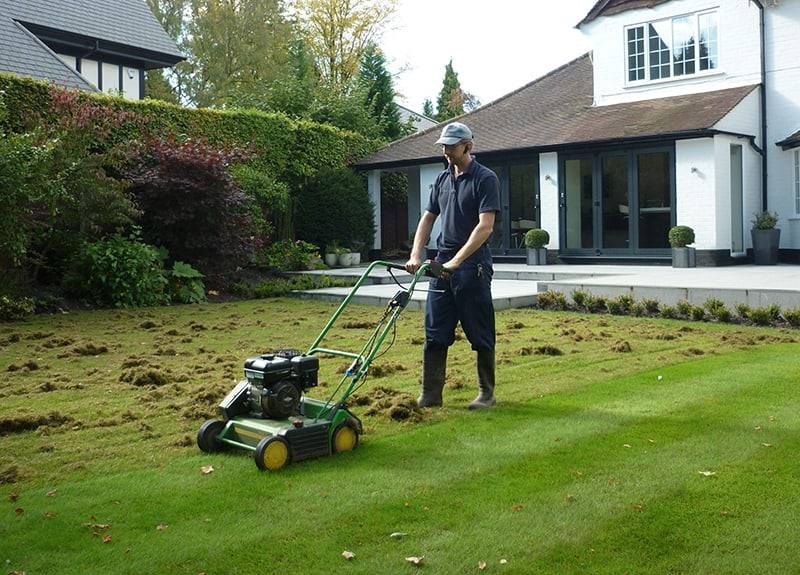
Spring is the season that matters most. The soil warms, the grass starts actively growing, and anything you do now has the whole summer to pay off, which is why it’s the main season for lawn renovation.
The usual order of jobs is:
- Scarify or dethatch if there’s a spongy layer of old runners between the leaf and the soil. It’s worst in couch and kikuyu. Our guide to scarifying and why it’s done explains what’s involved.
- Core aerate compacted soil so water, air and fertiliser can reach the roots. See what core aeration is and how it’s done.
- Feed with a slow-release granular fertiliser straight after coring, so some of it drops down the holes, and water it in.
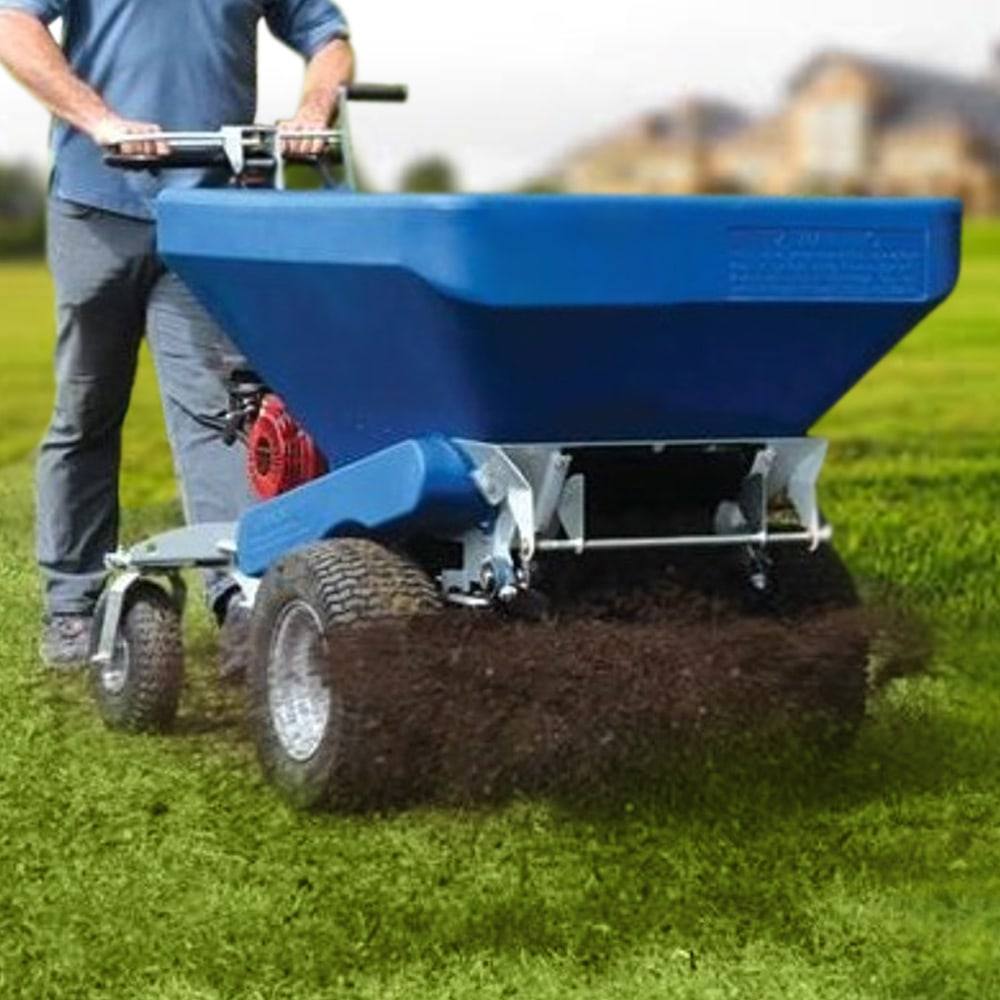
- Top dress to fill the holes and even out dips. Our beginner’s guide to top dressing covers materials and depth.
- Patch or oversow bare areas while the soil is open and warm.
Not every lawn needs every step. A lawn with very little thatch might only need coring and a feed, while a lawn with dips and hollows will get the most from top dressing. Late winter into early spring is also when a pre-emergent weed control usually goes down, ahead of the summer weeds, so plan it around the renovation. Core first so you don’t break up the treated layer, and leave it off any patch you’re about to oversow, because it stops grass seed coming up too.
Summer: keep up with the growth
Summer is when the lawn grows fastest and when the weather is hardest on it, with long hot spells broken by storms that can dump heavy rain in an hour or two.
- Mow often and keep the height up. Take no more than a third of the leaf at a time, which can mean mowing every week at the peak of the season. Our grass maintenance tips give rough mowing heights for each grass type.
- Water deeply, not daily. A good soak early in the morning once or twice a week does more than a sprinkle every evening. There’s more on this in our article on getting the most from watering and feeding.
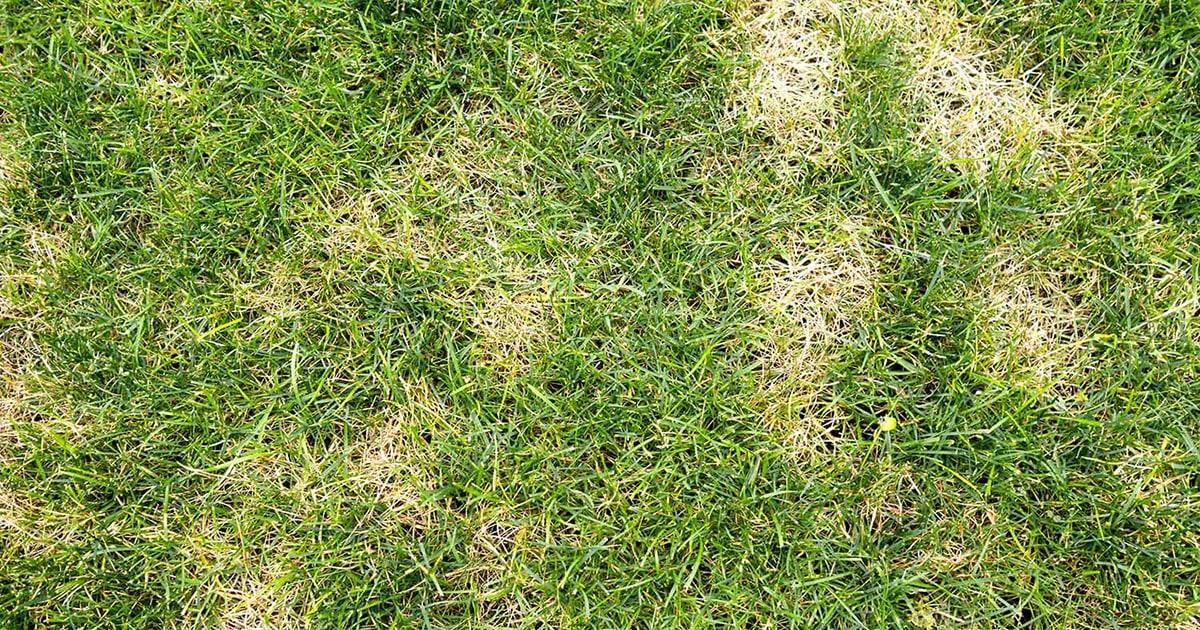
- Watch for pests. Lawn grubs, African black beetle and armyworm do most of their damage from late spring into autumn. Patches that brown off suddenly and peel back like carpet, or birds pecking at the lawn, are warning signs. Here are seven signs your lawn has grubs.
- Look out for fungal disease after long, humid, wet spells. Our guide to lawn fungal diseases covers the common ones and what brings them on.
- Stay off waterlogged ground. Mowing or driving on a soaked lawn leaves ruts and compacts the soil. Give it time to dry out.
Autumn: set the lawn up for winter
As the nights cool from March, growth slows but the lawn is still active, which makes autumn a useful window.
- Give the last feed of the season in early autumn, so the lawn heads into winter with good colour and reserves. Our three tips on lawn fertilisation explain what to look for in a fertiliser.
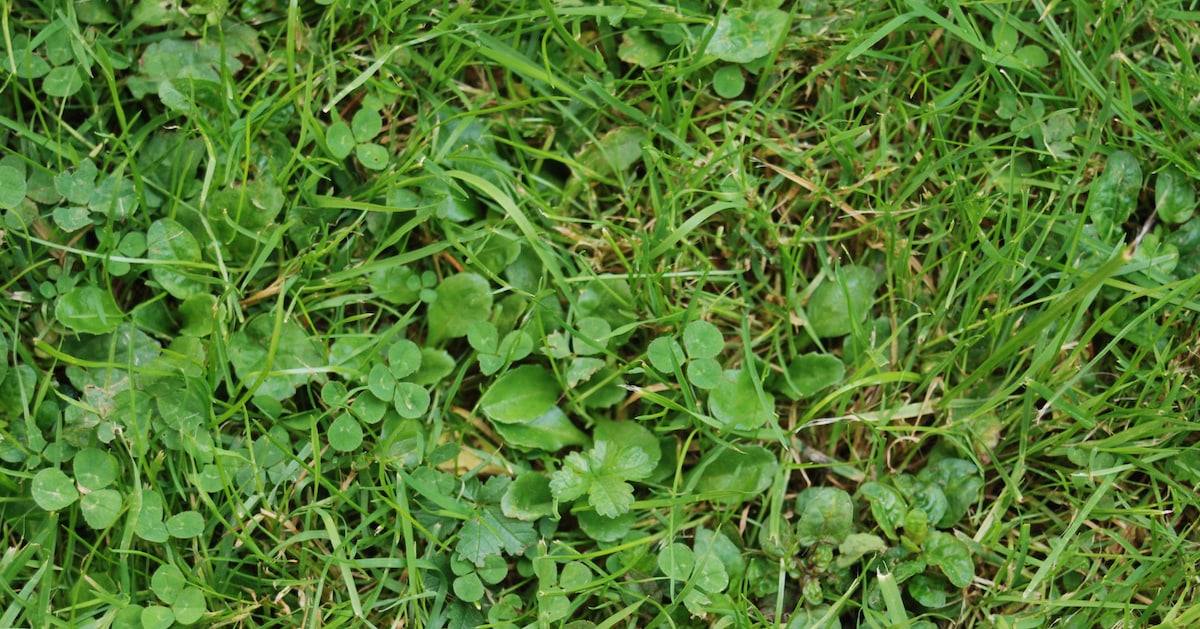
- Get ahead of winter weeds. Bindii, winter grass and clover start germinating as it cools. A pre-emergent goes down in autumn, ahead of germination, and anything that does come up is far easier to spot treat while it’s small. Our tips on getting rid of weeds go into more detail.
- Core busy lawns a second time in late summer or early autumn if they get heavy wear, while there’s still enough growth to recover.
- Raise the mowing height a notch as growth slows.
Winter: rest and plan
Warm-season lawns go semi-dormant over winter, and some couch and kikuyu lawns lose colour, especially in frost-prone areas such as Ipswich. That’s normal, and the colour comes back as the soil warms in spring.
- Mow less often and leave the grass longer. It’s barely growing and needs its leaf to get through.
- Water only when it’s genuinely dry. Winter is usually the driest part of the year here, so a long dry spell can still call for an occasional soak, just far less than in summer.
- Keep off frosted grass until it thaws. In frost-prone spots, walking or mowing on frozen leaf damages it, and the footprints turn brown a day or two later.
- Hold off on renovation. Scarifying, coring or heavy top dressing now leaves the lawn opened up with nothing growing to close it over, and weeds get in first.
- Pull or spot treat winter weeds before they set seed. Bindii is far easier to deal with in July than once the prickles have formed in spring.
- Plan the spring work. Walk the lawn and note where it’s thin, where water sits after rain and where it’s hard underfoot. That list is the start of your renovation plan.
All year: compaction and drainage
Our weather swings between long dry spells and heavy downpours, and compacted lawns struggle with both. When it’s dry, hard ground lets the water run off before it soaks in; after a storm, it’s the part of the yard still wet when the rest has drained. The worst spots are predictable: the track the dog runs along the fence, the shortcut to the clothesline, the side of the house where the boat or caravan lives, and on acreage, the gateways where stock gather. If you can see where water lingers or where the grass thins along a path, that’s where lawn aeration will make the biggest difference. Moving the trailer or changing the path helps too.
When to get someone to look at it
Most of this is straightforward to do yourself. It’s worth getting a second opinion when the lawn keeps going backwards despite regular care, when you can’t tell whether the problem is soil, thatch, pests or shade, or when the job needs machinery you don’t have.
That’s what our free onsite check is for. We come out, look at the grass and the soil, tell you what’s actually going on and lay out the work step by step with a price. Jobs start from $220, and spring to early summer is the best window for lawn renovation in South East Queensland. We cover homes within 100 km of Beenleigh, including Logan, Brisbane Southside, the Gold Coast, Ipswich and the Redlands.