Grass maintenance: 10 tips for a greener lawn in South East Queensland
Lawn thin, patchy or browning off? Ten grass maintenance tips for couch, kikuyu, buffalo and zoysia lawns in South East Queensland, from fixing the soil underneath to the mowing, watering, feeding and weed habits that keep the grass thick.
A green lawn in South East Queensland rarely comes down to one product or one big weekend. It comes from getting a handful of things right, in the right order: the soil underneath, the way you mow, how you water and when you feed. Most of the tips below are jobs you can do yourself. A few are heavier work where the right machine makes the difference: that’s what our renovation crew does, and once a lawn is back on track our lawn maintenance service can keep up the feeding and weed control.
Timing matters as much as technique. Couch, kikuyu, buffalo and zoysia, the grasses most of us have here, slow right down over winter and wake up as the soil warms in spring. Spring to early summer is when a lawn responds fastest to work, so it’s the time to fix problems rather than just cover them up. To plan the whole year, see our season-by-season lawn care guide.
Fix what’s under the grass first
Thin, patchy grass is usually a symptom. The cause is more often in the top 10 centimetres of soil: compaction, a thick mat of thatch, uneven levels or missing nutrients. Sort those out first and everything else you do works harder.
1. Find out what your soil is missing
If one part of the lawn won’t hold grass whatever you do, or you’re feeding regularly with little to show for it, a soil test takes the guesswork out. It shows the pH and the main nutrient levels, so you can correct what’s actually lacking instead of spreading a general fertiliser and hoping. It’s most worthwhile on big lawns, acreage and stubborn problem areas, and it’s routine on sports fields. Our soil testing service explains what a test covers.
2. Clear out the thatch
Thatch is the spongy layer of old runners, stems and dead grass that builds up between the green leaf and the soil. A thin layer is normal and even helpful. Once it builds up past 10 to 15 mm it starts shedding water, holding fertiliser at the surface and giving fungal disease somewhere damp to sit. Couch and kikuyu are the worst for it. Scarifying or dethatching in spring cuts that layer out so new growth, water and air can reach the soil again.
3. Aerate compacted soil
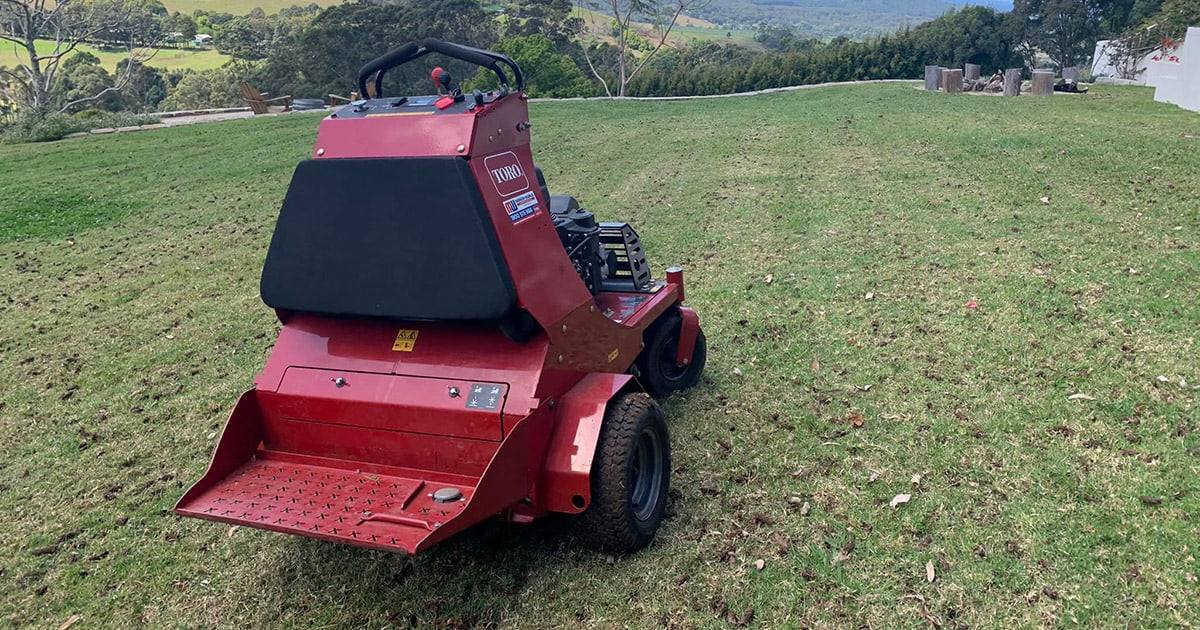
Clay soils are common through Logan, Brisbane’s southside and parts of the Gold Coast, and they pack down hard under feet, pets, cars and trailers. Compacted ground sheds water and keeps roots shallow, which is why those lawns are the first to brown off in a dry spell. Coring lifts out thousands of finger-sized plugs, leaving channels that let water and air back into the root zone and giving the soil around each hole room to loosen. Pushing a garden fork in and rocking it back helps a small patch, but it won’t fix a whole lawn. Our guide to how core aeration works covers the method and the timing.
4. Top dress to level and fill
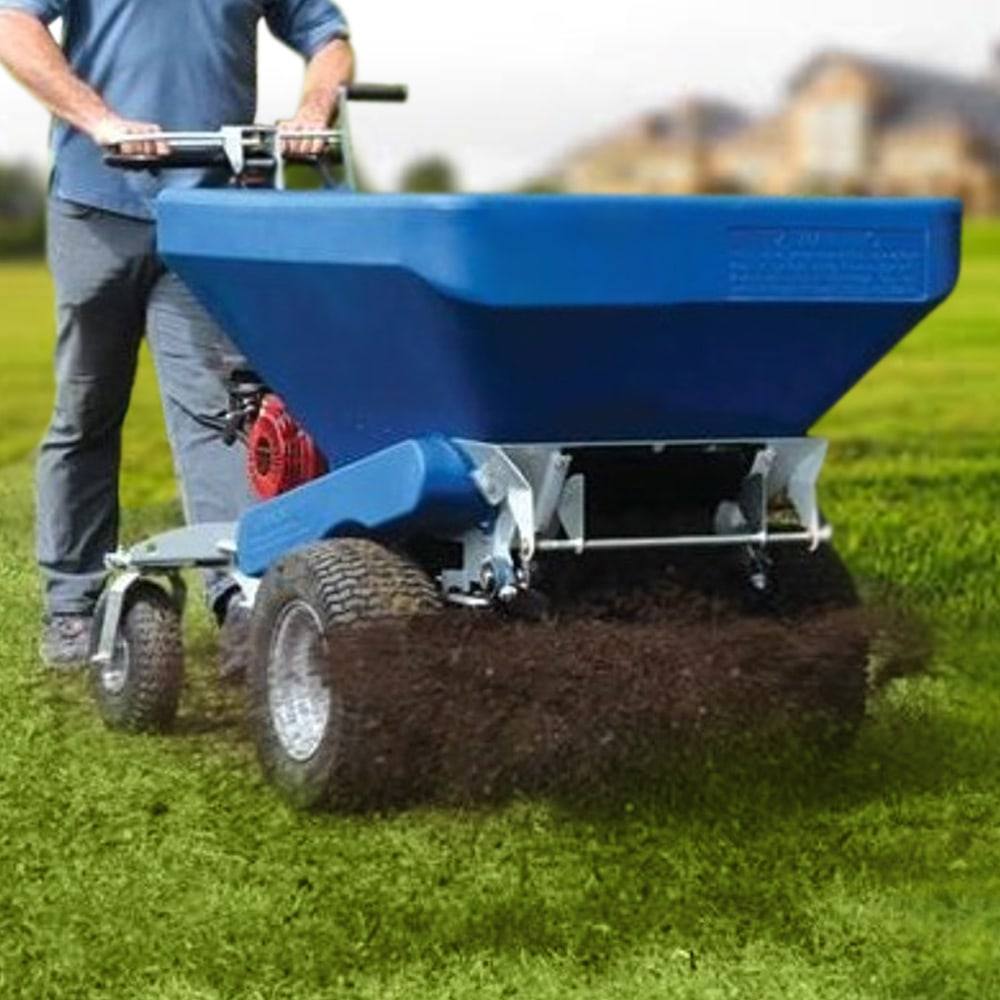
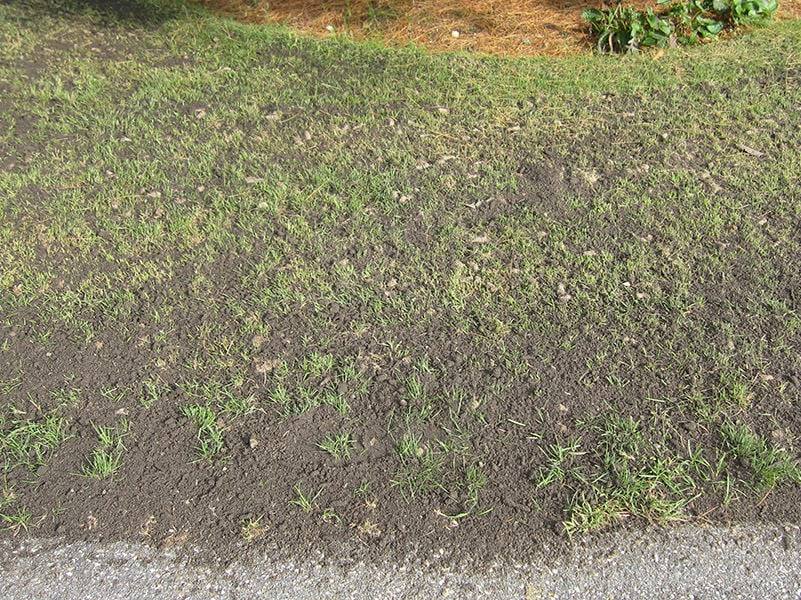
A thin layer of top dressing fills aeration holes, evens out the dips that hold water and gives runners fresh material to grow into. Coarse washed river sand suits couch well. Sandy loam, usually about three parts sand to one part screened organic matter, adds a little more body but can carry weed seeds, so buy it from a supplier you trust. Keep the layer thin enough that the leaf tips still show through, and spread it while the lawn is actively growing so it recovers quickly. If you’re feeding at the same time, spread a granular fertiliser after coring and before the dressing goes on, so it ends up down at the roots. Our beginner’s guide to top dressing goes through materials and depth.
Get the everyday habits right
5. Mow higher, and more often
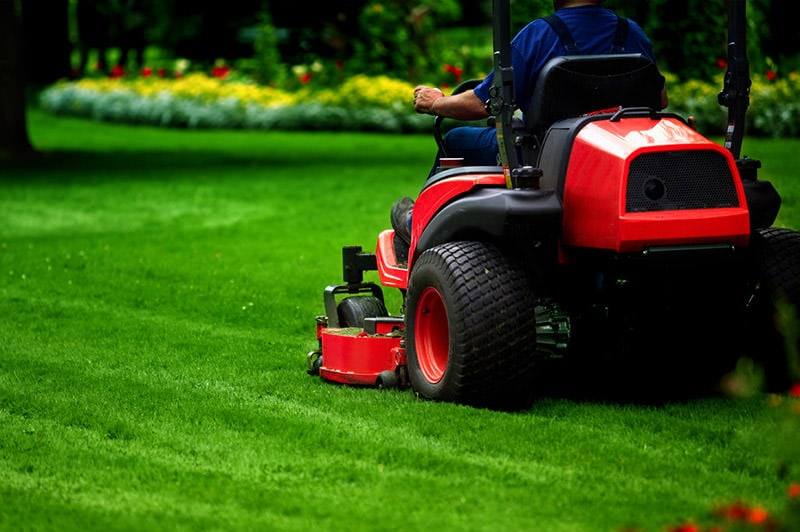
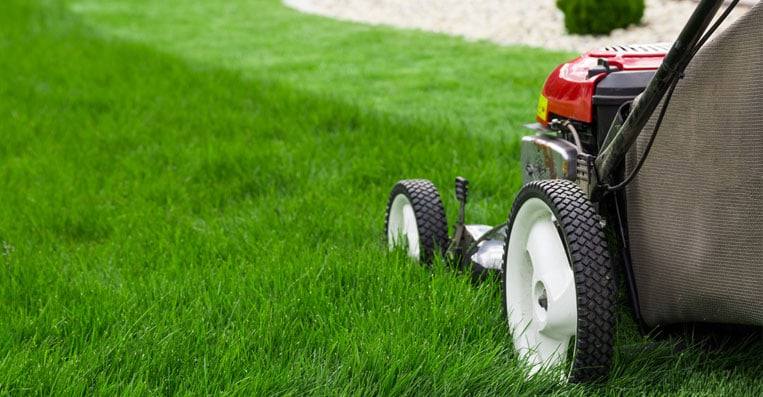
Cutting low might stretch out the time between mows, but the lawn pays for it. Scalped grass has less leaf to feed itself, dries out faster and exposes bare soil for weeds to move into. The rule of thumb is never to take off more than a third of the leaf in one cut, which means mowing more often in summer when growth is fastest. As a rough guide for lawns in South East Queensland:
- Couch: 15 to 25 mm
- Kikuyu: 25 to 40 mm
- Soft-leaf buffalo, such as Sir Walter: 30 to 50 mm
- Zoysia: 20 to 40 mm
Sit at the higher end in shade, in hot dry weather and while the lawn is recovering from winter.
6. Keep blades sharp and mow when it’s dry
A blunt blade tears the leaf instead of cutting it cleanly. The ragged tips turn brown within a day or two and give disease an easy way in. Sharpen or replace your blades at the start of spring, and again mid-season if you mow a lot. Wait until the lawn has dried out after rain, too: wet clippings clump, and a heavy mower or ride-on leaves ruts and compacts the soil you’ve been working to open up.
7. Water deeply, not daily
Light daily sprinkles keep the roots near the surface, where they struggle in the first hot week. A deep soak once or twice a week in warm weather, enough to wet the soil 10 to 15 cm down, trains the roots to go looking for water. Push a screwdriver into the lawn an hour after watering to check how far it has soaked in. Water early in the morning so less is lost to evaporation and the leaf dries off during the day. An irrigation system on a timer, or a soaker hose, makes this much easier to keep up. Check your water provider’s current rules before you set a schedule.
8. Feed through the growing season
A lawn growing hard through spring and summer uses a lot of nutrients. A slow-release lawn fertiliser roughly every 8 to 10 weeks from early spring to early autumn keeps it fed without big flushes of soft growth. Granular and liquid feeds both have their place: granular slow-release lasts longer, while liquid gives a quicker green-up that fades sooner. Water fertiliser in straight away, or time it ahead of light rain rather than a summer storm that will wash it off into the gutter. Don’t feed a lawn that’s drought stressed. If you’d rather hand it over, our lawn fertilising service matches the product and timing to your grass and soil.
Stay ahead of weeds and bare patches
9. Get in early on weeds
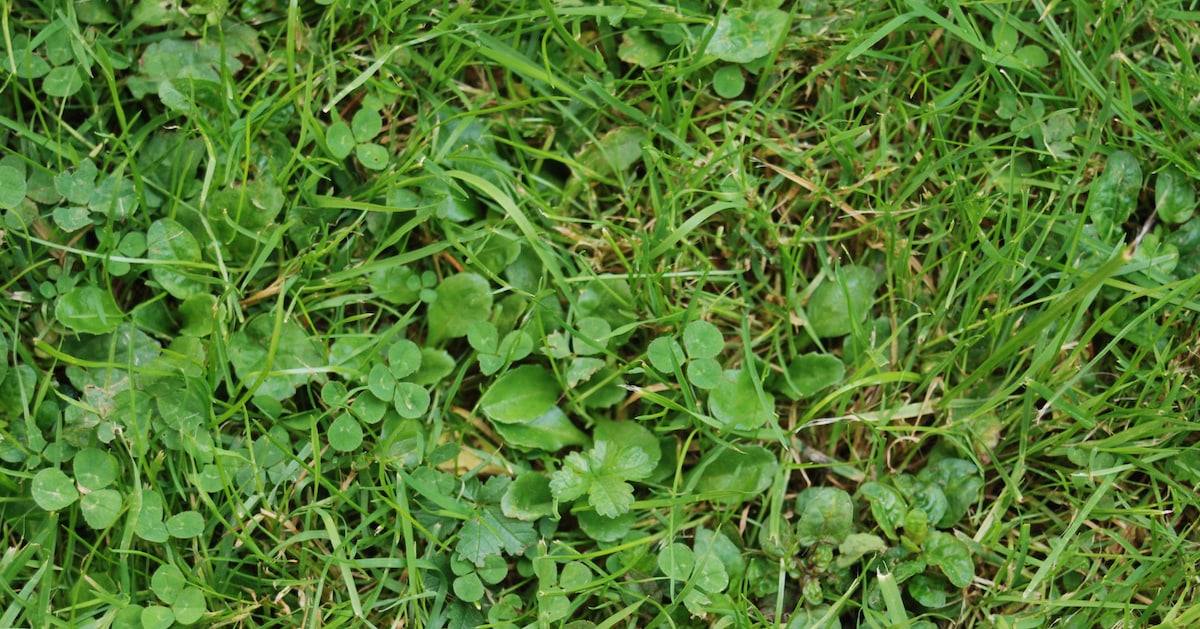
A thick, well-fed lawn is the best defence, because weeds move into thin grass and bare soil first. Pull or spot treat broadleaf weeds while they’re small, before they set seed. A pre-emergent weed control works on seeds as they germinate, so it goes down ahead of the main germination periods: late winter for summer weeds, and autumn for winter weeds such as bindii. Check that any product suits your grass type, because some that are fine on couch will damage buffalo, and always follow the label. Core the lawn before a pre-emergent goes down, not after, so you don’t break up the treated layer. Our tips on getting rid of weeds cover identification and control in more detail.
10. Patch bare areas while the lawn is growing
First work out why the patch died, whether that’s shade, foot traffic, grubs or the dog’s favourite spot, or it will simply go bare again. Then loosen the soil by coring or forking the area, top dress it and feed it so new growth has something to root into. Couch and kikuyu can be oversown with seed. Most soft-leaf buffalo and zoysia lawns are grown from turf rather than seed, so bare spots in those are better filled with a few pieces of turf or runners lifted from elsewhere in the lawn. If a pre-emergent has gone down, check the label before you sow, because it stops grass seed coming up as well as weed seed. Keep new seed or turf moist until it has taken, and keep feet off it.
Where to start, and when to call someone in
If you only do three things this season, mow higher, water deeply and feed on a schedule. They cost very little and make the biggest everyday difference. The heavier jobs (scarifying, coring and top dressing) are where most lawns gain the most ground, but they’re also where hired machines, hard clay and tight side access turn a weekend job into a struggle.
That heavier work is where we come in. Every job starts with a free onsite check: we look at the soil, thatch and drainage, tell you what’s actually holding the lawn back, and lay out the lawn renovation work step by step with a price. Jobs start from $220. Once the lawn has been brought back, our lawn maintenance service can carry on the feeding and weed control if you’d rather not do it yourself. We cover homes within 100 km of Beenleigh, including Logan, Brisbane Southside, the Gold Coast, Ipswich and the Redlands.