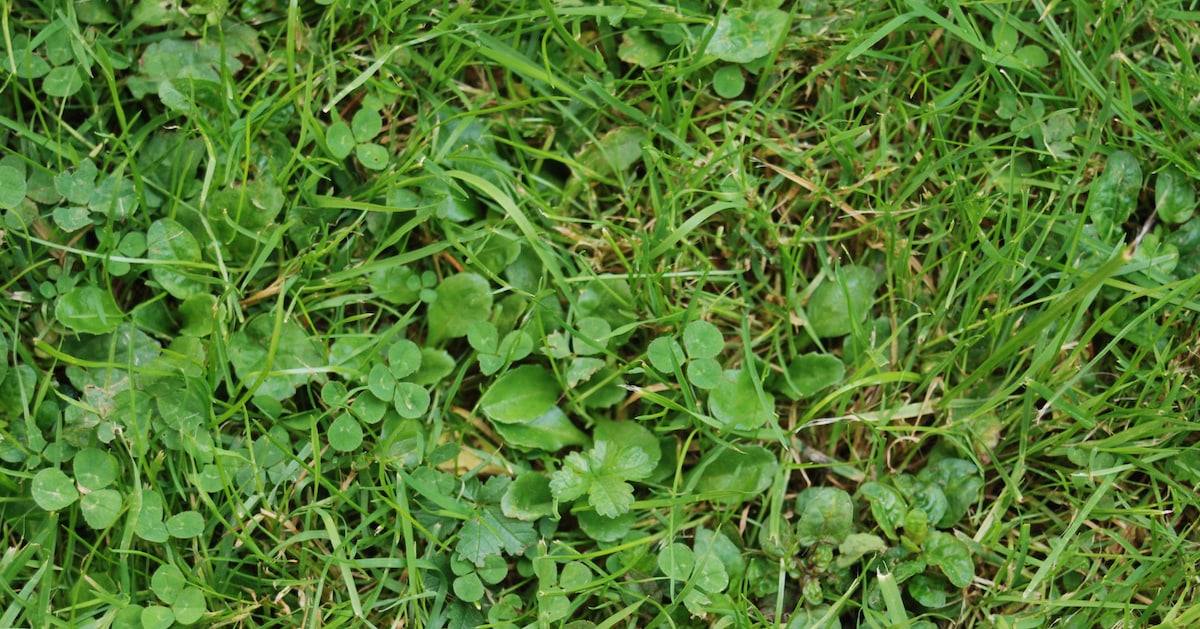
How to make every drop count when you water your lawn
On a lot of lawns, most of the water, and the fertiliser it should carry down, never reaches the roots. Here's how to water deeply and less often, get water through compacted soil and thatch, and keep a South East Queensland lawn green on less.
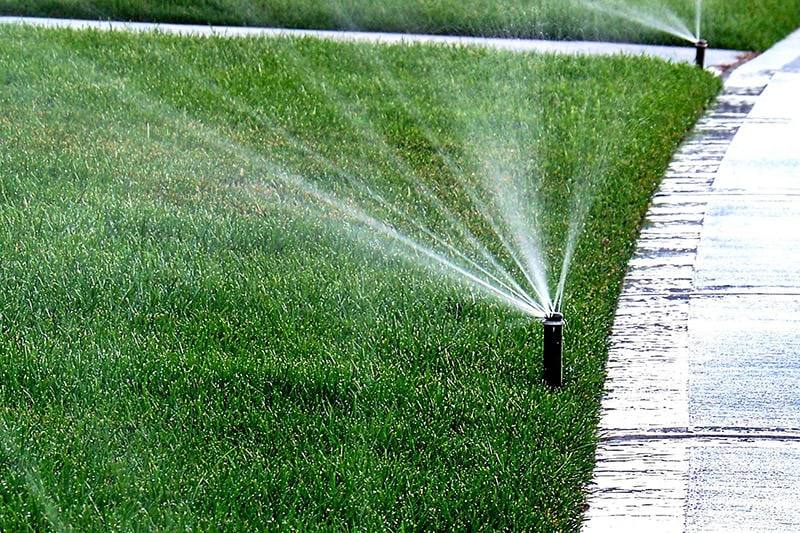
Water isn’t cheap, and when dam levels drop, the rules on using it in South East Queensland can tighten. Yet on a lot of lawns, much of what comes out of the hose or sprinkler never gets near the roots. It runs off hard ground onto the path, soaks into a mat of thatch, or evaporates before it can sink in. Fertiliser has the same problem, because it needs water to carry it down. Making every drop count comes down to two things: watering in a way that trains the roots to grow deep, and making sure the soil can actually take the water in. On compacted ground the second part is a job for lawn aeration. Once water is reaching the roots, each feed from our lawn fertilising service goes much further too.
Where the water goes
When a lawn gets watered but still looks thirsty, the water is usually ending up somewhere other than the root zone.
- Runoff. Compacted clay takes water in slowly. Once the surface is wet, the rest runs off, especially on a slope.
- Thatch. A thick layer of runners and dead material on top of the soil sheds water much like a thatched roof does, and holds the rest near the surface, where it evaporates.
- Water-repellent soil. Sandy soils, mounds and the dry ground under trees can start repelling water after a long dry spell. Water beads on the surface or finds a few channels down and leaves the rest of the soil dry.
- Evaporation and overspray. Watering in the middle of a hot or windy day loses a lot to the air, and sprinklers that reach the path are watering concrete.

Signs your lawn isn’t getting the water you give it
- Water pools or runs onto the path within a few minutes of the sprinkler going on.
- The same dry patches stay brown however much you water.
- A screwdriver pushed in the morning after watering shows that only the top centimetre or two is moist.
- The leaf folds or rolls, turns a dull blue-grey, and footprints stay pressed into the grass.
- Brown, straw-coloured patches appear within a few days of the first heatwave.
Water deeply and less often
Roots grow where the water is. A short sprinkle every evening only wets the top few centimetres, so that’s where the roots stay, and the lawn wilts the first time you miss a day. A deep soak once or twice a week in summer sends water further down, the roots follow it, and the lawn can go much longer between drinks.
A few ways to get it right:
- Aim to wet the top 10 to 15 cm. Set a few straight-sided tins across the lawn, run the sprinkler and time how long it takes to collect about 2 cm. Next morning, push a screwdriver or trowel in to see how far down the soil is moist, and adjust the run time from there.
- Water early in the morning. There’s less wind and evaporation, and the leaf dries off during the day. Watering at night leaves the grass wet for hours, which encourages lawn fungal diseases.
- Soak clay and slopes in stages. Run the sprinkler until water starts to run off, stop for half an hour to let it sink in, then run it again.
- Water the lawn, not the calendar. Skip a session after good rain, and water less in the cooler months when the grass is barely growing.
- Check your sprinklers. Adjust heads that spray the path or the fence, replace broken or blocked ones, and look for dry arcs where the coverage doesn’t overlap.
The exception is a lawn that has just been turfed, renovated or top dressed. It needs light, frequent watering for the first week or two while the new growth gets going. After that, move it onto a deep, less frequent routine.
Keep an eye on water restrictions
South East Queensland has lived through tough water restrictions in past droughts, and limits on when and how you can water a lawn can return when dam levels drop. The rules can differ between council areas, so check the current ones with your local council or water supplier before you set a routine. A lawn that is already used to deep, infrequent watering copes far better when restrictions arrive than one that relies on a daily sprinkle.
Open up compacted soil
Many suburban lawns in the region grow on clay or clay loam, and years of foot traffic, kids, dogs and mowers pack it down until there’s little room left for air and water. That’s when water sits on top or runs off, and roots stay shallow because there’s no oxygen or moisture further down.

Core aeration is the fix. Hollow tines pull out thousands of finger-sized plugs of soil, leaving channels that let water soak straight into the root zone and carry fertiliser down with it. Roots grow down those channels into moist soil, and that depth is what carries a lawn through a dry spell. Once a year in spring suits most lawns, and heavily used ones may need it twice. Our guide to what core aeration is walks through the process step by step.
For backyards we use a Toro stand-on aerator that fits through most side gates, and tractor-mounted gear on acreage.
Clear out thick thatch
A little thatch is normal and helps protect the soil. More than about a centimetre starts to work against you, holding water near the surface and keeping it out of the soil. Couch and kikuyu are the usual culprits because they spread by runners that build up layer on layer.
Dethatching and scarifying cuts that layer out. The lawn looks rough for a few weeks afterwards, but in the growing season new shoots come through within a week or two. Coring straight after lets water and air into soil that may have been sealed off for years.
Wetting agents for water-repellent soil
If water beads on the surface, or certain patches stay dry no matter how long the sprinkler runs, the soil may have become water-repellent. It’s most common in sandy soils, on mounds and under trees, and after a long dry spell.
Wetting agents, also called soil wetters or surfactants, are made to help water spread into that soil instead of sitting on it. They come as granules or as liquids applied through a hose-end bottle. A few general rules:
- Apply them in late winter or spring, before the hot weather, and water them in well.
- Expect to reapply, because the effect wears off over time. Follow the label for rates and timing.
- They help water get in, but they don’t fix compaction or thatch. On a hard or thatchy lawn they work best after aeration and dethatching, not instead of them.
Feeding and watering go together
Fertiliser needs water to dissolve and reach the roots, and the lawn needs a healthy root system to make use of either. A few habits make each feed go further:
- Spread fertiliser onto moist soil and water it in, rather than feeding a lawn that is already wilting.
- Feed straight after coring, so the granules drop down the holes close to the roots.
- Go easy on fast-release nitrogen in a hot, dry summer. It pushes soft, thirsty growth that needs more water, not less.
- Mow a little higher through summer. Longer leaf shades the soil, keeps it cooler and supports deeper roots.
Our guide to lawn fertilisation covers what to feed and when.
Where to start
If you’ve changed the way you water and the lawn still won’t hold moisture or colour, the soil is usually the problem: packed too hard for water to get in, sealed under thatch, or short of what the grass needs to grow. We look after homes up to 100 km from Beenleigh, and our lawn fertilising service can be paired with core aeration on the same visit when the soil needs opening up first. Every job starts with a free onsite check: we see how far water is getting into your soil, look at the thatch and the grass, and tell you plainly what it needs and what it will cost.