How to get rid of weeds in your lawn: tips for South East Queensland
Weeds move into lawns wherever the grass is thin, stressed or patchy. Here's how to work out which weeds you've got, the best ways to remove them, when to treat them in South East Queensland, and how to make your lawn harder for them to get back into.
Every lawn gets weeds sooner or later. Seed blows in from next door, rides in on mower wheels and in bird droppings, and can sit in the soil for years waiting for a gap. The weeds that take hold are a symptom as much as a problem, because they move in wherever the grass is thin, compacted, waterlogged or hungry. So getting rid of weeds in your lawn is really two jobs: deal with the weeds that are there now, then fix whatever let them in. That’s how our lawn weed control service works, and you can follow the same steps yourself.
Work out which weeds you have
Identifying the weed is the step most people skip, and it’s the one that decides what will work. Lawn weeds fall into three groups.
Broadleaf weeds
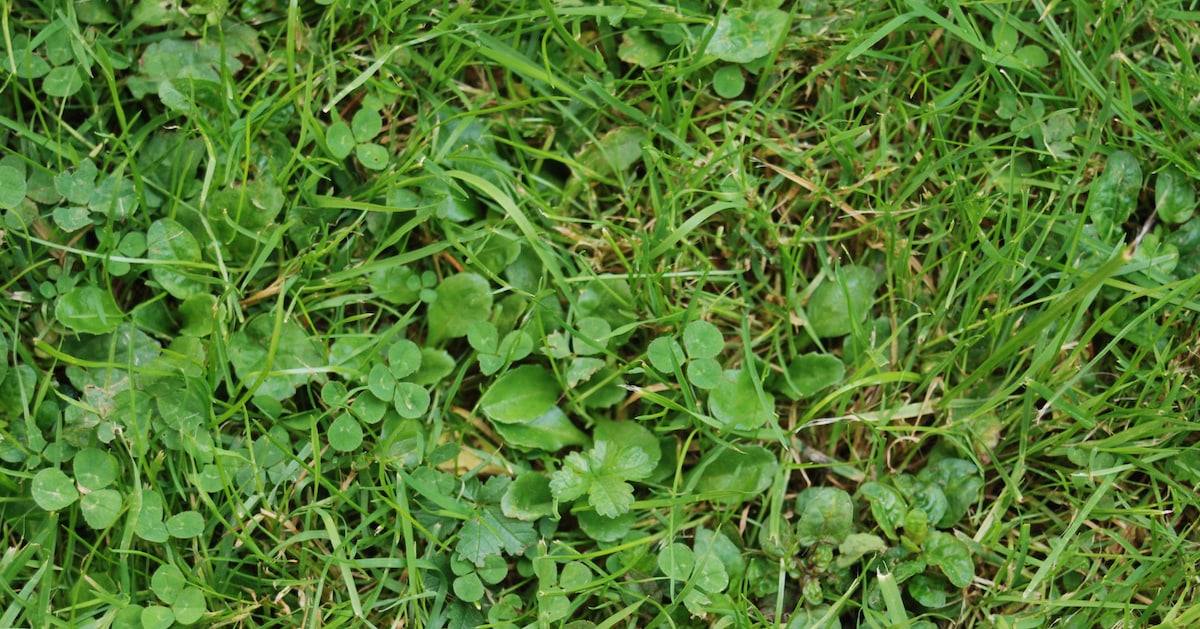
Wide, flat leaves that look nothing like grass. Common ones in South East Queensland lawns include bindii, white clover, creeping oxalis, cudweed, flatweed, dandelion and thistles. Most are easy to spot, many can be dug out by hand, and the rest are usually treated with a selective broadleaf herbicide that suits your grass type.
Grassy weeds
These are grasses, just not the one you planted, which makes them the hardest to see and to treat. Crowsfoot, summer grass, winter grass and paspalum are the usual suspects. Look for a different shade of green, a coarser or clumping habit, or seed heads that shoot up a day or two after mowing.
Sedges
Grass-like plants with glossy leaves and solid, triangular stems you can feel when you roll one between your fingers. Nutgrass and Mullumbimby couch are the two you’ll see most. Despite its name, Mullumbimby couch is a sedge, not a couch grass. Sedges love damp soil and spread from underground runners and small tubers, so they need their own approach.
If you can’t tell what you’re looking at, dig one up with its roots intact and take a photo next to your grass. Getting this right saves buying a product that doesn’t touch the weed, or worse, damages your lawn.
Getting rid of the weeds you have now
Hand weeding
For a small lawn with a handful of weeds, pulling them out is cheap and effective. Do it after rain or a good watering, when the soil is soft, and use a weeding tool to get the whole taproot on weeds like dandelion and flatweed. Bag any plants that are carrying seed rather than leaving them on the lawn. The exception is nutgrass: pulling it snaps the stem and leaves the nuts in the ground to reshoot.
Selective herbicides
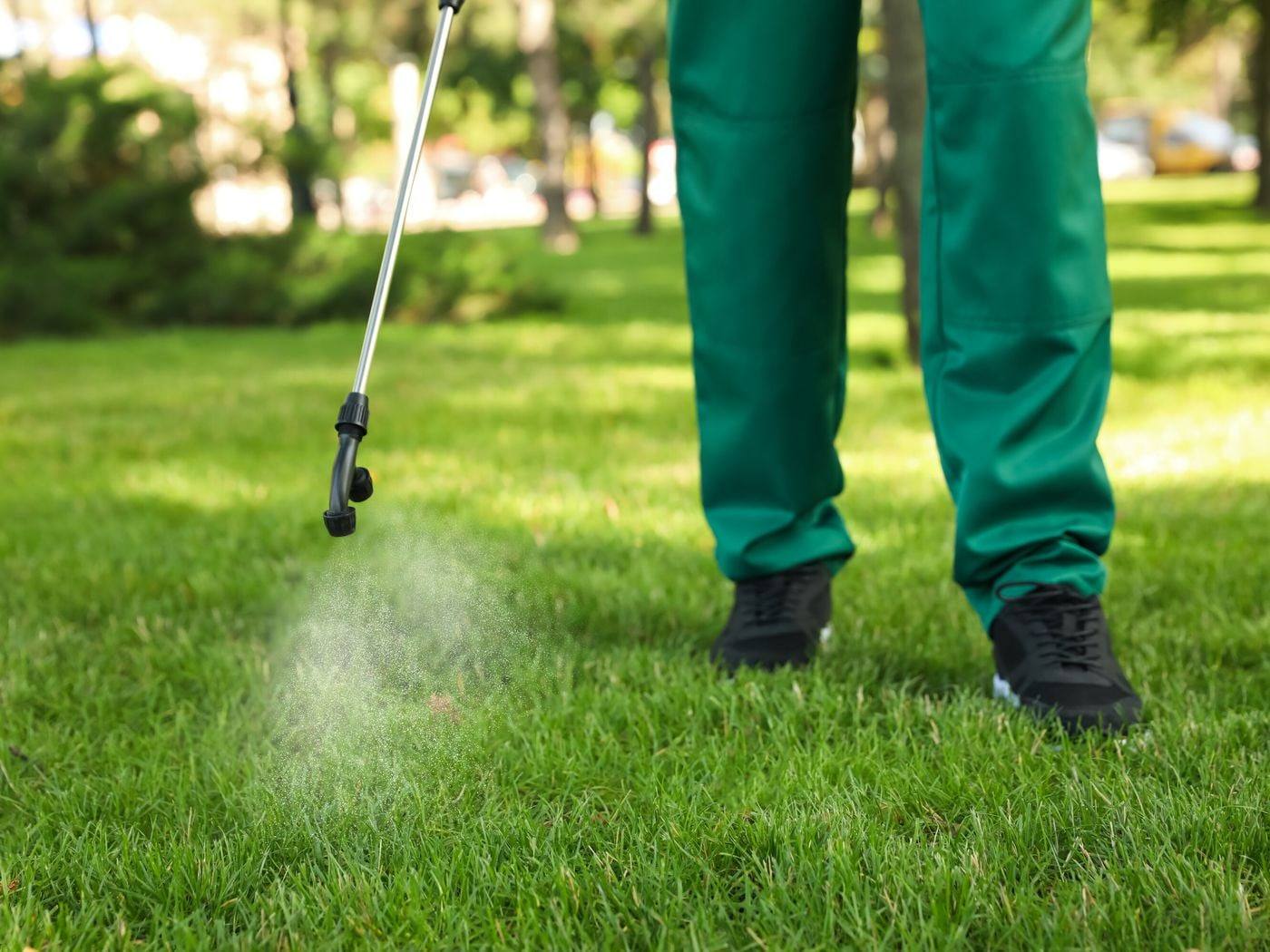
Once weeds are spread through the lawn, a selective herbicide is usually the practical option. Selective means it targets certain weeds and leaves the grass alone, but only if the product suits both the weed and your grass type. Some products that are fine on couch will damage buffalo, so check the label lists your grass before you buy.
A few habits make a big difference to the result:
- spray weeds while they’re actively growing, not when the lawn is stressed by heat or drought
- spot spray the patches where you can, rather than blanket spraying the whole lawn
- avoid spraying just before rain or on windy days
- keep kids and pets off until the spray has dried, and follow the label for anything longer
- expect stubborn weeds like nutgrass and oxalis to need more than one round
Pre-emergent treatments
A pre-emergent goes on before weed seed germinates and is designed to stop seedlings establishing for a period. It does nothing to weeds that are already up, so timing is everything. If you’re planning to aerate, do it first: coring through a fresh pre-emergent breaks up the treated layer.
When the lawn is more weed than grass
If weeds have taken over most of the lawn, spraying the same patches every year rarely gets you far. A lawn renovation that relieves compaction, levels the surface and thickens the grass, or in some cases re-turfing, can be better value in the long run.
When to treat weeds in South East Queensland
Most lawn weeds here follow the seasons, so a little planning goes a long way.
| Season | What to do |
|---|---|
| Autumn (March to May) | Pre-emergent for bindii and winter grass. Treat broadleaf weeds while they’re young and easy to control. |
| Winter (June and July) | Spray bindii before it sets its prickly seed. Hand-pull winter grass before it seeds. |
| Late winter to early spring (August and September) | Pre-emergent for summer grass and crowsfoot, before the soil warms up. |
| Late spring and summer (October to February) | Treat nutgrass and other summer weeds while they’re growing strongly. Feed the lawn and fill bare patches so the grass gets ahead. |
How to stop weeds coming back
A thick, healthy lawn is your best defence, because it leaves seed nowhere to land and germinate. These habits make the biggest difference:
- Mow a little higher. Taller grass shades the soil and slows weed seedlings down. Keep the blades sharp, and use the catcher while weeds are seeding so you aren’t spreading seed around. Our grass maintenance tips cover mowing heights for the common grasses.
- Water deeply and less often. Frequent light watering favours shallow-rooted weeds, while spots that stay wet suit nutgrass. Fix drainage problems and leaking irrigation.
- Feed the grass. Clover spreading through a lawn is often a sign it’s short on nitrogen. Regular lawn fertilising helps the grass compete.
- Relieve compaction. Crowsfoot and bindii love hard ground along paths and driveways. Core aeration gives grass roots room to grow and takes away the weeds’ advantage.
- Fill bare patches quickly. A bare patch is an open invitation. Top dressing helps runners spread across thin areas.
- Keep the edges tidy. Weeds in garden beds and along fences seed straight into the lawn.
When to call in help
Doing it yourself works well for a few weeds in a small lawn. It gets harder when you can’t identify the weeds, they keep coming back in the same spots, your lawn is buffalo or another grass that’s fussy about products, or there’s more weed than grass. That’s when a professional look saves you money on products that don’t suit.
Our weed control service starts with a free onsite check. We identify the weeds, confirm your grass type, look at why they’re getting in and give you a firm price for the plan before anything is sprayed. We look after homes within 100 km of Beenleigh, and jobs start from $220. Ovals, schools and commercial grounds are covered by our commercial weed control service.