Lawn fungal diseases in Brisbane: causes, symptoms and a treatment plan
Brown patch, dollar spot and other lawn fungal diseases flare up when South East Queensland's warm, humid weather meets a lawn that stays wet. Here's how to recognise the common lawn fungal diseases, what sets them off, and the changes that make them far less likely to come back.
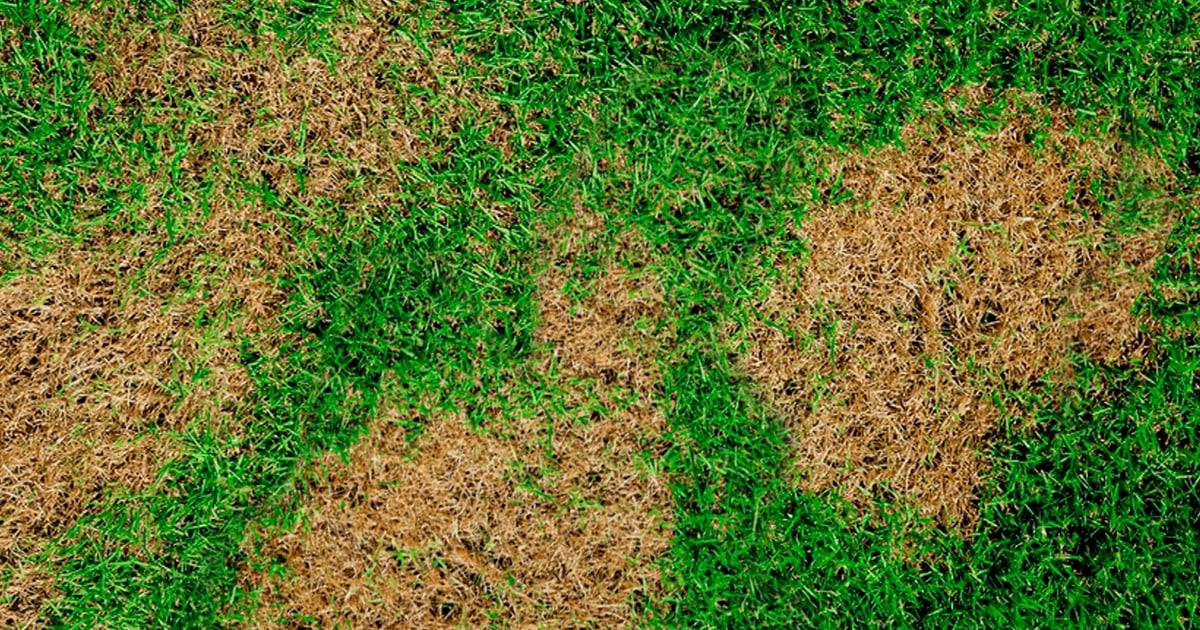
Most lawn fungal disease in South East Queensland starts the same way: a run of warm, sticky nights, a lawn that never quite dries out, and then patches of yellow or straw-coloured grass that seem to appear overnight. The fungi behind these diseases live in nearly every lawn and only cause trouble when the grass is stressed and the surface stays wet. That’s the good news, because most outbreaks trace back to things you can change: watering, drainage, thatch and mowing height. Poor drainage and thick thatch are exactly what a lawn renovation deals with, and fixing them makes the biggest difference over the long run.
What causes fungal disease in a lawn
Think of it as three things lining up: a fungus that’s already in the soil and thatch, grass that’s stressed, and conditions that keep the leaves damp. Take away any one of them and the disease struggles to get going. You can’t control the weather, but much of the stress and dampness comes down to how the lawn is set up and looked after.
The usual triggers are:
- Watering in the evening, or too often. Leaves that stay wet overnight are exactly what fungal spores need.
- Poor drainage and compacted soil. Water sits in the top few centimetres instead of soaking away, so the base of the plant stays wet for days after rain.
- Thick thatch. A spongy layer of runners and dead leaves holds moisture against the crowns.
- Mowing too low or with blunt blades. Scalped grass is stressed grass, and torn leaf tips are an easy way in for infection.
- Feeding at the wrong time or rate. Heavy doses of fast-release nitrogen in humid weather push out soft, lush growth that diseases like large patch thrive on. A lawn that’s never fed is just as vulnerable to others, including dollar spot.
- Shade and poor airflow. Grass under trees or hemmed in by fences dries slowly and grows weaker, and couch planted in heavy shade will always struggle.
In South East Queensland the riskiest times are autumn and spring, when warm days and cool, damp nights coincide with the grass slowing down for winter or just starting to wake up. Long humid spells in summer after heavy rain can set things off too.
Common lawn fungal diseases in South East Queensland
These turn up most often in couch, kikuyu, buffalo and zoysia lawns. A firm identification sometimes needs a closer look, but the patterns below are a good start.
Brown patch and large patch
Brown patch is the common name; in warm-season lawns turf managers usually call it large patch. Look for roughly circular areas of yellowing, then browning grass, anywhere from the size of a dinner plate to several metres across. The edge of an active patch is often orange or bronze, and the leaves pull away easily from the runner because the base of the leaf has rotted. It’s mostly an autumn and early spring problem, when the soil is damp and the grass is growing slowly.
Dollar spot
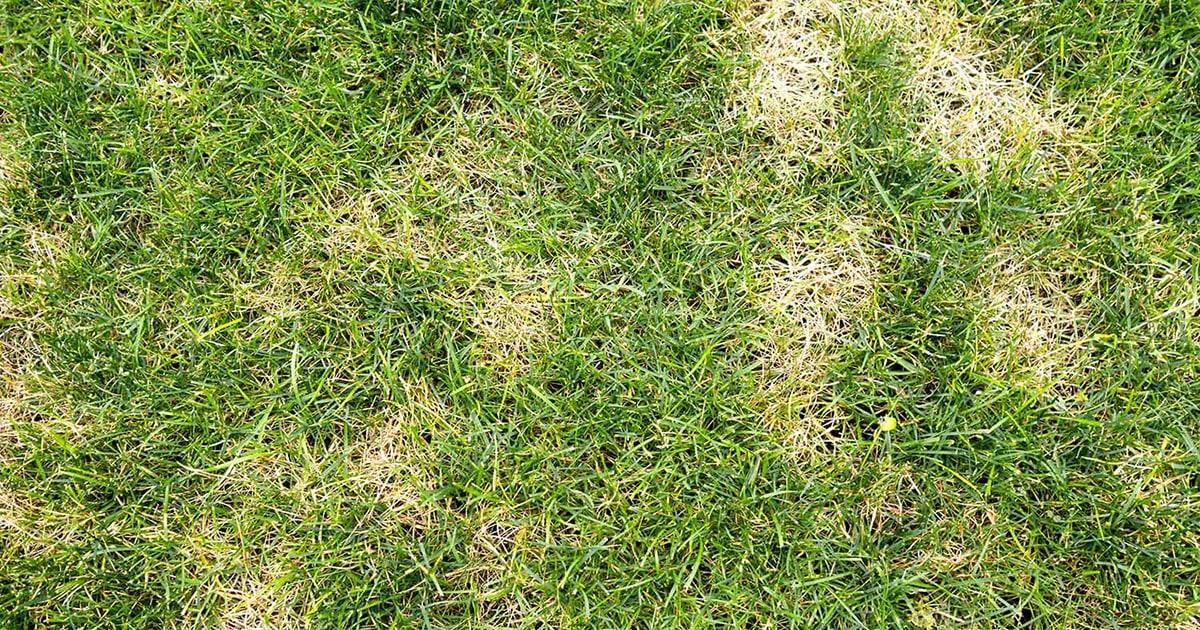
Small, round, bleached spots roughly the size of a coin, scattered across the lawn and sometimes joining into larger blotches. Up close, individual leaves carry straw-coloured bands with a reddish-brown border, and on dewy mornings you may see a fine white cobweb over the spots. Dollar spot is often a sign of a hungry lawn: low nitrogen, dry soil and leaves that stay wet from heavy dew.
Fairy rings
Rings or arcs of darker green, faster-growing grass, sometimes with a band of thin or dead grass inside, and mushrooms popping up after rain. The fungi live in the soil and feed on buried organic matter such as old roots, stumps or leftover building timber. Some types make the soil water-repellent, so grass in the ring dies of thirst while the rest of the lawn looks fine. They’re hard to get rid of completely, so the practical aim is to break up and re-wet the affected soil until the ring is much less noticeable.
Helminthosporium (leaf spot)
Couch lawns are the usual victims. It starts as small, dark purple to black spots on the leaves that grow into lesions with pale centres, and from a distance the lawn just looks thin, off-colour and tired. In bad cases the disease moves down into the crowns and roots and whole areas thin out, which is known as melting out. It’s worst in cool, wet weather, in shade and on lawns that are mown very short.
Slime mould
A grey or black powdery coating on the leaves after warm, wet weather is usually slime mould. It looks alarming, but it sits on the surface, does little real harm and disappears once things dry out, so it needs no treatment.
Fungus, grubs or dry patch?
Plenty of brown patches aren’t fungal at all, and treating the wrong problem wastes money. Before doing anything, check:
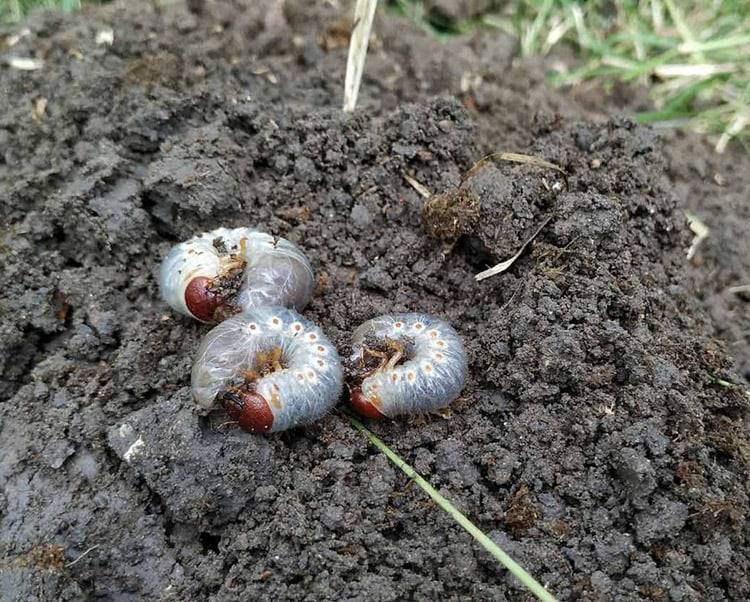
- Does the turf lift like loose carpet? Roots that have been eaten away point to curl grubs. Our guide to the signs your lawn has grubs shows how to check.
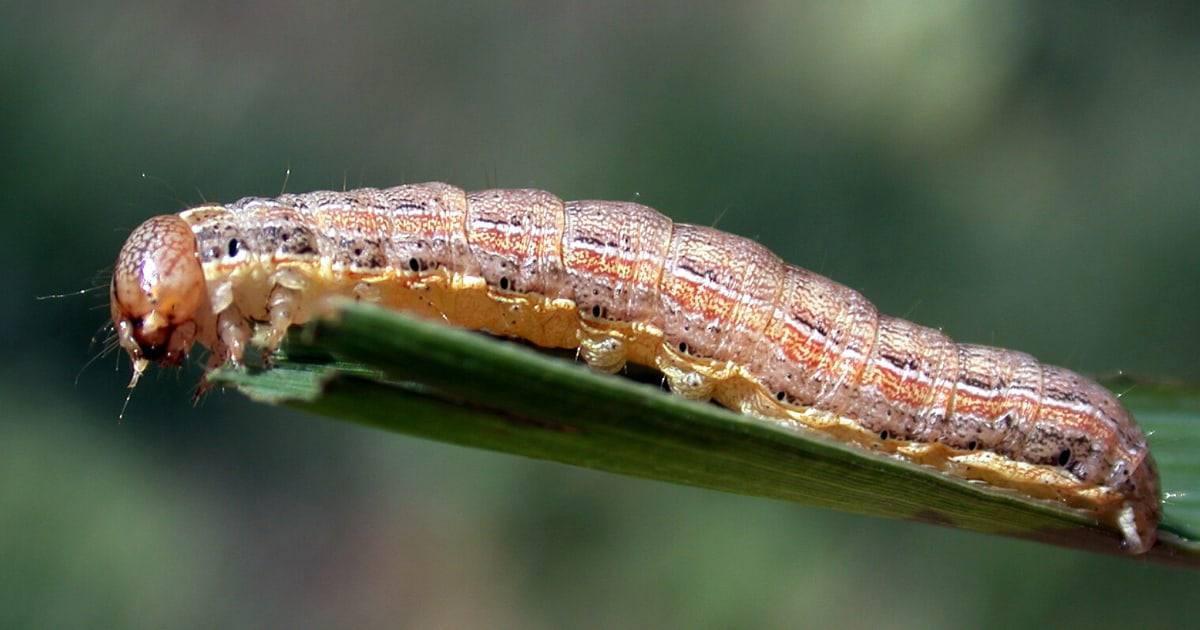
- Are the leaves chewed, or did the lawn look scalped overnight? That’s more likely armyworm than disease.
- Does water bead on the surface while the soil underneath is dry and hard? Dry patch, caused by water-repellent soil, is common on sandy soils in summer.
- Are there small dead spots ringed with dark green grass? Dog urine is the usual culprit.
- Do the leaves have spots, lesions or rotten bases? That’s the clearest sign of a fungal problem.
If it turns out to be grubs or armyworm, our lawn grub treatment page explains what’s involved.
A treatment plan for lawn fungal disease
Whatever the disease, the order is the same: confirm what it is, take away the conditions it needs, then help the grass grow back. Most lawns fill in again from their runners once the disease is under control, though recovery is slow until the weather warms up.
1. Change how and when you water
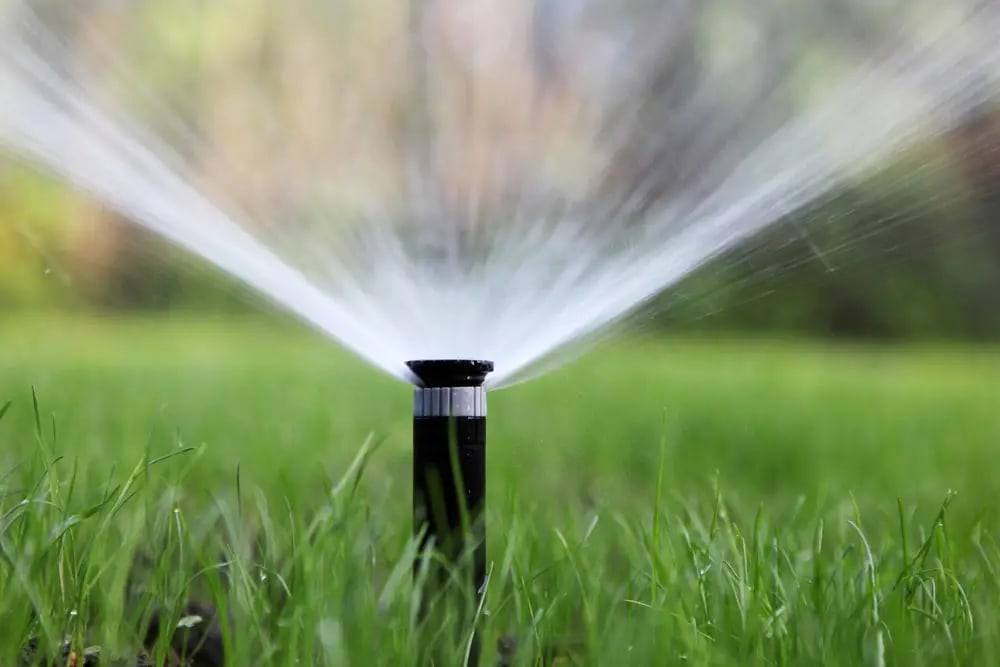
Water early in the morning so the leaves dry off during the day, never in the evening. Water deeply and less often, so moisture soaks down to the roots instead of sitting on the surface, and fix leaking taps or sprinklers that keep one corner soggy. For more on watering schedules, see how to make every drop count.
2. Fix drainage and compaction
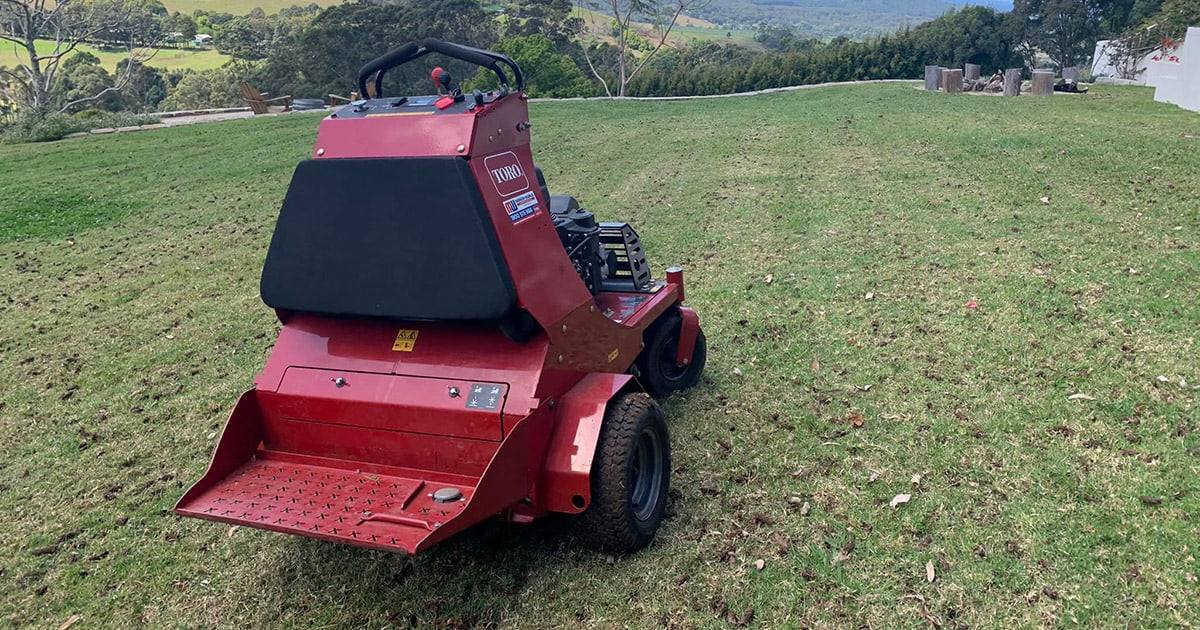
If water lies on the lawn after rain, the soil underneath is probably compacted. Core aeration pulls plugs of soil out so water drains down and air gets back to the roots. Low spots that collect water can be gradually levelled with top dressing.
3. Remove excess thatch
Where the thatch is more than about a centimetre thick, dethatching or scarifying strips it back so the surface dries faster and fungi have less to live in. Time it for when the grass is growing strongly, usually spring, so the lawn recovers quickly. Heavy renovation on a lawn that’s diseased and barely growing can make things worse.
4. Mow higher, with sharp blades
Raise the mower a notch, especially in shade, and keep the blades sharp so they cut cleanly instead of tearing the leaf. Where you can, thin out overhanging branches and dense shrubs: even an extra hour of sun helps the grass dry faster.
5. Feed in balance
Go easy on heavy, fast-release nitrogen feeds heading into autumn, when large patch is most active. A lawn with dollar spot, on the other hand, usually needs feeding. A slow-release fertiliser matched to the grass type and season keeps growth steady rather than soft. Our lawn fertilising service takes care of the product and the timing.
6. Use a fungicide only where it’s needed
A fungicide registered for turf can be part of the plan for a severe or recurring outbreak, but only once the disease has been identified, because different products suit different diseases. Check that the label lists your grass type, and follow the rates and safety directions. On its own, a fungicide doesn’t change the conditions that let the disease in, so if those aren’t fixed, expect it back.
Getting help with a fungal lawn problem
If patches keep coming back year after year, the underlying problem hasn’t been dealt with. Rather than reaching straight for a spray, we start with a free onsite check: we look at the patches, the soil, the thatch and how water moves across the lawn, rule out grubs and dry patch, then tell you what’s causing it and what it will take to fix. Usually that means some combination of coring, dethatching, top dressing and feeding, done together as a lawn renovation once the grass is growing strongly. We look after homes within 100 km of Beenleigh, including Logan, Brisbane Southside, the Gold Coast, Ipswich and the Redlands, and jobs start from $220.