
Sports field scarifying in South East Queensland
The field feels spongy underfoot, the ball pulls up instead of running and the mower keeps scalping brown runners. That's thatch building up between the leaf and the soil. We scarify whole fields to cut it out, clean up the debris and set the surface up to recover before the next season.
- Year-round contracts costed for your budget
- In-house Clegg hammer testing and soil sampling
- Tractor-mounted aeration and top dressing gear
- Fields up to 400 km from Beenleigh
Is thatch slowing your field down?
Couch fields such as Wintergreen and Santa Ana spread by runners, and with strong growth and regular feeding they lay down stems faster than the soil breaks them down. A little thatch cushions the surface. Too much holds water at the top, starves the roots and changes how the field plays.
- The surface feels springy and studs sink in
- The ball pulls up short or bounces dead
- Mowing scalps through to brown stems on the high spots
- Water sits on top after rain, or runs off when the field is dry
- Fertiliser and irrigation don't seem to reach the roots
- A cut plug shows a brown, spongy layer more than 10 to 15 mm thick above the soil
Field playing soft and slow?
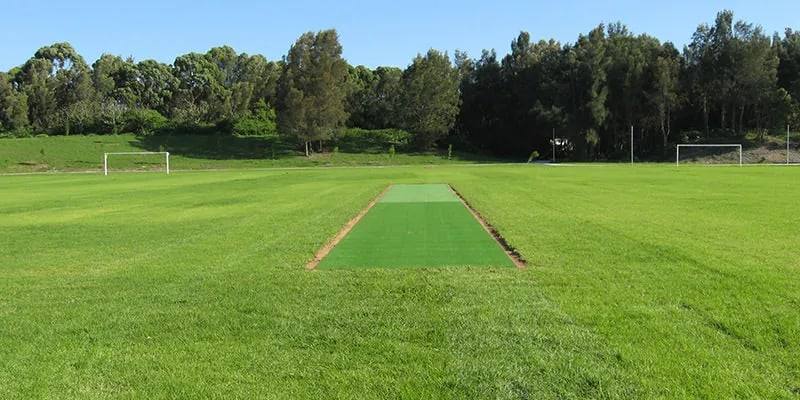
We'll cut plugs to measure the thatch, take Clegg hammer readings and check the soil, then tell you straight whether scarifying is the fix or whether coring and top dressing will do more. Jobs from $220.
Scarifying a whole field so it plays true
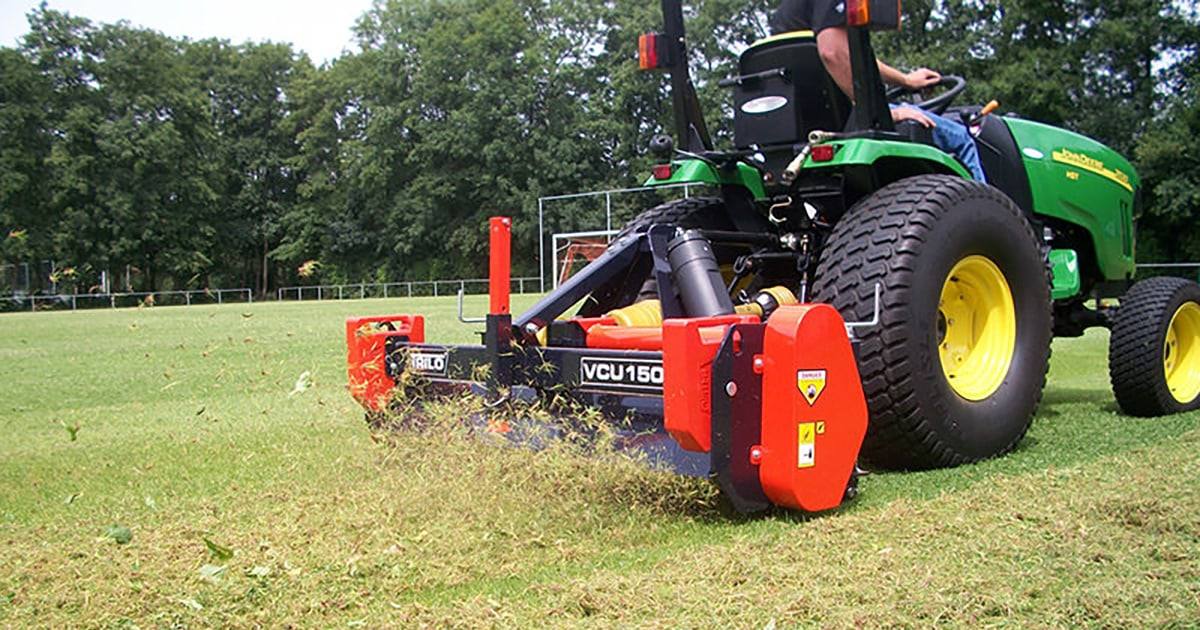
On a full field, commercial scarifying is done with a tractor-mounted unit whose vertical blades slice through the thatch and lift it out. The skill is in setting the machine up for your field and leaving a surface that recovers evenly.
Depth set to the job
A light verticut grooms the surface and thins the runners. A full scarify cuts through the thatch into the top of the soil. We measure the layer and run a test strip first, so the blades go as deep as needed and no deeper.
Passes in more than one direction
A full renovation usually takes two passes at an angle to each other. That lifts more thatch and leaves an even finish, rather than ribs running one way that can steer the ball. A light in-season verticut is often a single pass.
Clean-up as part of the job
A thatchy field gives up a lot of debris. We clear it off the surface and agree with you beforehand whether it is taken away or left at a set spot on site.
Thatch, ball roll and player safety
On a home lawn, thatch mostly shows up as scalping and dry patches. On a playing field it changes the game. A thick layer slows the ball and makes the bounce unpredictable, and it shears away under studs when players turn hard or pack a scrum, leaving divots and uneven footing.
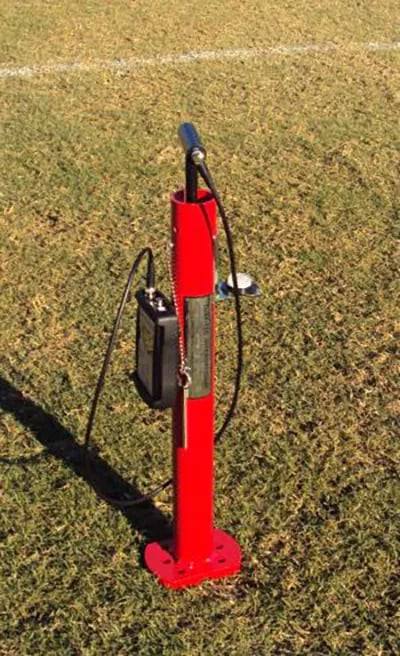
It can also hide a second problem: a soft top over soil packed hard underneath, so players get neither good grip nor a forgiving surface. Our 2.25 kg Clegg hammer measures hardness across the field, and the written readings show whether it needs scarifying, turf aeration or both.
When to scarify a sports field
Scarifying is hard on the grass in the short term. It needs warm soil, strong growth and time to recover before the field is used hard again.
After the winter season
For rugby league, rugby union, soccer and AFL fields, late September to December is the window: couch is growing strongly, there are no fixtures, and summer gives it time to recover before preseason.
After the summer season
Cricket outfields and summer-use fields are best done in March or early April, once the season wraps up and while there is still enough warmth for the couch to grow back. On shared ovals the changeover to football is short, so a light verticut may be all that fits.
When to leave it
Not in winter, when couch barely grows and the surface stays open for months. Not right before fixtures, and not in a dry spell without water. A turf irrigation check beforehand is worth it.
Getting the field back into play
Straight after scarifying the field looks rough: thinned, grooved and brown in places. That's normal. With warmth, water and feeding, couch fills back in over the following weeks and usually comes back denser and firmer.
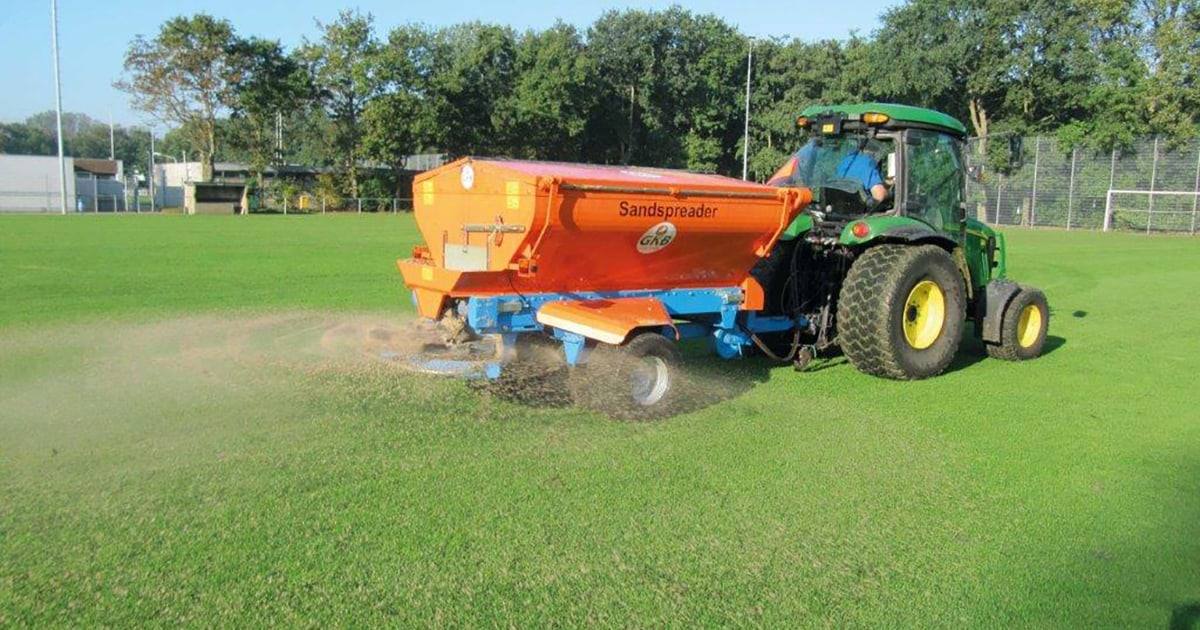
- Top dressing straight after fills the grooves and helps level the surface
- Fertiliser timed to the scarify helps the grass recover
- Regular watering for the first few weeks, especially in hot, dry weather
- Light verticuts during the season help stop thatch building straight back up
Our guide to sports field and school oval maintenance shows where scarifying fits in a year of field care.
What commercial scarifying costs
Jobs start from $220. A full field is priced on its size and how much thatch is coming out, so an in-season verticut costs far less than a deep off-season renovation. What changes the price:
- Field size and the number of passes it needs
- Thatch depth, which sets how much debris comes off
- Whether the debris is taken away or left on site
- Travel for fields further from Beenleigh
- Coring, top dressing or fertilising on the same visit
After the free onsite check you get a written plan and a firm price. Scarifying fits naturally into an ongoing turf management program, costed up front for council, school and club budget cycles.
Why grounds managers call us
- We measure the thatch and take Clegg hammer readings before recommending anything
- We tell you if coring or top dressing will do more than scarifying
- We explain what's wrong and lay out the work step by step, in writing
- Our own crew and machinery, matched to the size of the field
- Family-run in Beenleigh, looking after fields up to 400 km away across South East Queensland and Northern NSW
How a scarifying job runs
Free onsite check
We walk the field, cut plugs to measure the thatch, take Clegg hammer readings and talk through your fixtures and irrigation.
Plan and firm price
You get the depth, passes, clean-up and follow-up work laid out step by step, with a firm price costed to suit your budget cycle.
Scarifying day
Have the field mown and sprinkler heads marked beforehand. We scarify, clean up and leave a recovery plan for the weeks after.
Common questions
How much does commercial scarifying cost?
When is the best time to scarify a sports field?
How long until the field can be played on again?
What is the difference between scarifying, dethatching and verticutting?
How often should a sports field be scarified?
Do you scarify home lawns as well?
Book a free onsite check
We walk the field with you, take spot Clegg hammer readings, look at the soil profile, wear, drainage and thatch, and tell you whether a lab soil test is due. Then you get a clear plan and a price that fits your season and budget. No charge, no obligation.
- Jobs from $220
- Homes within 100 km of Beenleigh
- Sports fields across South East QLD and Northern NSW