
Lawn and sports field soil testing in Brisbane
If the grass stays pale after feeding, or one part of the field or lawn never keeps up with the rest, the cause is often in the soil. A soil test shows the pH and nutrient levels, so lime and fertiliser go where they're needed instead of being guessed at.
- Year-round contracts costed for your budget
- In-house Clegg hammer testing and soil sampling
- Tractor-mounted aeration and top dressing gear
- Fields up to 400 km from Beenleigh
When the soil is the real problem
Fertiliser can only do so much if the soil underneath is out of balance. When the pH drifts too far either way, nutrients already in the ground get locked up and the grass can't use them, however much you spread.
- Grass stays pale or yellow after fertilising
- The same areas thin out or struggle season after season
- The fertiliser bill keeps rising with little to show for it
- Moss and weeds that like acidic soil are moving in
- Heavy summer rain has leached nutrients out of a sandy field
- You're about to renovate, re-turf or start a new feeding program
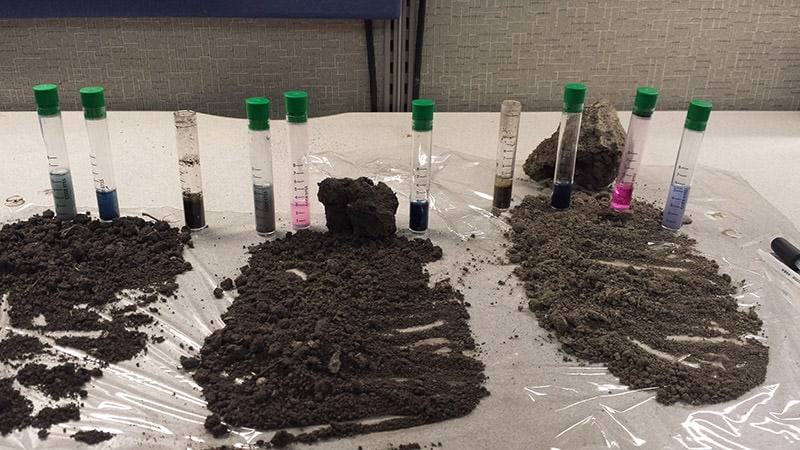
Spending on fertiliser and not seeing the difference?
We'll look at the grass and the soil profile, tell you whether a lab test is worth doing and what it should show. Jobs from $220.
What a soil test tells you
The lab looks at the chemistry of the root zone. We add what we can see in the soil core itself.
pH
Whether the soil is too acidic or too alkaline. A lot of South East Queensland soils lean acidic, which holds back nutrients such as phosphorus, calcium and magnesium. The result tells us whether lime, or less often sulphur, is needed and roughly how much.
Nutrients
Nitrogen, phosphorus and potassium, plus calcium, magnesium, trace elements and the balance between them. It shows what's short and, just as usefully, what's already there, so you stop paying to add it.
Soil structure
The core shows texture, root depth, thatch, compaction and layers left by past top dressing. These physical problems often matter as much as the chemistry, and they're fixed with machinery rather than fertiliser.
A good result starts with a good sample
We take samples the same way every time, so results can be compared year to year.
- We split the site into zones that are managed differently, such as the wicket area, outfield and goal mouths on an oval, or the front and back lawn at home
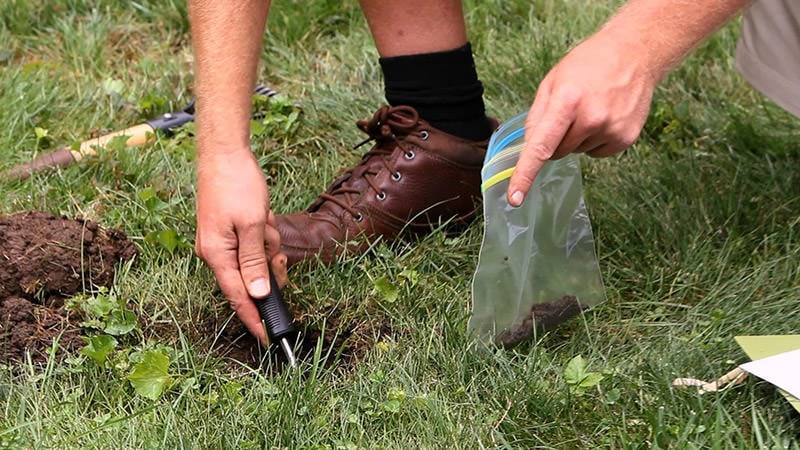
- In each zone we take a number of small cores at a consistent depth through the root zone
- The cores are mixed into one sample per zone, bagged, labelled and sent to a soil laboratory
- We read the results against your grass type and how the area is used
Before we sample
Let us know when the area was last fertilised or limed, because a recent application can throw out the results. If you have old soil test reports, keep them handy so we can see which way things are moving.
What the results change in your program
Testing is only worth doing if it changes what happens next. Depending on the results, that can mean:
- Lime to lift acidic soil, or sulphur where it's too alkaline
- A feeding program built around what the soil is short of, through our turf fertiliser service
- Cutting back products the soil doesn't need
- Aeration and top dressing where compaction, drainage or layering are holding the grass back
- A retest next year to check pH and nutrients are moving the right way
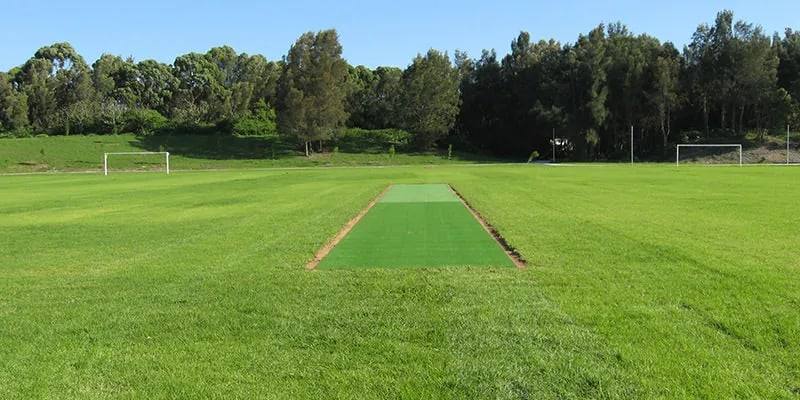
Soil testing for sports fields and home lawns
Councils, schools and clubs
Soil results give you a written basis for the year's fertiliser and renovation spend, which makes budget submissions easier to justify. We recommend testing once a year before the growing season, alongside Clegg hammer testing, so you have the chemistry and the surface hardness in one picture. It fits neatly into a turf management program.
Home lawns
Worth doing before a renovation or re-turf, or when a lawn has stopped responding to feeding. We use the results to set up lawn fertilising and aeration that suit your grass and soil. Our guide to lawn fertilising covers the basics.
What it costs, and what you get
What it costs
Jobs start from $220. A single zone on a home lawn sits at the lower end. A sports ground split into several zones, a group of fields or a broader lab panel costs more, and so does travel to regional grounds.
Booking sampling on the same visit as Clegg hammer testing or a renovation saves a separate trip. You get a firm price after the free onsite check, and councils and schools can have yearly testing costed into a contract for the budget year.
Why All Grass Solutions
- We look at the whole picture, not just the lab sheet
- We explain the results in plain terms and lay out the work step by step
- Our own crew and machinery carry out the plan if you want us to
- Family-run and based in Beenleigh
From soil sample to a clear plan
Free onsite check
We look at the grass, pull a soil core to check the profile and ask what has been applied and when.
Clear plan and price
We tell you which tests are worth doing and why, with a firm price before anything starts.
Testing and results
We take the samples, send them to the lab and walk you through the results and the work they point to.
Common questions
How much does soil testing cost?
How often should soil be tested?
Can I use a home pH test kit instead?
Do you test home lawns as well as sports fields?
What do you do with the results?
Book a free onsite check
Tell us about the field or lawn. We'll come out, look at the grass and the soil profile, and tell you whether a lab test is worth doing. Then you get a clear plan and a price. No charge, no obligation.
- Jobs from $220
- Homes within 100 km of Beenleigh
- Sports fields across South East QLD and Northern NSW