
Lawn fertilising in Brisbane
Lawn looking pale, yellow or thin even though you water it? Or you've tried fertiliser and got burnt stripes or not much change? We work out what your grass and soil are actually short of, then feed at the right rate and the right time of year.
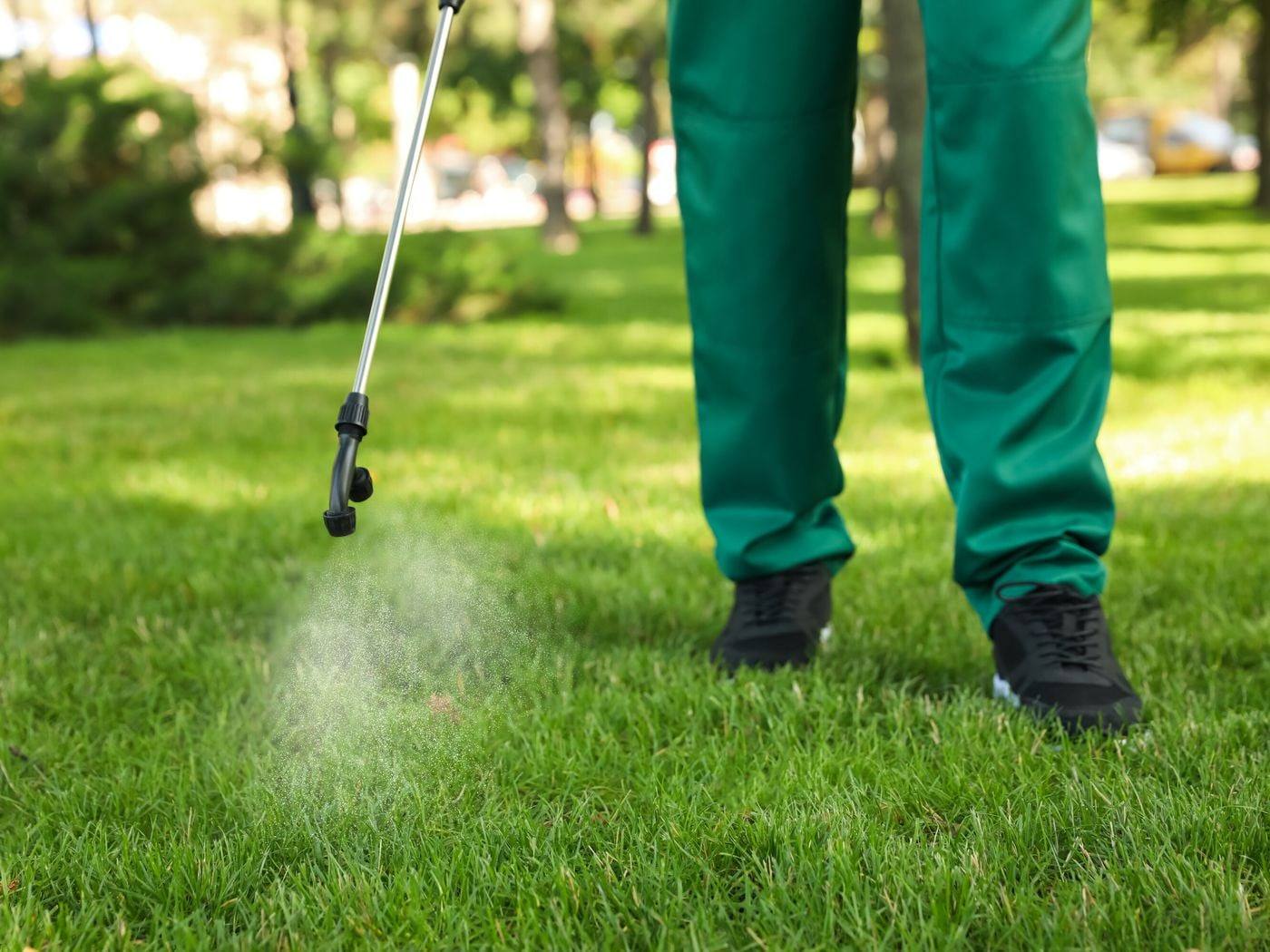
- Family-run, based in Beenleigh
- Our own crew and machinery
- We diagnose before we price the work
- Jobs from $220
Is your lawn hungry, or being fed the wrong way?
Warm-season grasses do a lot of growing through a South East Queensland summer, and clippings that go in the bin take nutrients with them. Heavy rain leaches more out of sandy soils, and where the pH is off, nutrients already in the soil get locked away from the roots. Over a season or two, the lawn runs short.
- Pale, yellow-green colour across the lawn
- Slow to bounce back after mowing, wear or a dry spell
- Clover and other weeds filling in the thin patches
- Colour comes back after a feed, then fades within weeks
- Yellowing even though you fertilise regularly
- Burnt stripes or patches left by a past feed
Yellowing isn't always hunger. Waterlogging, compaction, disease and lawn grubs can look much the same, which is why we diagnose before we feed. And while a thick, well-fed lawn leaves weeds fewer gaps to move into, feeding won't clear weeds that are already established. That's a separate job for weed control.
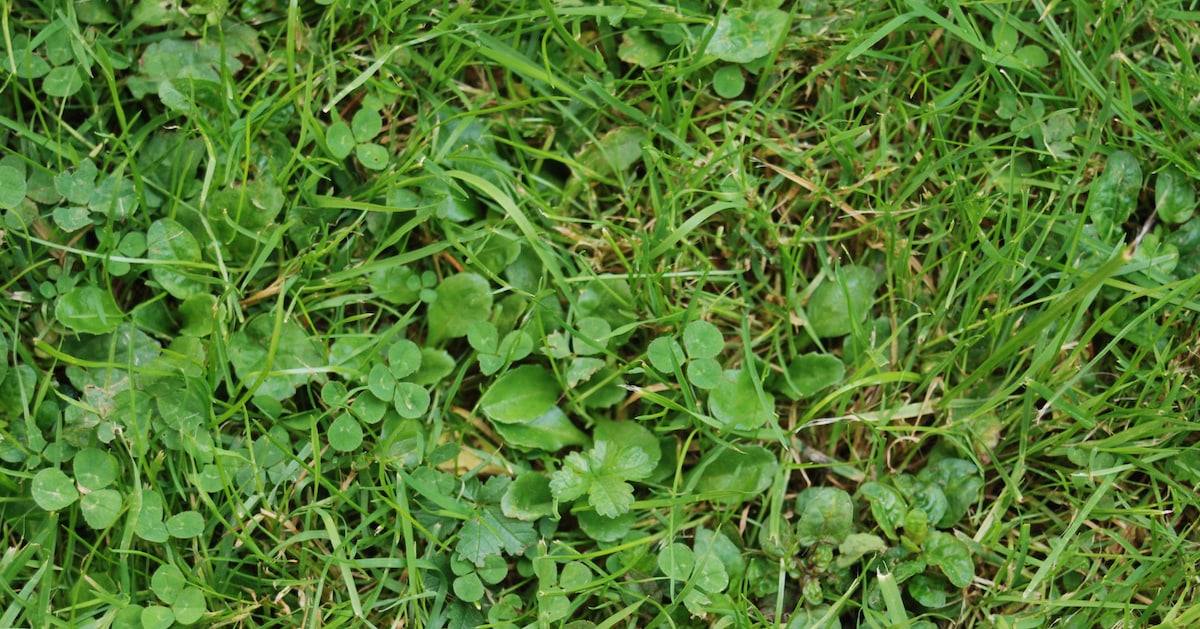
Fed it, watered it, still looks tired?
We'll look at the grass, check the soil and work out whether it's hungry, compacted or something else before you spend more on fertiliser. Jobs from $220.
Find out what the soil needs before feeding it
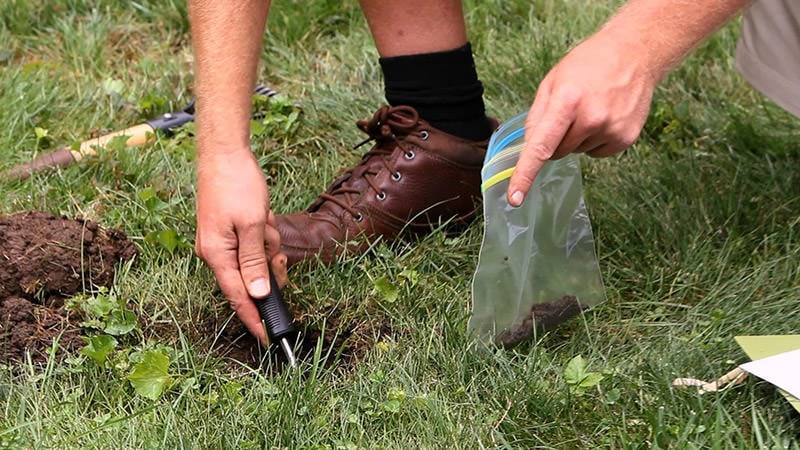
An all-purpose bag of lawn food assumes your soil is short of the same things as everyone else's. A soil test checks. It shows the pH and which nutrients are low or already plentiful, so the money goes on what the grass actually needs.
pH matters more than most people expect. When it's well outside the range lawn grasses like, nutrients already in the soil get locked up and more fertiliser does little. On acidic soil the right fix is often lime to bring the pH up, with less fertiliser rather than more.
Not every lawn needs a test. If yours has stopped responding to feeding, or the symptoms point to the soil, we'll recommend one before anything is spread. Read more about our soil testing service.
Feeding warm-season grasses through the year
Couch, kikuyu, buffalo and zoysia grow strongly from spring to autumn and slow right down in winter, so feeding is timed to the growing months. This pattern suits most lawns around Brisbane, Logan and the Gold Coast, and we adjust it for your grass and soil.
Spring
The feed that counts most. Feeding as the soil warms in late August and September fuels the new season's growth and helps the lawn thicken before summer. Spring is also renovation season, and feed spread straight after lawn aeration goes right down to the roots.
Summer
The grass grows hard and uses plenty, but heat and storms bring risks. Lighter or slower feeds work best, never on a lawn that's drought-stressed, and timed so a downpour doesn't wash them away.
Autumn
A feed in March or April helps the lawn recover from summer wear, build up reserves and hold its colour longer as the nights cool.
Winter
Growth slows right down. Where the soil stays mild near the coast, a light feed can help hold colour. Inland and in frost-prone spots, it's usually better to wait for spring.
Slow-release, liquid or both?
There's no single best fertiliser. What matters is matching how quickly it releases to what the lawn needs right now.
Slow-release granular
The base most of our feeding is built on. The granules break down over several weeks, giving steady growth instead of a flush, with less risk of burn and less washed away by storms.
Liquid feeds
Absorbed through the leaf as well as the roots, so the colour improves within days. Useful for a quick lift or to correct a trace element shortfall such as iron. The response fades faster than granules, so liquids go on top of a slow-release base rather than replacing it.
Organic-based blends
Release nutrients slowly as soil life breaks them down, and add the organic matter that sandy or tired soils are short of. We often combine them with mineral fertilisers, which supply a precise dose of the main nutrients.
Our three-tip guide to lawn fertilisation explains what the numbers on the bag mean and how the release types differ.
No burnt stripes, nothing down the drain
The product is rarely the problem; the application usually is. Too much in one spot scorches the grass. Too much overall forces soft, sappy growth, and whatever the lawn can't take up runs off into the stormwater and on to the creeks and the bay.
- Measured rates, worked out from your lawn's area
- Even spreading, with no doubled-up strips or missed bands
- Applied when the soil is moist, not when the lawn is wilting in the heat
- Paths and driveways swept so granules don't end up in the gutter
- Timed around the forecast, so a storm doesn't wash it away
- Clear notes on watering it in and when kids and pets can go back on
Feeding and watering work together. Our guide to getting the most from water and feed has tips for the weeks after.
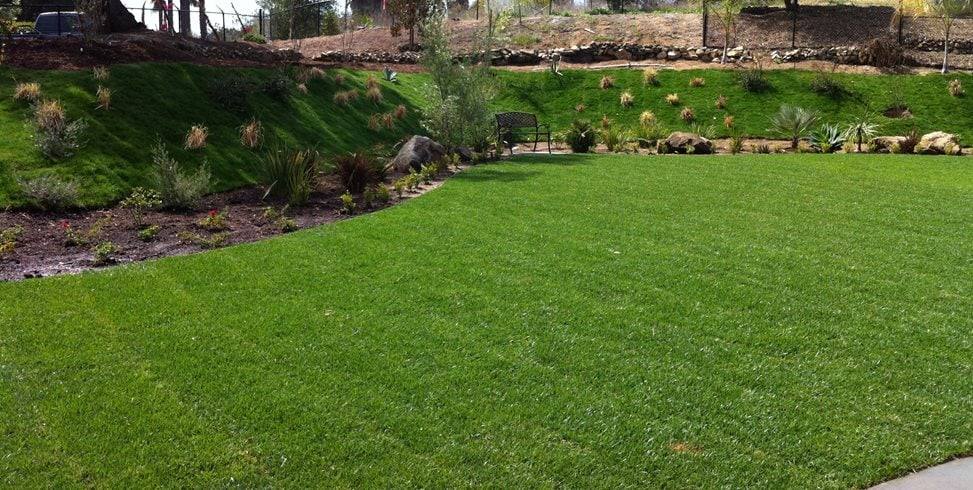
What does lawn fertilising cost?
Jobs start from $220. The price depends on the size of the lawn, what's being applied (slow-release granules, a liquid feed or a soil amendment such as lime), whether a soil test should come first, and whether the feed is part of a bigger job such as aeration or top dressing.
After the free onsite check you get a firm price before any work starts. If you'd rather not keep track of the timing yourself, feeding can also be built into a regular lawn service.
A diagnosis, not just a bag of fertiliser
- We find out why the lawn is struggling before recommending a feed
- We explain what's wrong and lay out the work step by step
- Feeding matched to your grass type, soil and the time of year
- Our own crew and our own equipment
- Family-run and based in Beenleigh, covering homes within 100 km
Managing an oval or playing field? See our turf fertiliser programs for sports fields.
Three steps to a better-fed lawn
Free onsite check
We look at the grass type, colour and density, check the soil and ask what has gone on the lawn recently.
Clear plan and price
You get what to apply, when and why, plus a firm price for the job.
Feeding day
We apply it at a measured rate, sweep any granules off hard surfaces and leave you notes on watering in.
Common questions
How much does lawn fertilising cost?
When should I fertilise my lawn in Brisbane?
How often should a lawn be fertilised?
How soon will I see a difference?
Can fertiliser burn my lawn?
Do I need a soil test before fertilising?
Book a free onsite check
We'll come out, look at the grass and the soil underneath, and tell you straight what's going on and what it'll take to fix. No charge, no pressure.
- Jobs from $220
- Homes within 100 km of Beenleigh
- Sports fields across South East QLD and Northern NSW