7 signs your lawn has grubs, and how to control them naturally
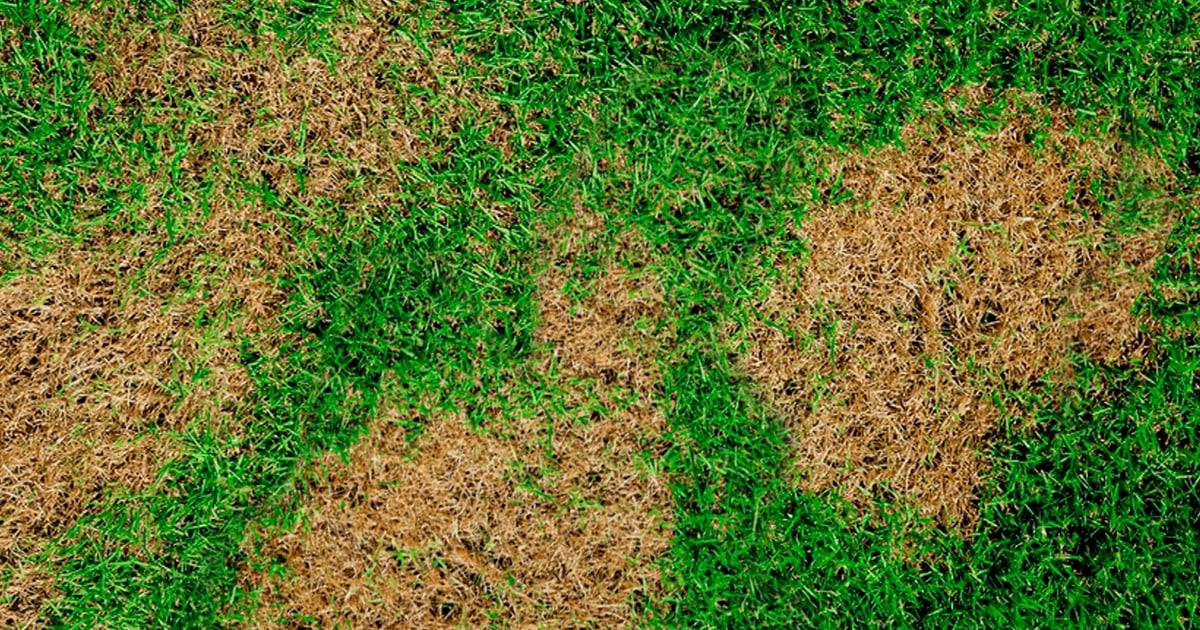
Spreading brown patches, birds digging and turf that peels back like carpet are classic signs of lawn grubs. Here's how to confirm them, what natural control can realistically do in a South East Queensland lawn, and when it's time to treat.
Late summer is when a lot of South East Queensland lawns start to go wrong. A patch by the fence turns straw-coloured, a week later it’s twice the size, and the magpies won’t leave it alone. Watering doesn’t help, because the lawn isn’t short of water: something is eating it. Here are the seven signs we look for on a suspected grub job, how to confirm them yourself, and what natural control can and can’t do before you need our lawn grub treatment service.
“Lawn grubs” covers two different pests
People use “lawn grubs” for two different groups of insects, and they feed in different places.
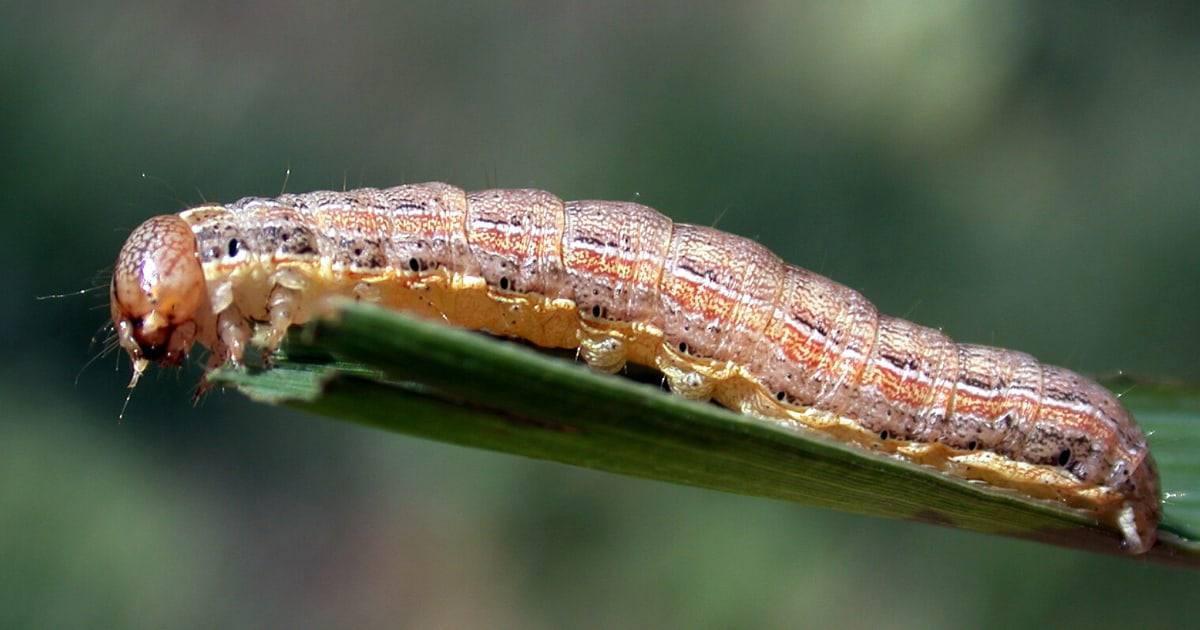
- Caterpillars, mainly lawn armyworm and sod webworm, the young of small brown moths. They hide in the thatch by day and eat the grass leaves at night. A bad armyworm outbreak can chew a lawn down to stubble within days.
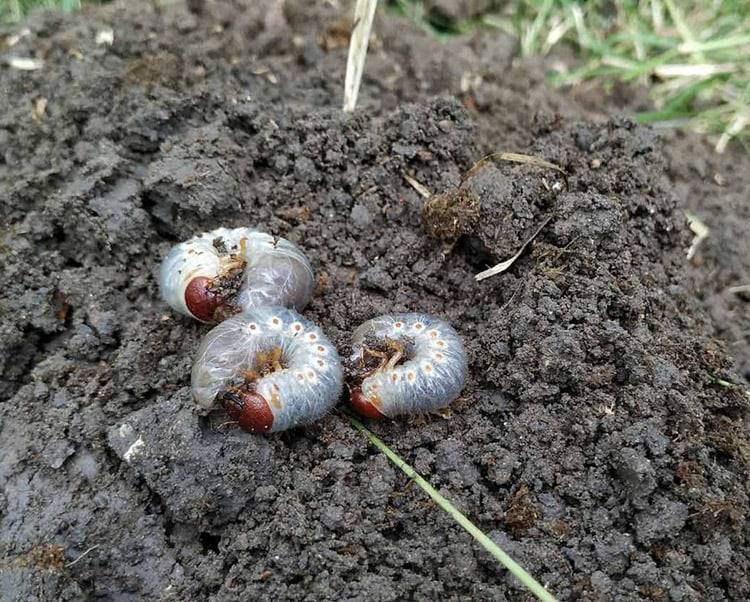
- Curl grubs, the creamy white, C-shaped larvae of African black beetle and several native scarab beetles. They sit just below the surface chewing through the roots, so the grass fails from underneath.
Our overview of turf-eating insects covers the less common pests too.
7 signs your lawn has grubs
1. Brown patches that keep getting bigger
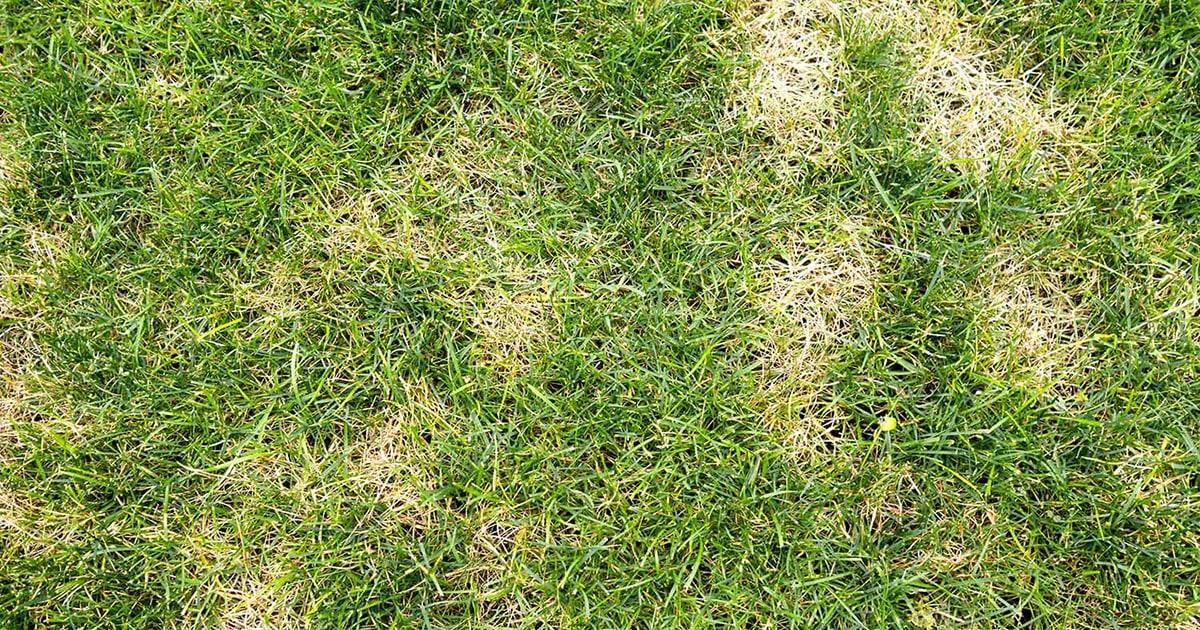
Irregular brown or straw-coloured patches appear, often in the sunniest part of the lawn, and spread week by week as the grubs move on to fresh grass. Several patches that slowly join up is a strong hint.
2. Birds working the same spot
Magpies, ibis, crows and mynas know where the food is. If they keep stabbing at the same part of the lawn, or bandicoots are digging small holes there overnight, there are probably grubs underneath.
3. Grass that peels back like carpet
Tug on the grass where a dead patch meets the green. If it lifts easily with hardly any roots attached, curl grubs have eaten them. Dry grass stays anchored.
4. A spongy feel underfoot
With the roots gone and the soil loosened, the turf can feel soft and springy underfoot, sometimes before the colour changes much. Thick thatch feels similar, so look for the other signs too.
5. Chewed leaves, or a lawn that looks mown too short
Caterpillars eat the blades, not the roots. Look for ragged, notched leaves, a patch scalped down to the runners with a clear edge, and tiny green-brown droppings in the thatch.
6. Moths at dusk, or beetles around the lights
Little brown moths lifting off the lawn as you walk it in the evening are laying the next round of caterpillars. Shiny black beetles around outdoor lights or in the pool in spring and autumn are often African black beetles, whose larvae are curl grubs. The African black beetle guide covers how to spot the adults and when their grubs do the most damage.
7. Patches that water won’t fix
A lawn that’s simply thirsty greens up within days of a good soak. If a patch stays brown after deep watering, or fertiliser does nothing for it, push a trowel into the soil underneath. Moist soil means the roots probably aren’t there to take the water up. Soil that’s still dry points to water-repellent soil instead.
Confirm it before you treat anything
Dry patch, lawn fungal diseases, dog urine and mower scalping can all look like grub damage from a distance, so check before you treat.
- The wet-bag test. In the evening, lay a soaked hessian bag, old towel or carpet offcut where brown grass meets green, and lift it first thing next morning. Armyworm and webworm caterpillars shelter underneath and are easy to see.
- The soap flush. Mix about two tablespoons of dishwashing liquid into a full watering can and drench roughly a square metre where the damage is fresh. The soap irritates any caterpillars in the thatch, and they come up within ten minutes.
- The dig test. For curl grubs, slice under a spade-sized piece of turf where dead grass meets living grass, lift it back and crumble the top 5 cm of soil. Finding one or two is no cause for alarm. Finding them bunched together, spot after spot, means they’re the problem.
Check a few spots, focusing on patch edges, where the grubs are still feeding.
Natural ways to control lawn grubs
None of these methods will wipe grubs out, and on a heavy infestation they won’t work fast enough alone. For light numbers or prevention, they tip the balance your way: a lawn that’s harder to damage, and predators to help clean up.
Grow a lawn that can take a hit
A dense, deep-rooted lawn can lose some leaves or roots and keep going. A stressed, shallow-rooted one collapses.
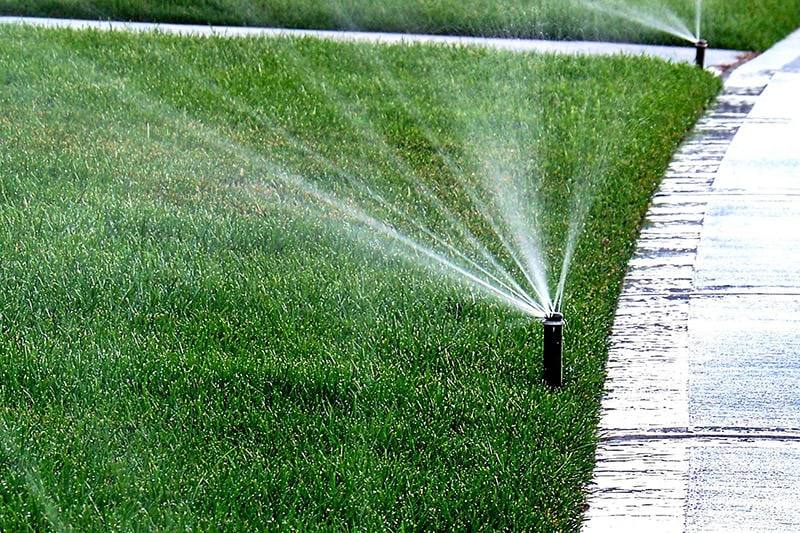
- Water deeply and less often, so roots follow the water down, away from the top few centimetres where curl grubs feed.
- Mow at the right height for your grass and avoid scalping. More leaf means more reserves to recover with.
- Feed in the growing season so the lawn regrows faster after damage. Our lawn fertilising service matches the feed to your grass and soil.
- Keep thatch under control. A thick mat of runners and dead material is ideal cover for caterpillars, and dethatching and scarifying in spring clears it out.
Let the birds do some of the work
Magpies, butcherbirds, kookaburras and ibis happily work a lawn for grubs, and a bird bath and native shrubs nearby give them a reason to visit. Expect some pecked turf while they feed, and fewer grubs rather than none. If you keep chickens, letting them over an affected patch for a few days does a similar job.
Pick them off with a wet bag
On a small lawn, the wet-bag test doubles as a control method. Lift the bag each morning and tip the caterpillars gathered underneath into a bucket of soapy water. It won’t keep up with a full armyworm outbreak, but it knocks numbers back on a small patch.
Beneficial nematodes
These microscopic worms parasitise soil-dwelling insect larvae, including curl grubs. They’re a living product: keep them cool, apply them in the evening to moist, warm soil and water them in. Results are slower and less predictable than a conventional treatment, so they suit a light curl grub problem better than a lawn that’s dying in front of you.
Turn the lights off in beetle season
African black beetles fly on warm spring and autumn evenings, native scarab beetles mostly from late spring through summer, and both are drawn to lights. Keeping outdoor lights off on those nights, or away from the lawn, can mean fewer beetles laying eggs in your yard.
Home remedies we’d skip
- Borax. Grass needs boron only in tiny amounts. Too much is toxic to the lawn and lingers in the soil, so a borax spray can do more harm to the grass than to the grubs.
- Neem oil. It’s often suggested, but the evidence that it controls grubs in a lawn is thin.
- Aerating to kill grubs. The tines touch only a small fraction of the soil, so coring won’t clear a grub problem. It’s still worth doing in spring for deeper roots; our lawn aeration page explains why.
When natural methods aren’t enough
It’s time to look at a targeted treatment if:
- patches are spreading noticeably from one week to the next
- the soap flush brings up dozens of caterpillars, or armyworm are moving across the lawn
- the dig test turns up a cluster of grubs in several spots
- large areas lift like carpet, or the same lawn gets hit every year
Treatment starts with identifying the pest: caterpillars are treated on the leaves, while curl grubs need a treatment that reaches the root zone. It goes on the affected area plus a buffer of healthy-looking grass rather than blanketing the whole yard by default, and we tell you when kids and pets can go back on. No treatment stops moths and beetles flying in later, so we’ll also point out the early signs to look for.
Getting the lawn back
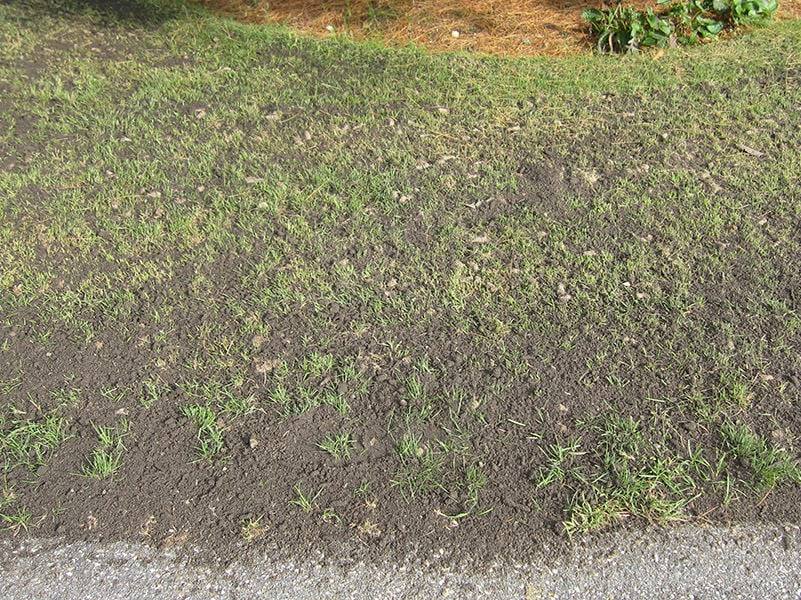
Couch, kikuyu, buffalo and zoysia spread by runners, so once the feeding stops, and as long as those runners are alive, the lawn fills back in. Leaf damage from caterpillars usually recovers fastest, often within weeks over summer. Curl grub damage takes longer, because the lawn has to grow new roots first. Water deeply, feed once the pests are under control, and spread a thin layer of top dressing over thin patches so the runners have something to grow into. Only dead areas need new turf.
If natural methods aren’t keeping up, or you’re not sure what’s eating the lawn, we can help. Our lawn grub treatment service covers homes within 100 km of Beenleigh, including Logan, Brisbane Southside, the Gold Coast, Ipswich and the Redlands. It starts with a free onsite check, so you know what the pest is and what fixing it will cost before anything goes on the lawn.