
Sports field maintenance in Brisbane and South East QLD
Goal squares worn to dirt, ground getting harder by the week and water lying after rain, with round one getting closer. We test the field, tell you plainly what's wrong and fix it, as a one-off renovation or a year-round contract.
- Year-round contracts costed for your budget
- In-house Clegg hammer testing and soil sampling
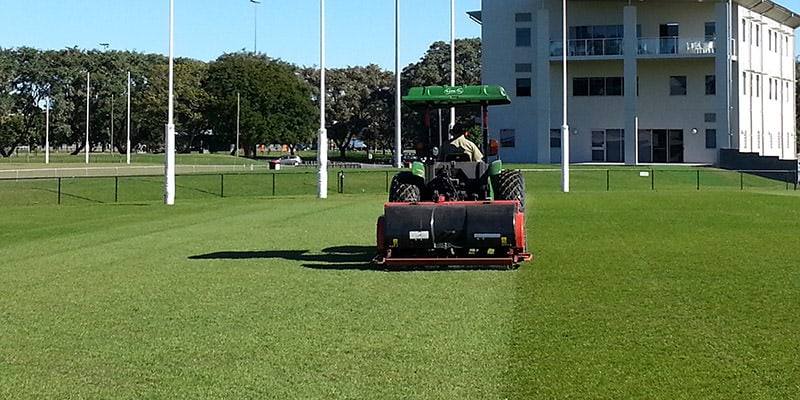
- Tractor-mounted aeration and top dressing gear
- Fields up to 400 km from Beenleigh
Why sports fields and ovals wear out
A community field can carry training four nights a week, games every weekend, PE classes and the odd carnival, often on heavy clay and with barely a break between seasons. All that traffic squeezes the soil, wears the grass off the busiest areas and slowly turns a good surface into a hard, uneven one. Most of the trouble starts below the grass.
- Ground that's hard underfoot, worst late in a dry season
- Goal squares, centre circles and wicket ends worn back to dirt
- A spongy layer of thatch that stays wet and plays slow
- Water lying on the field for days after rain
- Bumps, hollows and divots that make the bounce unpredictable
- Bindii, clover and crowsfoot moving into the thin areas
- Grass that stays thin and pale however much it's watered
Each of these has a cause we can test for, and most fields have more than one going on. Fixing the right one first is what makes the budget go further.
Field hard, bare or holding water?
Get it checked before the season starts. We'll take Clegg hammer readings in the worn areas, pull a soil core and tell you what's causing it and what it will take to fix. The onsite check costs nothing.
Matching the work to what's actually wrong
There's no standard package. Once we've tested the field, each problem gets the treatment that deals with its cause, done in the order that makes the result last.
Hard, compacted ground
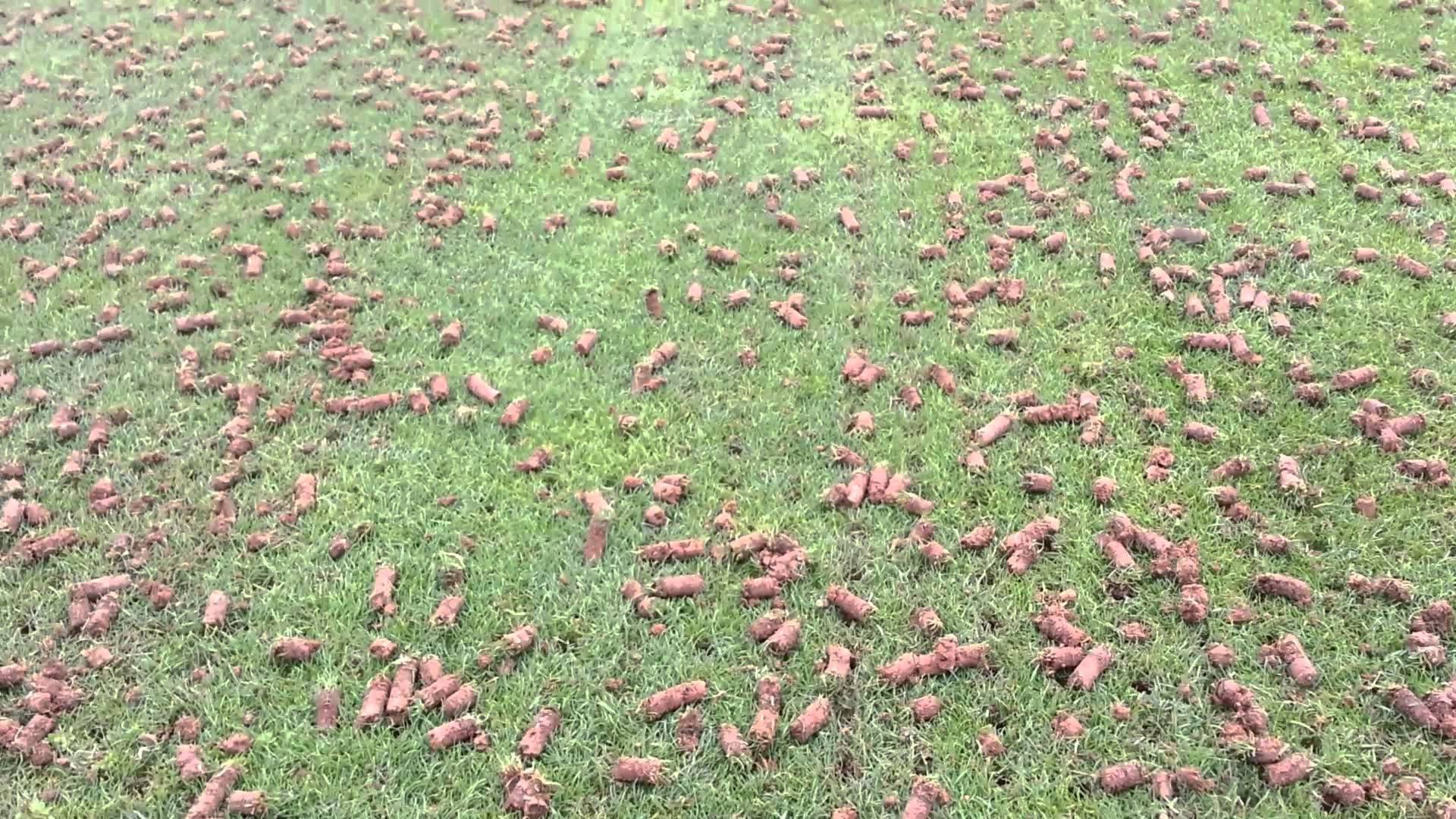
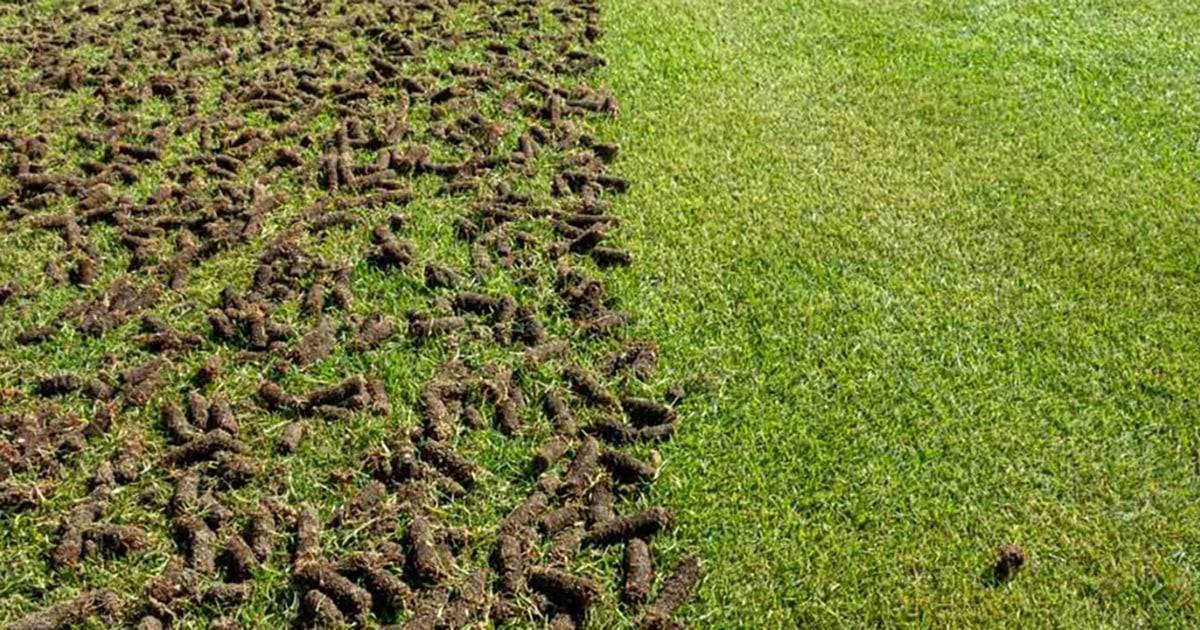
Our John Deere Aercore 800 pulls thousands of soil cores from the root zone, relieving compaction so water, air and roots can get back down. Busy fields usually need it at least once a year.
Turf aeration for sports fieldsThatch build-up
Couch fields build a mat of runners and dead leaf that holds water, plays soft and patchy, and harbours disease. Scarifying cuts it out across the whole field before the rest of the renovation.
Commercial scarifyingWorn and uneven surfaces
Sand top dressing after coring fills the holes, smooths out hollows and divots and, over a few seasons, builds a firmer, freer-draining surface. Bare goal squares are oversown or turfed at the same time.
Sports turf top dressingWater lying after rain
Usually a sealed, compacted surface over heavy clay, or low spots that collect run-off. Coring and sand dressing open the surface and fill the hollows, and we check the sprinklers aren't adding to it. If it needs drainage work, we'll say so.
Turf irrigation checksWeeds in the thin areas
Targeted spraying and well-timed pre-emergent treatments help hold weeds back, but the lasting fix is denser turf that leaves them less room. We only treat what the field actually needs.
Commercial weed controlThin, hungry turf
Soil tests show the pH and which nutrients are short, so the fertiliser program feeds what the field is missing, timed around growth and your fixtures instead of guesswork.
Soil testing for sports turfSurface hardness, measured instead of guessed
A field can look green and still be hard enough to hurt someone. Hard ground makes every tackle, dive and fall land harder, and research in Australian football has linked harder, drier grounds to more lower-limb injuries. You can't judge it accurately by walking across it.
So we measure it. Our 2.25 kg Clegg hammer drops from a set height and records how sharply the surface stops it. We take readings in the goal squares, centre, wings and quieter areas, record the conditions on the day (readings rise as the soil dries) and compare the zones to find what's driving the hardness: dry soil, compaction, thin cover or all three.
Readings are taken again after the work, so you can see whether it made a difference rather than taking our word for it. More on Clegg hammer compaction testing, or read our guide to sports field and school oval maintenance.
What goes in your written report
- Hardness readings for each zone, marked on a field plan
- Soil conditions on the day of testing
- What's causing the hard, worn or wet areas
- The recommended work, in order, with timing
- The cost, laid out to suit your budget cycle
Plain enough to put in front of a committee, a facilities manager or a council officer.
A year-round oval maintenance planner
Couch grows strongly from spring to early autumn and barely at all in a South East Queensland winter, so the heavy work goes where the grass can recover from it. This is how a typical year runs on a winter-sport field used for league, union, AFL or football.
- Sep to Nov
Renovate
- Core aeration across the whole field
- Scarifying where thatch has built up
- Sand top dressing to level and firm the surface
- Oversow or turf bare goal squares
- Soil tests to set the year's feeding
- Dec to Feb
Grow in
- Fertilise to drive recovery
- Spot weed control while turf thickens
- Check sprinkler coverage through the summer heat
- Second aeration pass on the busiest fields
- Watch for armyworm in late summer
- Mar to May
Get season-ready
- Clegg hammer readings before round one
- Repair hard or bare spots
- Pre-emergent timing for winter weeds like bindii
- A feed before growth slows
- Pre-season line marking
- Jun to Aug
Play and protect
- Seasonal line marking
- Divot and goal-mouth repair
- Hardness checks in dry spells
- Cost and book the spring renovation
Cricket and shared ovals run a different calendar: cricket grounds usually renovate in autumn while the couch is still growing, and shared ovals split the work between two short changeover windows. School ovals get their heavy work in the holidays. Your program is built from your fixture list, not a generic calendar.
Sports turf management across South East Queensland and Northern NSW
Book a single service or roll several into a management program. Every one starts with the same free onsite check.
Turf Aeration
Tractor-mounted and stand-on aerators for fields worn hard by play. Learn more
Turf Management Programs
Year-round field management contracts, costed up front for the budget cycle. Learn more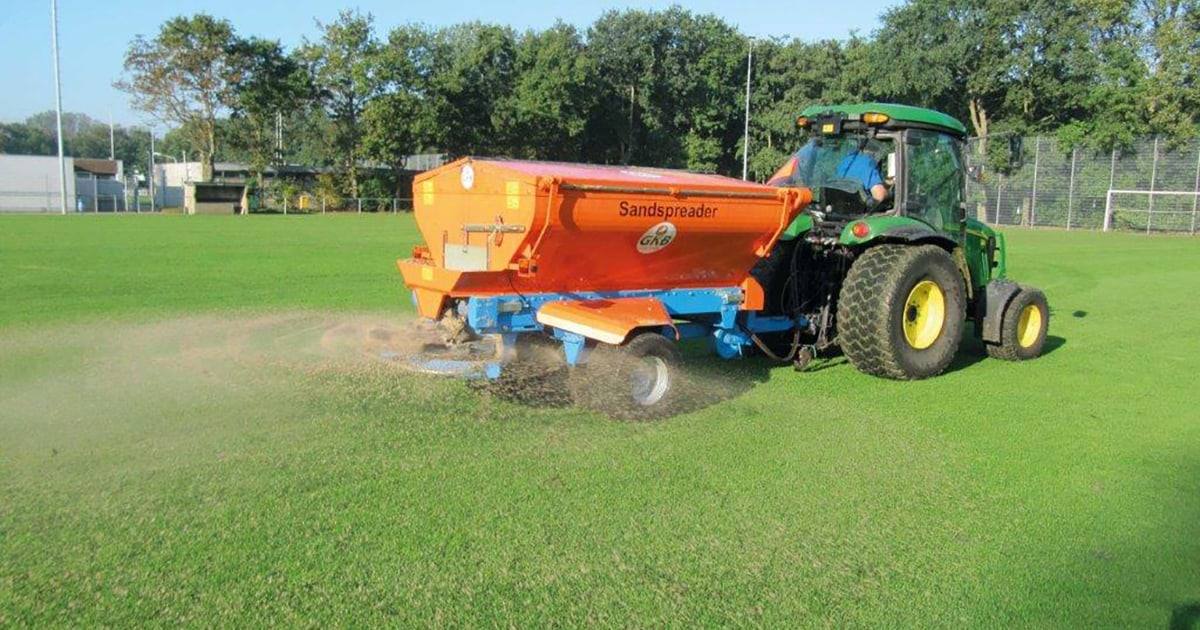
Turf Top Dressing
Even sand or soil dressing to level wear and improve drainage. Learn more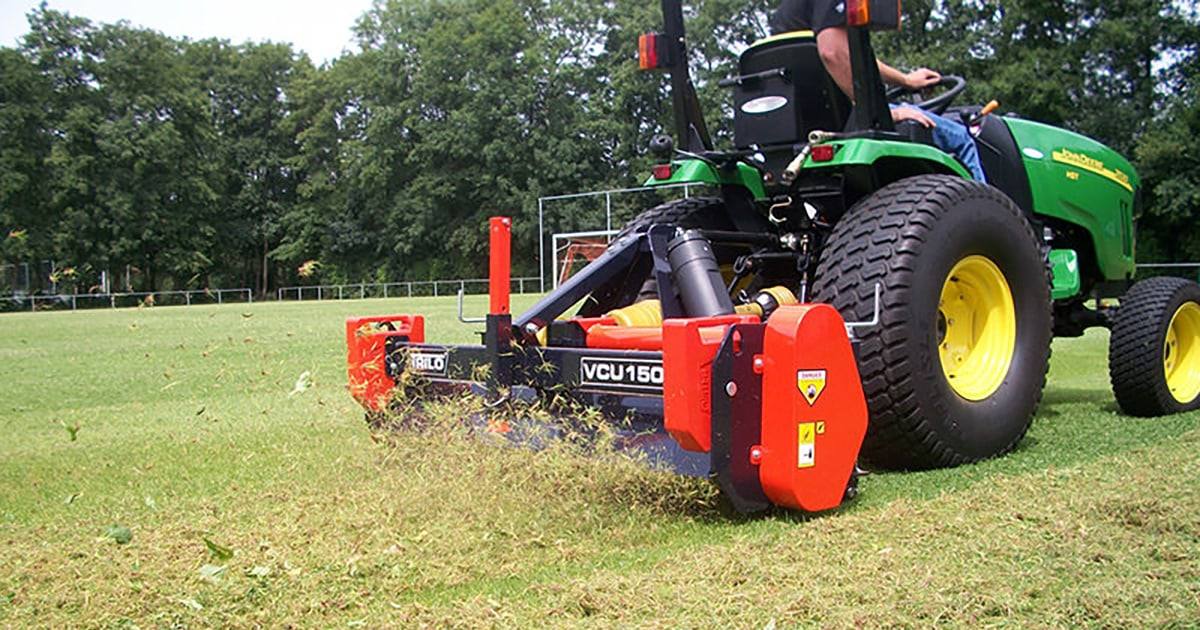
Commercial Scarifying
Removes thatch across whole fields so the surface plays true. Learn more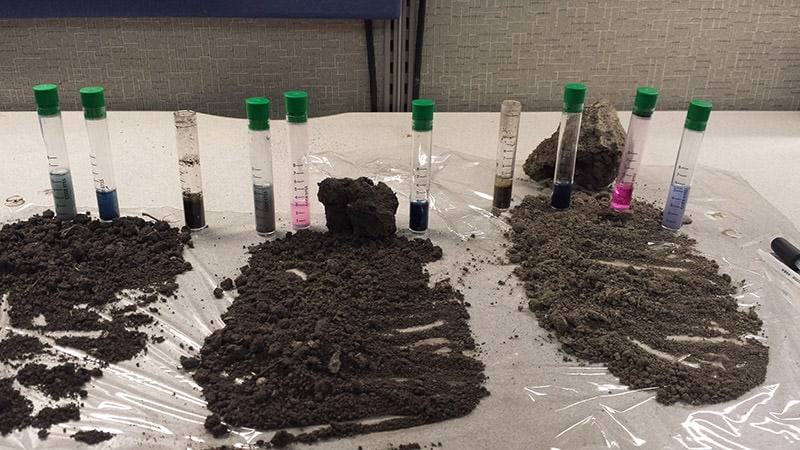
Turf Fertiliser
Programs built from soil test results, timed around the season. Learn more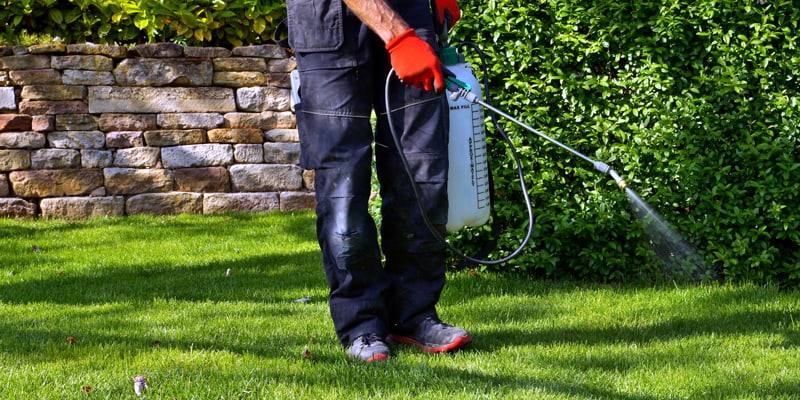
Commercial Weed Control
Keeps bindii, clover and grassy weeds out of playing surfaces. Learn more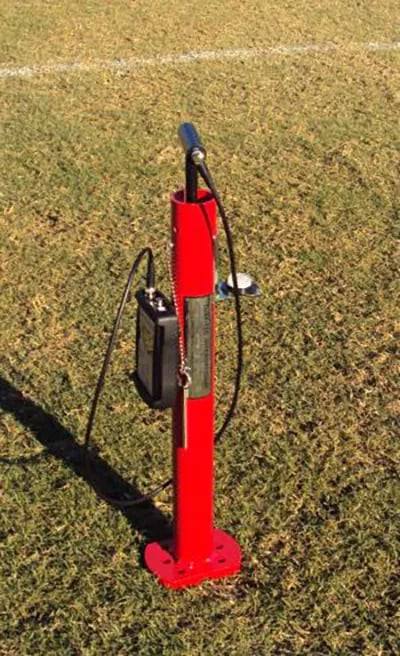
Clegg Hammer Testing
Surface hardness readings across the field, written up in a report. Learn more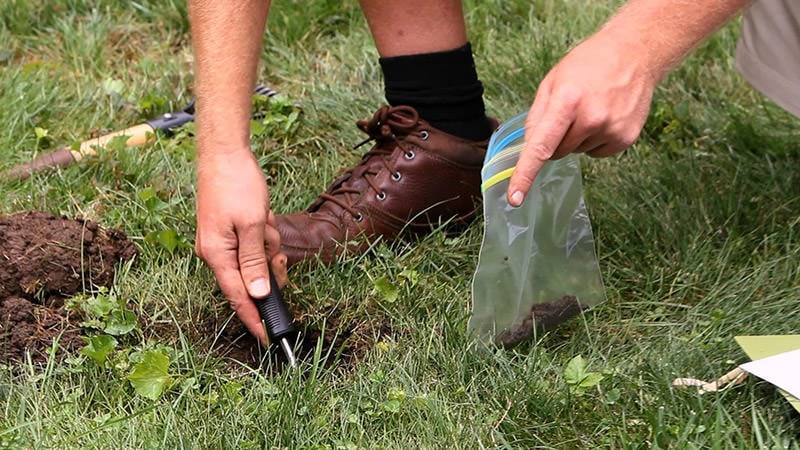
Soil Testing
pH and nutrient tests so fertiliser goes where it is actually needed. Learn more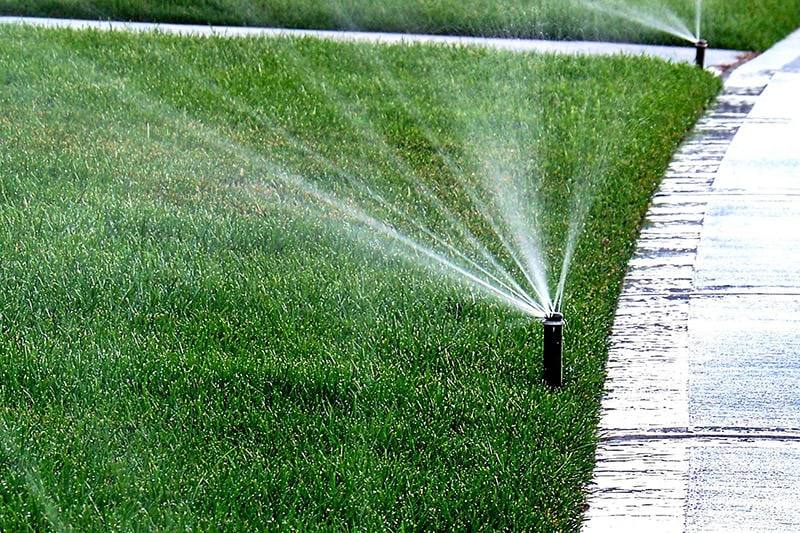
Turf Irrigation
Checks, repairs and upgrades so the whole field gets watered evenly. Learn more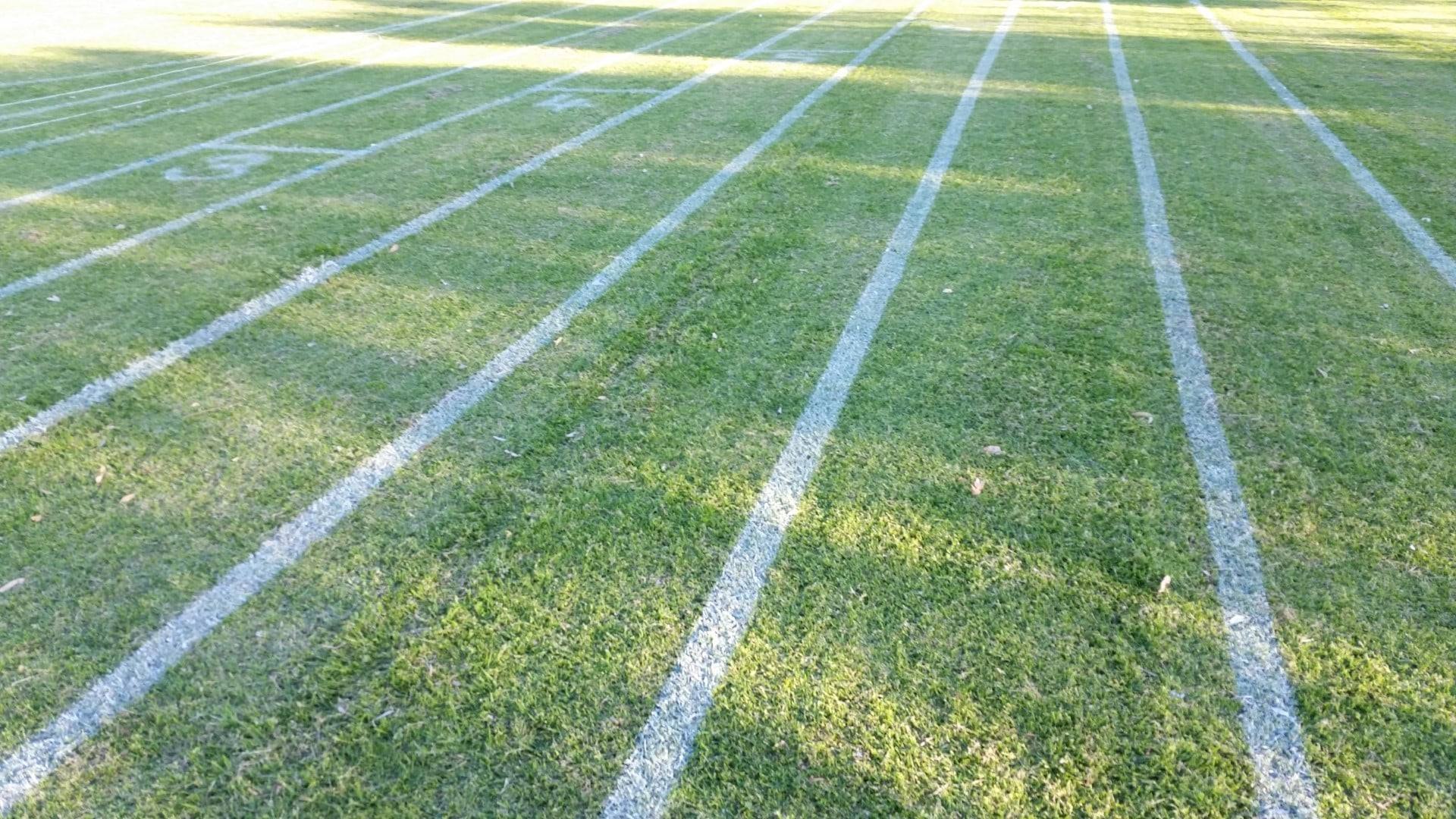
Sports field line marking
GPS-guided marking for football fields, AFL and cricket ovals, athletics tracks and school carnivals. Marking picks up from February for the autumn and winter season, so it pays to get pre-season and seasonal marking booked early.
Line marking servicesSetting next year's grounds budget?
Council and school budgets are often set months before the work starts. Tell us when yours closes and we'll work to that date, with the year's work and its cost laid out visit by visit.
Ongoing contracts, costed up front
A field holds up better on a steady program than on a rescue job every few years. A management contract puts the year's work on a calendar with a cost against it before the season starts, so there are no surprise invoices halfway through the budget year.
Year-round field management
- Aeration, scarifying and top dressing timed to your season
- A fertiliser program built from soil test results
- Weed control and irrigation checks
- Clegg hammer testing with written reports
- Line marking, if you need it
- Visits scheduled around fixtures, school terms and events
See how our turf management programs are put together.
One-off renovations and events
Not ready for a contract? We also take on single jobs where a field needs work now.
- A pre-season renovation before round one
- Recovery work on a field that's been let go
- Getting a ground ready for a carnival, gala day or event, with a hardness check, repairs to worn areas and fresh line marking
A single job is also a fair way to see our work before you commit to a program.
What does sports field maintenance cost?
Single jobs start from $220. Renovations and contracts are priced per field once we've seen it, because the cost depends on:
- The size of the field and how many fields are in the program
- Which works are needed: a coring pass costs far less than a full renovation
- Materials, especially the tonnes of sand for top dressing
- How much repair the surface needs
- Travel and scheduling for regional grounds
After the free onsite check you get the work laid out step by step with a firm price. For a contract, that price covers the year, so it can go straight into your budget.
Book a free onsite checkFor councils, schools, clubs and body corporates
Councils
Several grounds on one program, scheduled works and written reports that slot into your maintenance records. Contracts priced for the financial year.
School ovals
School oval maintenance fitted into the holidays and around carnivals, so the field is ready for PE, sport and events, at a cost the business manager can plan for.
Sporting clubs
A ground ready for round one in league, union, AFL, football or cricket, less work for volunteers, and reports you can take to the committee or the council that owns the field.
Body corporates
Shared ovals, playing fields and large open lawns kept safe and presentable, with the year's costs set ahead of the annual budget.
A family crew that tests the field first
- Diagnosis first, explained plainly. Clegg hammer readings, soil tests and a proper look at thatch, levels and drainage, then the work laid out step by step so it's easy to approve and budget for.
- Our own crew and machinery. A John Deere Aercore 800 corer, a 3 m³ tractor-towed sand spreader, a Metermatic Top Drop dresser and a GPS line marker.
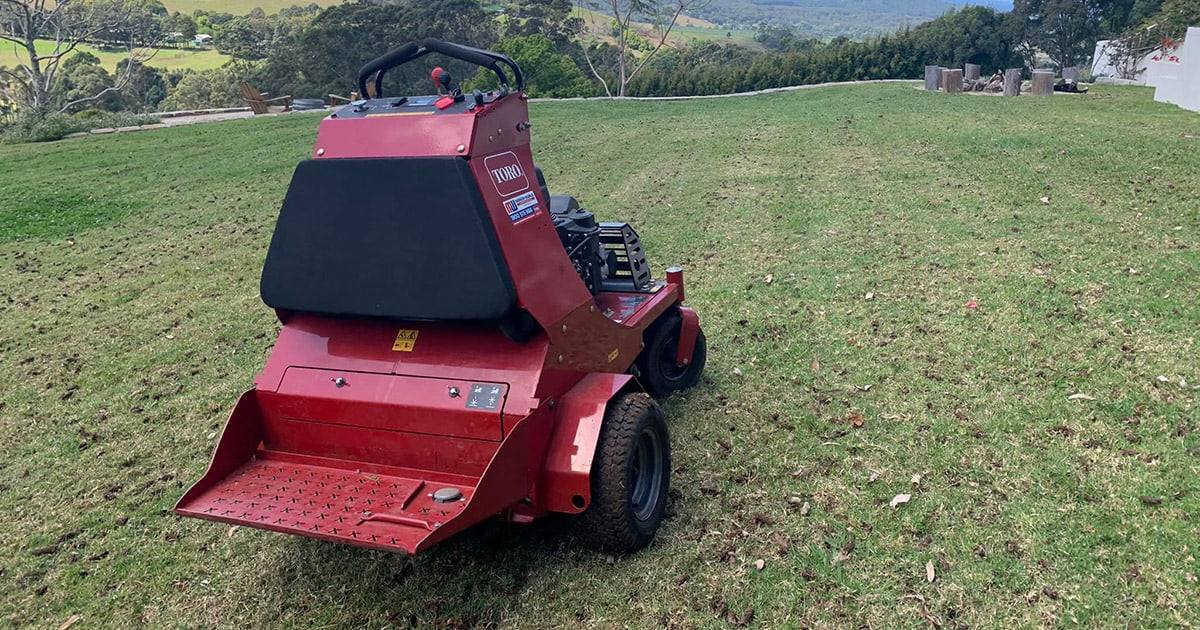
- The right machine for the site. Our Toro stand-on aerator gets into school grounds, courtyards and smaller fields where a tractor won't fit.
- Family-run, based in Beenleigh. We look after fields up to 400 km away, including Toowoomba, the Sunshine Coast and the Northern Rivers.
From first walk-over to a season-ready field
Free onsite check
We walk the field with you, take Clegg hammer readings, pull soil cores and look at wear, thatch, levels and drainage. Have your fixture list, upcoming events and irrigation layout handy.
Clear plan and price
You get what is wrong, the work that fixes it in order, the timing against your season and a firm price. A contract is costed for the whole year.
The work and the follow-up
Our crew brings the right gear, works around your fixtures and tells you how long to keep play off renovated areas. Hardness is retested afterwards so you can see the change.
Sports field maintenance questions
How much does sports field maintenance cost?
When is the best time to renovate an oval in South East Queensland?
How often should a sports field be aerated?
What is a Clegg hammer test?
Can you work around our fixtures, school terms and events?
How far do you travel for sports field work?
Book a free onsite check
Tell us about the field, your fixtures and when your budget closes. We'll arrange a time to walk it with you, then lay out the work and a firm price to suit your season. No charge, no obligation.
- Jobs from $220
- Homes within 100 km of Beenleigh
- Sports fields across South East QLD and Northern NSW