
Lawn renovation in Brisbane
Thin, patchy, spongy underfoot or bumpy to mow? When more water and fertiliser stop making a difference, the cause is usually thatch, compaction or uneven levels underneath. A renovation tackles all three, in the right order, while the grass is growing strongly.
- Family-run, based in Beenleigh
- Our own crew and machinery
- We diagnose before we price the work
- Jobs from $220
Does your lawn need renovating?
In South East Queensland the trouble usually sits below the leaves: a mat of old runners that sheds water, clay soil packed hard by feet, dogs and mowers, and low spots where the ground has settled. Mowing can't touch any of that, and extra fertiliser rarely gets past it.
- Thin, patchy grass that won't fill in, even through summer
- A spongy feel underfoot, or the mower scalping the high spots
- Water pooling on top or running off after rain
- Soil so hard a screwdriver won't go in, even when it's damp
- Bumps and hollows that make mowing a chore
- Weeds filling the gaps where the grass has given up
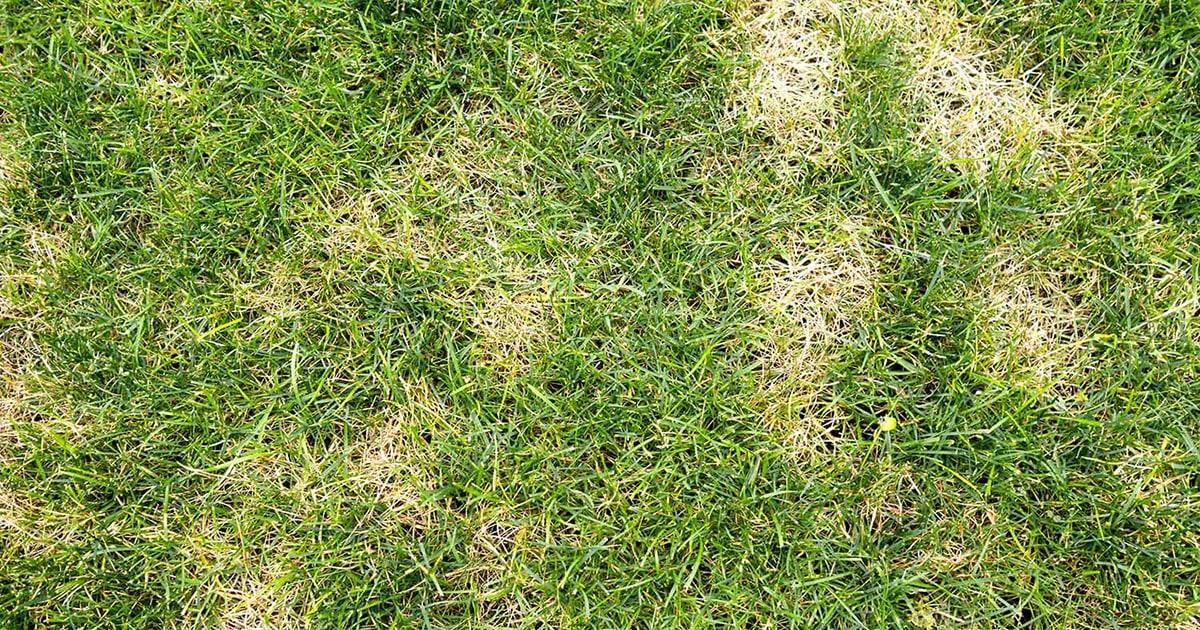
Dead, straw-coloured patches can be thatch, compaction, fungal disease or lawn grubs and other pests, and each needs a different fix. That's why we look before we price anything, and why any grubs get dealt with before a renovation, not after.
Only after one service? See all our residential lawn services.
Lawn looking tired after winter?
We'll check the thatch, the soil and the levels, tell you which renovation steps your lawn actually needs and give you a firm price. Jobs from $220.
The lawn renovation process, step by step
Four jobs done back to back, then a good watering-in. Each step sets up the next, so the order matters as much as the work.
-
Scarify
Vertical blades slice through the thatch and drag out dead runners, which are raked up and cleared off the lawn. Couch and kikuyu need this most. More on dethatching and scarifying.
-
Core
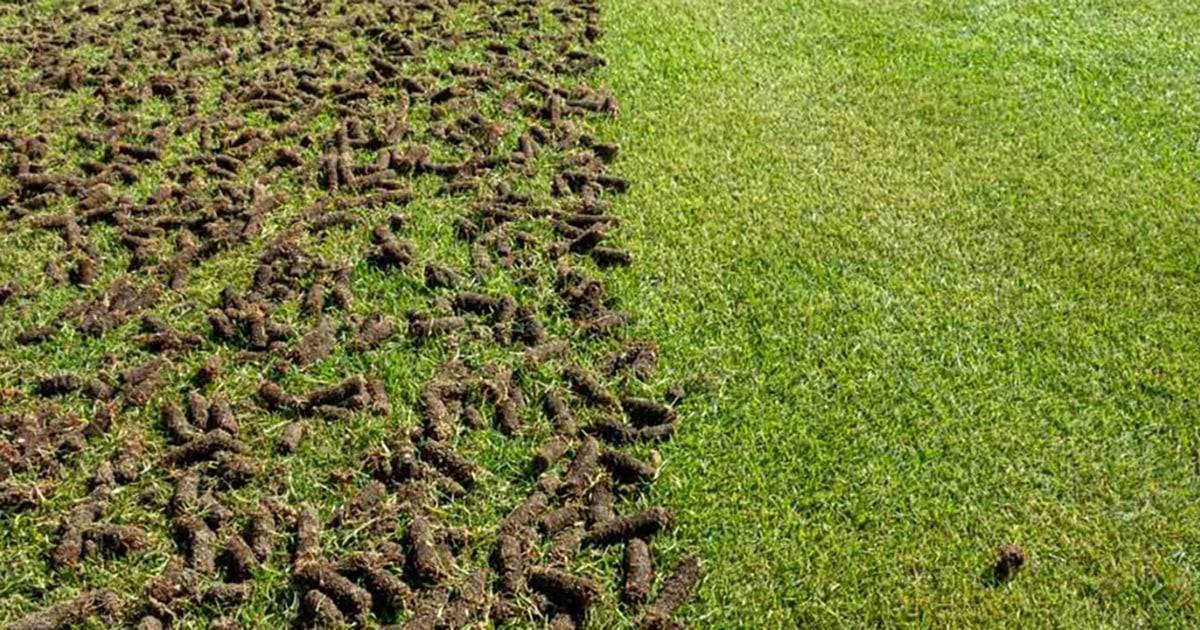
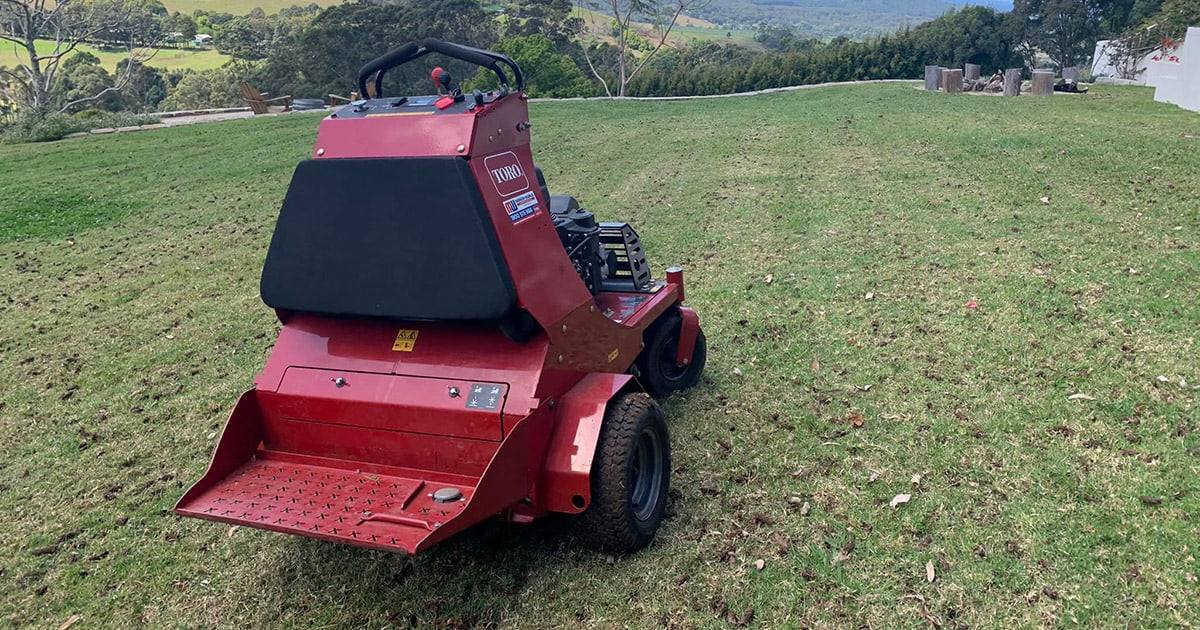
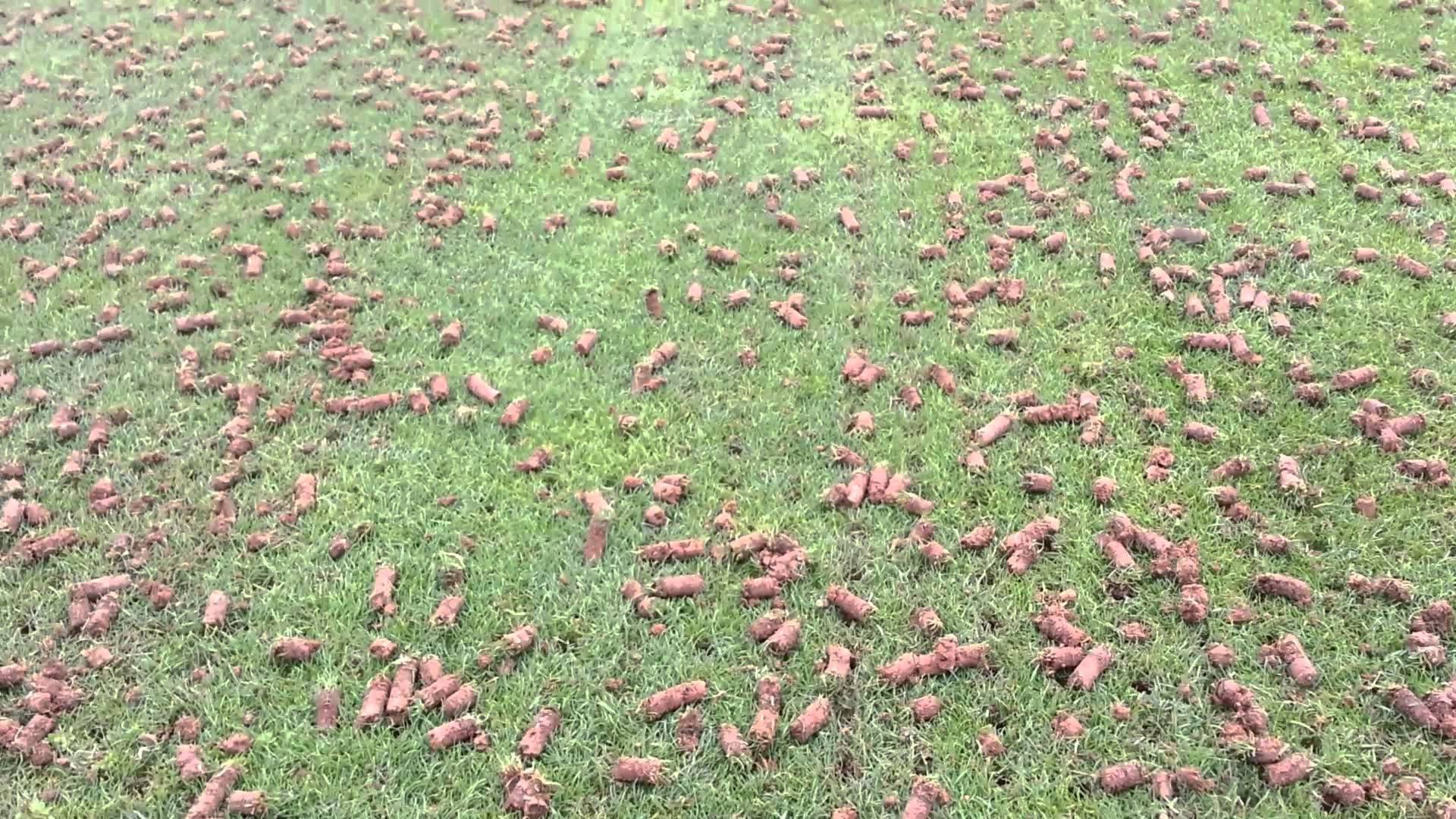
Hollow tines pull finger-sized plugs out of the compacted soil, opening channels for air, water and new roots. Our Toro stand-on aerator fits through most side gates. See how lawn coring works.
-
Feed
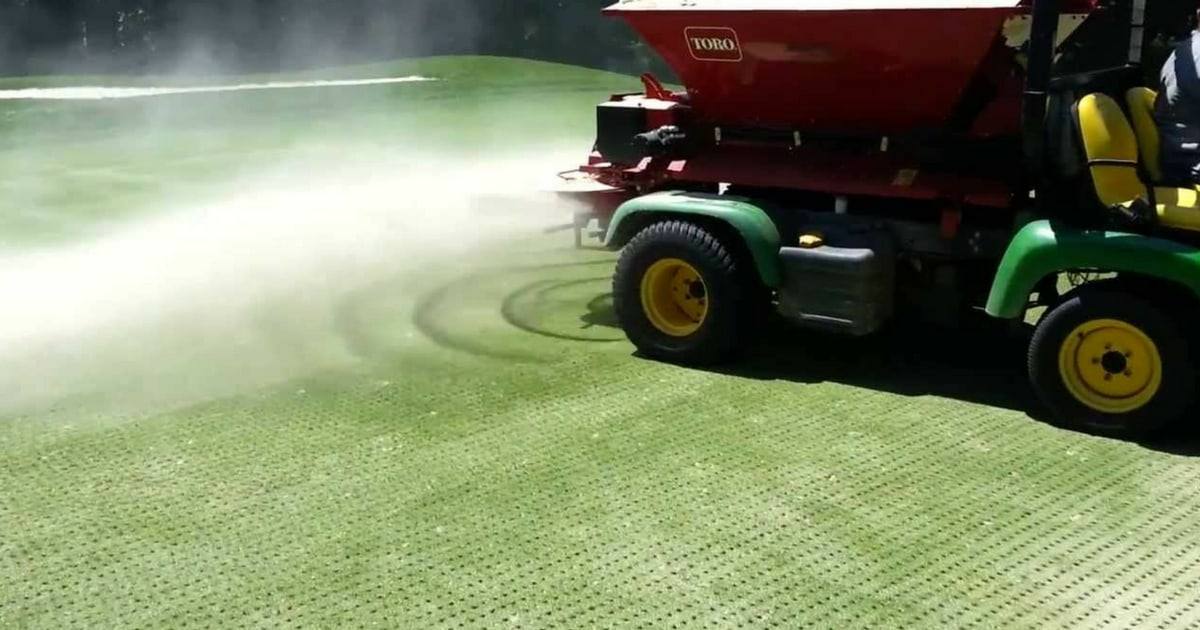
Granular fertiliser goes down while the core holes are open, so it drops into the root zone instead of sitting in the thatch. The blend suits your grass type and the season. Our lawn fertilising service explains more.
-
Top dress
A thin, even layer of dressing, usually a sandy loam blend on home lawns, is spread over the top and worked into the holes and hollows. It levels the surface, holds the fertiliser in place and builds better soil around the roots. Read about residential top dressing.
-
Water in
A good soak settles the dressing and starts dissolving the fertiliser. For the next week or two the dressing needs to stay moist while new shoots push through it.
Why the order matters
Top dress before scarifying and the blades rip the new material straight back out. Core through a thick mat and the tines spend half their depth in thatch instead of soil. Spread fertiliser over fresh dressing and it sits in sand above the roots, where the first storm can wash it onto the path. Our guide to top dressing and fertilising in the right order explains more.
When to renovate a lawn in Brisbane
Couch, kikuyu, buffalo and zoysia are warm-season grasses. A renovated lawn only recovers as fast as it grows, so timing decides how quickly it comes good.
- Sep to Dec
The best window
Warm soil, long days and strong growth, so the lawn recovers in weeks and goes into summer thicker. Spring is often dry, so plan on watering.
- Jan to Feb
Possible, with care
The grass grows fast, but heatwaves stress a freshly opened lawn and storms can wash the dressing around. Watering has to be spot on.
- Mar to Apr
Lighter work only
Growth is slowing. Coring a busy lawn early in autumn is fine, but a hard scarify may not recover before the cooler weather.
- May to Aug
Wait for spring
Warm-season grasses slow almost to a stop. Holes and scalped patches stay open all winter, and weeds get in before the grass does.
Spring is our busiest stretch, so book the onsite check early if you want the work done in this window. Our article on why and when to aerate covers timing grass by grass.
Getting ready, and the weeks that follow
Before renovation day
- Mow a day or two beforehand (we'll tell you the right height for your grass)
- Water deeply the day before so the tines get into the soil
- Mark sprinkler heads, irrigation lines and shallow cables
- Clear toys, hoses, furniture and pet mess off the lawn
- Tell us about narrow gates, steps or steep sections when you book
After renovation day
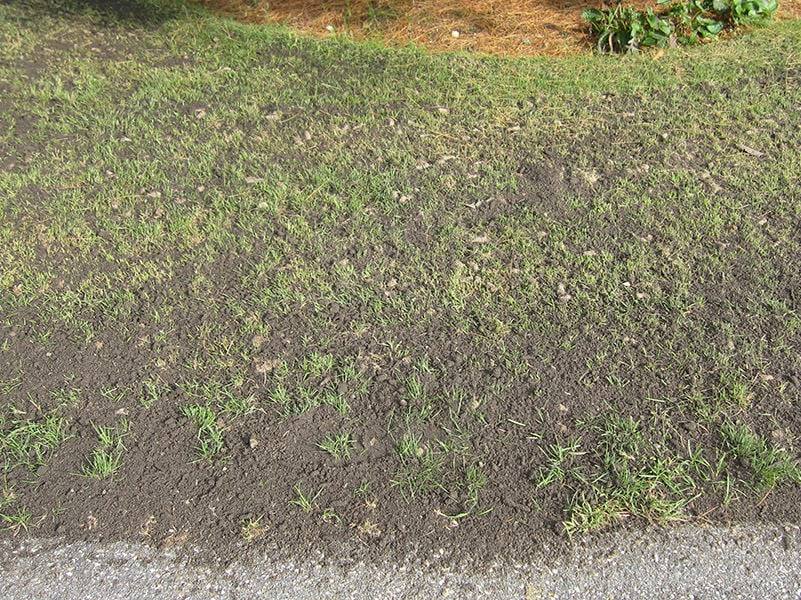
- First week or two: it looks rough. Water lightly and often to keep the dressing moist, and keep foot traffic off where you can
- Once the shoots are through: mow on a high setting for the first couple of cuts and switch to deeper, less frequent watering
- Weeks four to six: the lawn thickens and evens out, and you can go back to your normal mowing height
How much does lawn renovation cost?
Jobs start from $220. A full renovation costs more than a single service because it's several jobs done together. What moves the price:
- The size of the lawn
- Access for the machines: a clear side gate is quicker than steps, tight paths or a steep block
- How thick the thatch is and how compacted the soil is
- How much top dressing it takes to level the hollows
- Which steps your lawn actually needs
After the free onsite check you get the work laid out step by step with a firm price, before anything is booked.
Why book All Grass Solutions
- We diagnose first and explain what's actually wrong, in plain English
- We only price the steps your lawn needs, and tell you which ones it can skip
- Our own crew and machinery, from a stand-on aerator that fits most side gates to tractor-mounted gear for acreage
- Family-run and based in Beenleigh, covering homes within 100 km, including Logan, Brisbane Southside and the Gold Coast
From onsite check to renovated lawn
Free onsite check
We walk the lawn with you, check the thatch and how hard the soil is, find the low spots and look for grubs or disease.
Your plan and price
We explain what's wrong, which steps it needs and in what order, with a firm price. Jobs from $220.
Renovation day
Our crew does the work, cleans up and leaves you watering and mowing notes for the weeks after.
All our lawn services in Brisbane and surrounds
Each renovation step can be booked on its own, and we also deal with the weeds, grubs and pests that hold a lawn back. For homes and acreage within 100 km of Beenleigh.
Lawn Aeration
Breaks up compacted soil so water, air and fertiliser reach the roots again. Learn more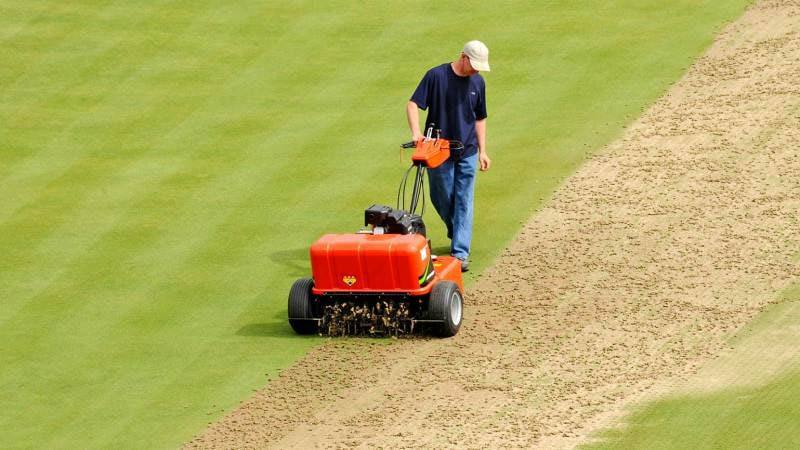
Lawn Coring
Hollow-tine coring pulls plugs of soil out of hard, heavily used lawns. Learn more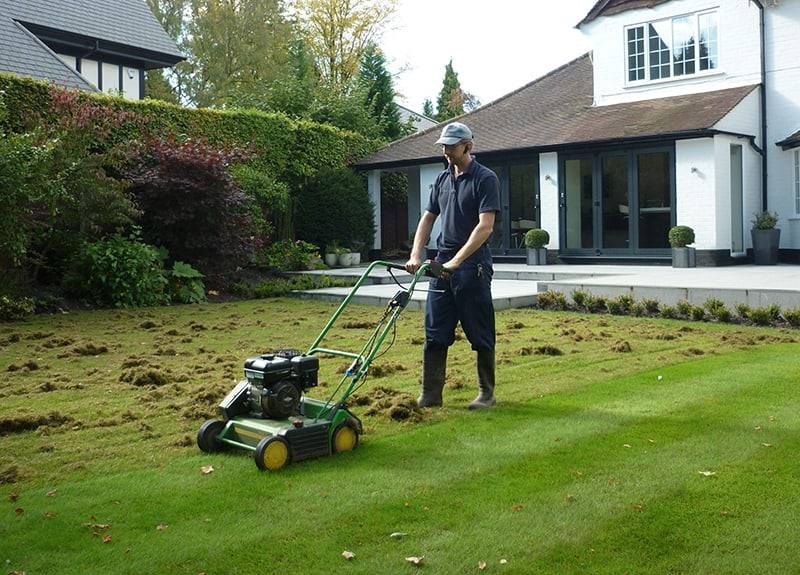
Dethatching & Scarifying
Cuts out the spongy thatch layer that chokes couch and kikuyu lawns. Learn more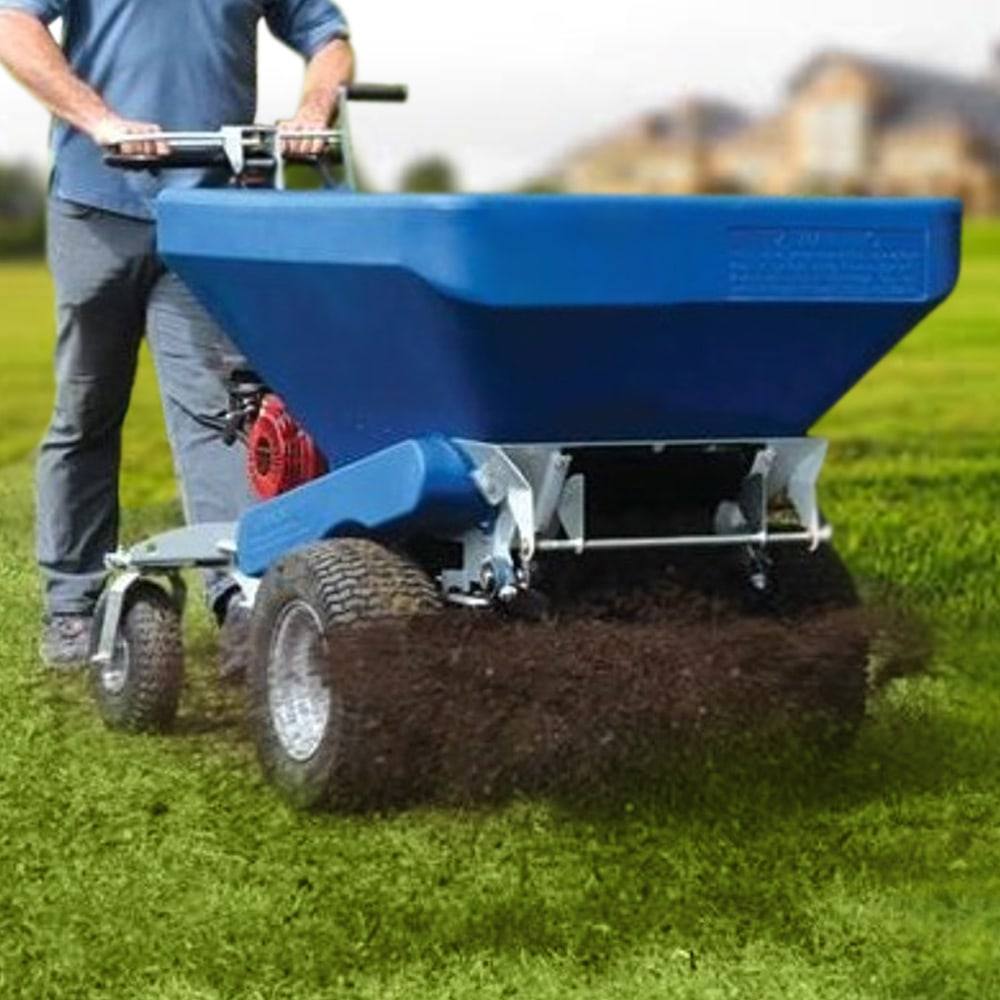
Top Dressing
Levels hollows and feeds the soil with an even layer, spread by machine. Learn more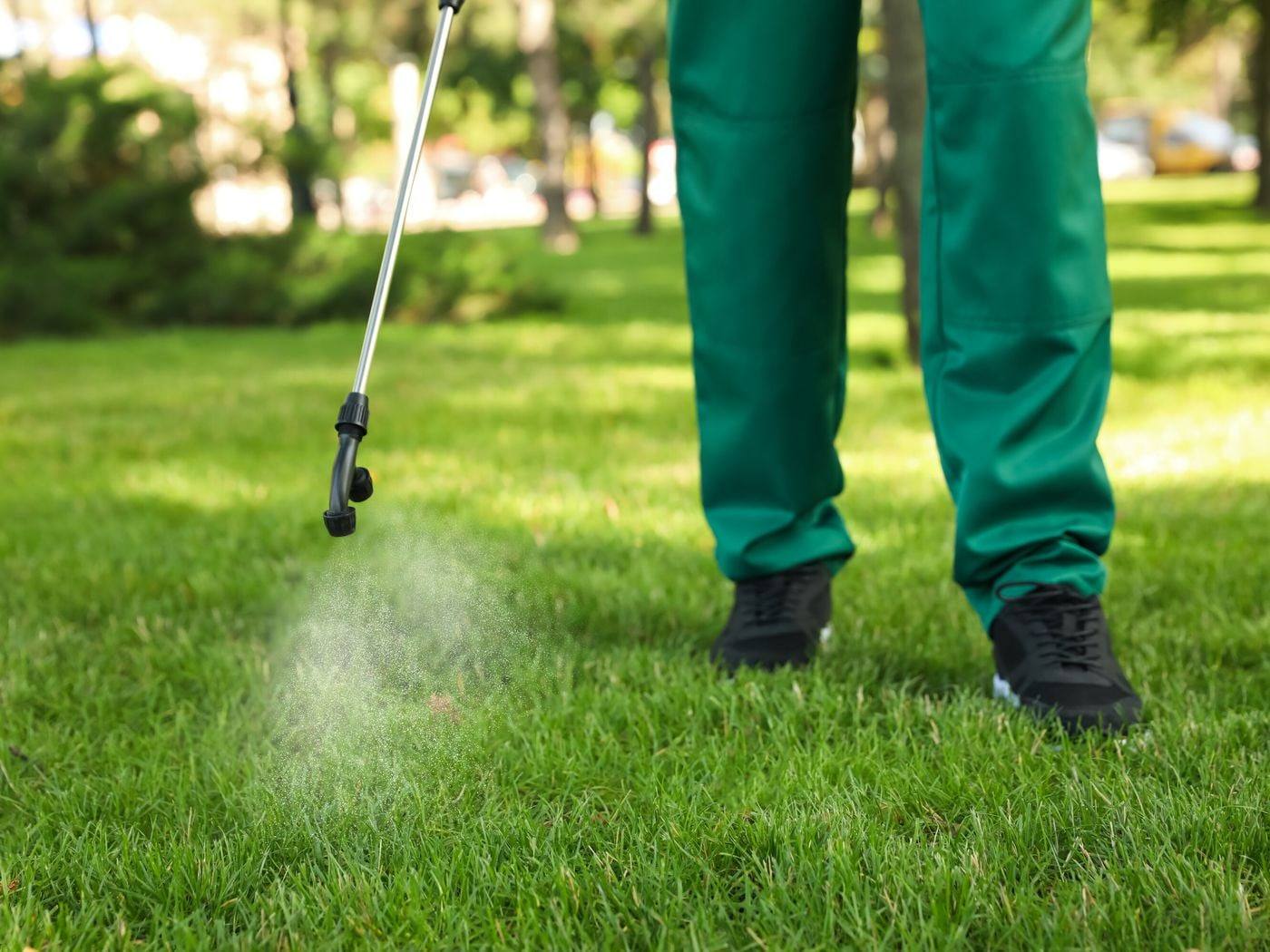
Lawn Fertilising
Seasonal feeding matched to your grass type and what the soil is short of. Learn more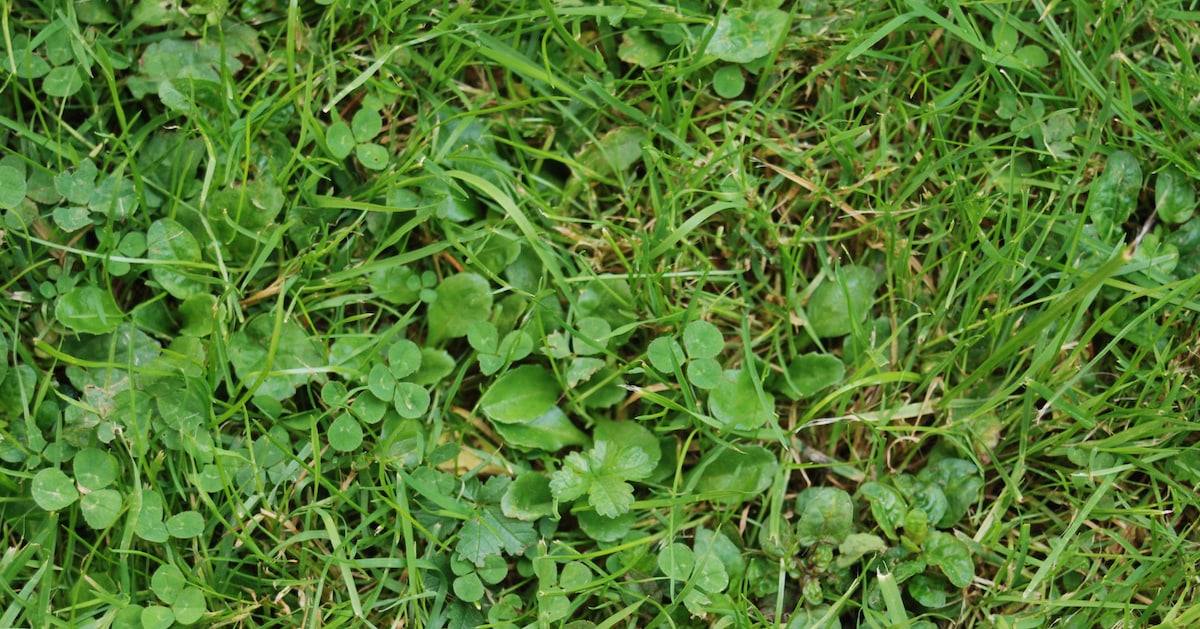
Weed Control
Targeted sprays for broadleaf and grassy weeds, plus pre-emergent to help hold back the next lot. Learn more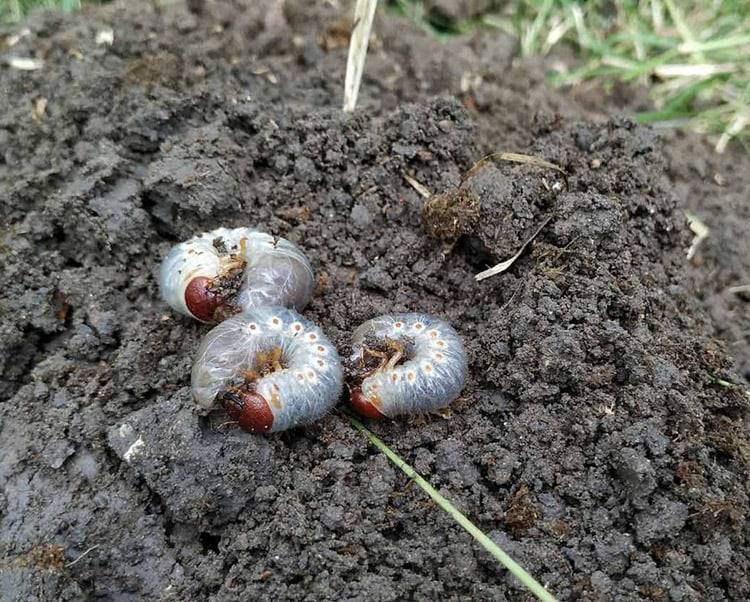
Grub & Pest Treatment
Finds and treats lawn grubs, armyworm and black beetle before they strip the lawn. Learn more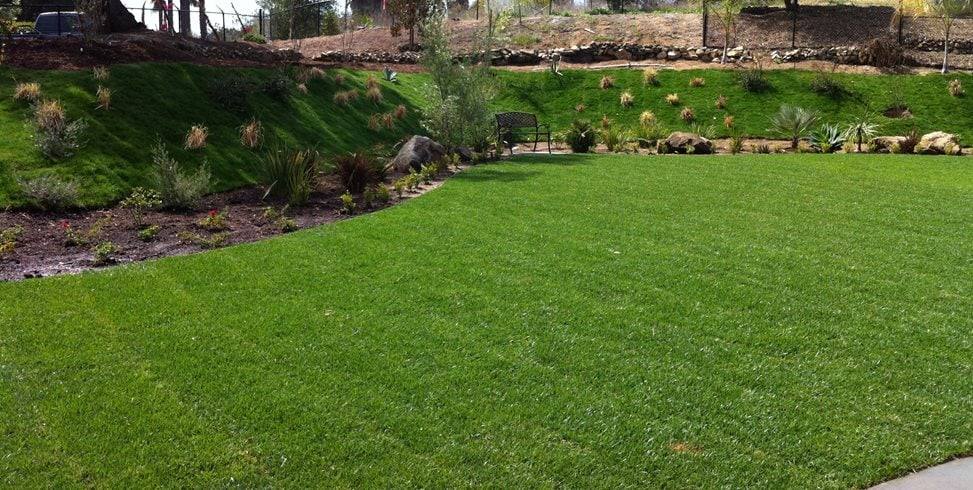
Regular Lawn Service
A year-round program of feeding, weed and pest control on a set schedule. Learn more
Lawn Maintenance
Ongoing care to keep a renovated lawn thick and healthy. Learn more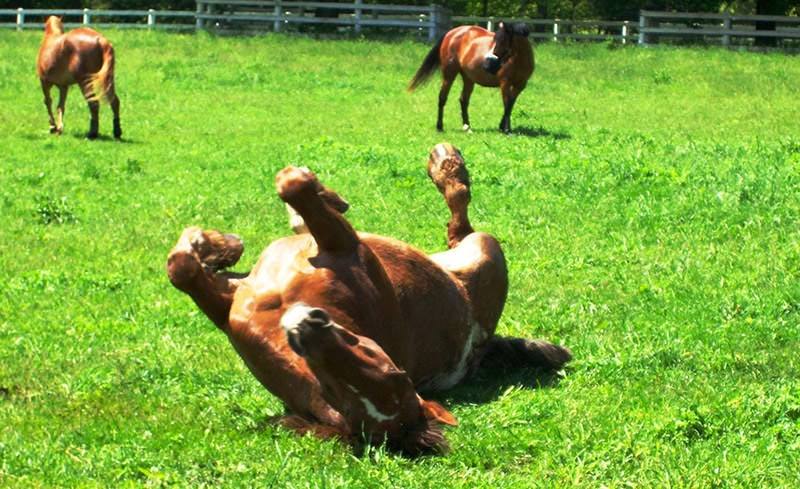
Horse Paddocks
Paddock aeration, weed control and feeding for better pasture on acreage. Learn moreLawn renovation questions
How much does lawn renovation cost in Brisbane?
When is the best time to renovate a lawn in Brisbane?
How long does a lawn take to recover after renovation?
How often does a lawn need renovating?
Can you renovate a buffalo lawn?
Should I renovate my lawn or re-turf it?
Book a free onsite check
We'll come out, look at the grass and the soil underneath, and tell you straight what's going on and what it'll take to fix. No charge, no pressure.
- Jobs from $220
- Homes within 100 km of Beenleigh
- Sports fields across South East QLD and Northern NSW