Mosquito lawn spray and other ways to cut mosquitoes in your Brisbane yard
A lawn spray is designed to reduce the mosquitoes resting around your house for a while, but it works best alongside getting rid of the water they breed in. Here's what to do around a South East Queensland yard, and what a spray can and can't do.
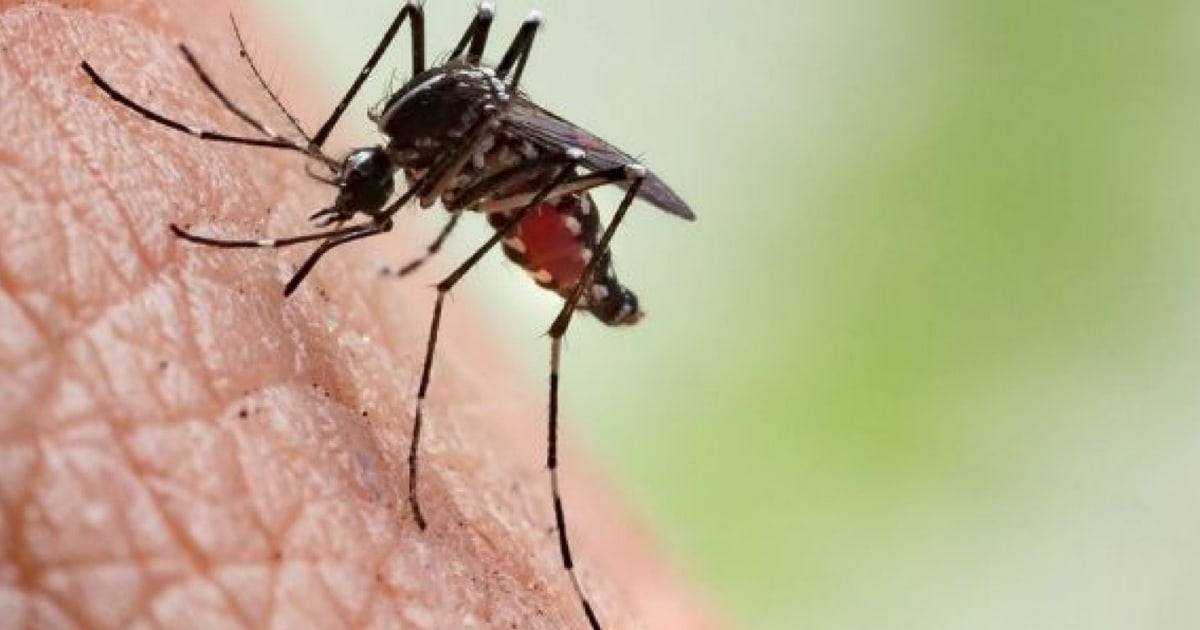
Step outside on a still summer evening anywhere from Logan to the Gold Coast and the mosquitoes find you within minutes. Warm nights, regular storms and plenty of standing water give them everything they need, and a backyard with long grass, dense shrubs and a few forgotten pot saucers makes a comfortable home. A mosquito lawn spray is designed to reduce the number resting around the house for a while, and it’s something we can do alongside our lawn pest treatment. But mosquitoes don’t breed in the grass itself, so a spray works best as one part of a plan that starts with the water they breed in.
Where the mosquitoes in your yard come from
Mosquitoes lay their eggs on or beside still water. The larvae, often called wrigglers, live in the water and can become biting adults in about a week in warm weather. It doesn’t take much: a blocked gutter or the saucer under a pot plant can keep up a steady supply all summer.
During the day, adult mosquitoes rest somewhere shady, sheltered and humid. Long grass, overgrown garden edges, dense shrubs, the space under a deck and piles of leaf litter all suit them. Many species feed mostly around dawn and dusk, which is when you notice them, but the common backyard container mosquito will also bite in shady spots during the day.
Not all of them are local, either. Some species breed in saltmarsh, mangroves and wetlands and travel several kilometres in search of a feed, so coastal suburbs get extra waves after high tides and heavy rain. Nothing you do in your own yard will stop those arriving, which is why it pays to be realistic about what a spray can do.
Start with the breeding sites
Getting rid of standing water is the most useful thing you can do, and it costs nothing. Walk around the yard once a week, and again after heavy rain, and check:
- pot plant saucers, buckets, wheelbarrows, kids’ toys and anything else that collects water; tip them out and store them upside down
- bird baths and pet water bowls; change the water every few days
- gutters and roof valleys, which hold water once they fill with leaves
- rainwater tanks, making sure the mesh screens on the inlet and overflow are intact
- pools and spas that aren’t being used; keep them chlorinated and circulating, or covered
- bromeliads and other plants that hold water in their centres; flush them out with the hose
- tarps, boat covers, trailers and old tyres
- low spots in the lawn where puddles sit for days after rain
Emptying water every week breaks the cycle, because larvae in that water never get the chance to become adults.
How your lawn affects mosquito numbers
A well-kept lawn gives mosquitoes very little. Long grass and overgrown edges give them somewhere to rest, ground that stays soggy can give them somewhere to breed, and each of those can be fixed.
Keep it mown and trimmed
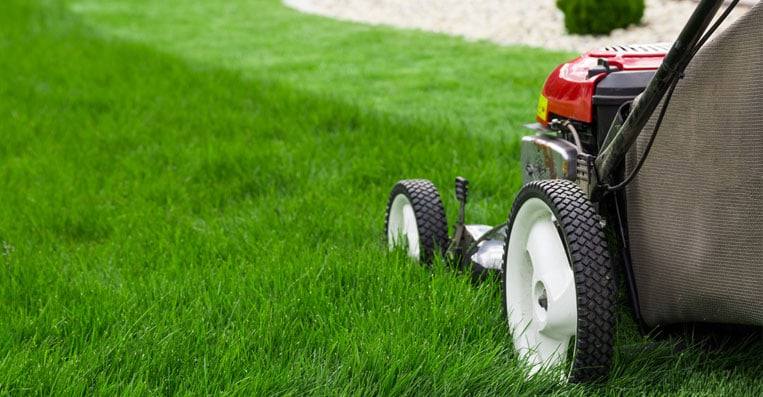
Mow regularly at the right height for your grass type, and trim the edges along fences, garden beds and under the clothesline where grass tends to get away. Don’t go too short, though. A scalped lawn thins out, lets weeds in and drains no better. Our grass maintenance tips cover mowing heights and timing for the common grasses.
Fix the soggy spots
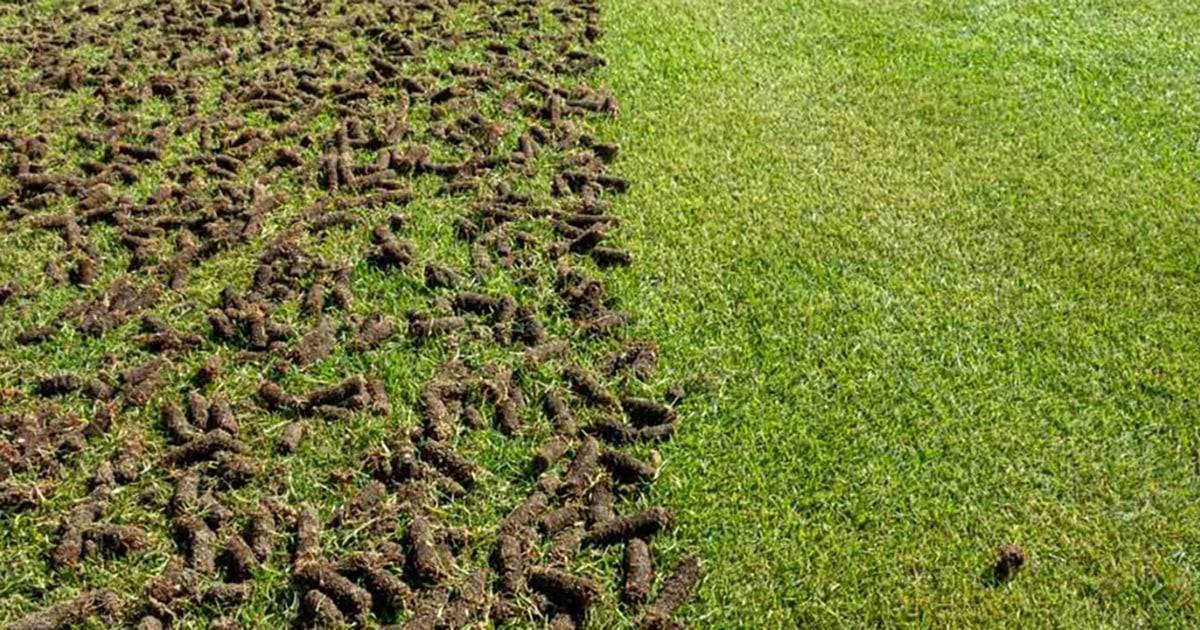
Puddles that hang around for more than a few days after rain are a breeding risk, and they usually point to compacted soil or low spots. Core aeration opens up hard, compacted ground so rain soaks in rather than sitting on top. Hollows that collect water can be built up gradually with top dressing until the surface drains evenly.
Water smarter
Water deeply and less often, early in the morning, rather than a little every evening. Check sprinklers aren’t spraying onto paths and into hollows, and fix leaking taps and irrigation fittings that keep one patch permanently wet. Our guide to watering and feeding your grass has more on getting the balance right.
Thin out the hiding places
Prune dense shrubs, rake up leaf litter and keep the space under decks and beside sheds tidy. More light and airflow means fewer cool, damp corners for mosquitoes to sit in during the day.
What a mosquito lawn spray can and can’t do
A mosquito lawn spray, sometimes called a barrier spray, goes on the lawn, garden edges, shrubs and other shady spots where adult mosquitoes rest. It’s designed to reduce the number of mosquitoes sitting in those areas for a period after treatment, which can make the backyard more pleasant over the peak of the season.
It also has limits, and it’s worth knowing them before you book:
- It can’t stop new arrivals. Mosquitoes keep flying in from neighbouring yards, parks, creeks and wetlands.
- It wears off. Rain, irrigation, mowing and sun all shorten how long you notice a difference, so it isn’t a once-a-season job. In a bad season a follow-up treatment may be needed.
- It doesn’t deal with breeding sites. If there’s standing water in the yard, new adults will keep emerging. Do the clean-up first, then spray.
Whoever does the spraying should keep it away from flowering plants that bees are working, fish ponds, water tanks and vegetable gardens, and tell you how long to keep children and pets off the treated area. If you’re doing it yourself with a hose-on product, read the whole label before you start and follow it exactly.
Getting help with mosquitoes and lawn pests
We can spray the lawn and garden edges for mosquitoes, either as a band around the house or across the whole block, on suburban yards and acreage. We’ll look for breeding spots and drainage problems first, because a spray on its own often disappoints if the water is still there. The same warm, humid months that bring mosquitoes also bring armyworm and curl grubs, so we check the lawn for those at the same time. Our guide to turf-eating insects explains what to look for.
If something is eating the lawn as well as you, our lawn pest treatment page covers how we find the pest and treat it. We look after homes within 100 km of Beenleigh, jobs start from $220, and every job begins with a free onsite check, so you know what’s worth doing and what it will cost before anything goes on.