Turf-eating insects: the lawn pests to watch for in South East Queensland
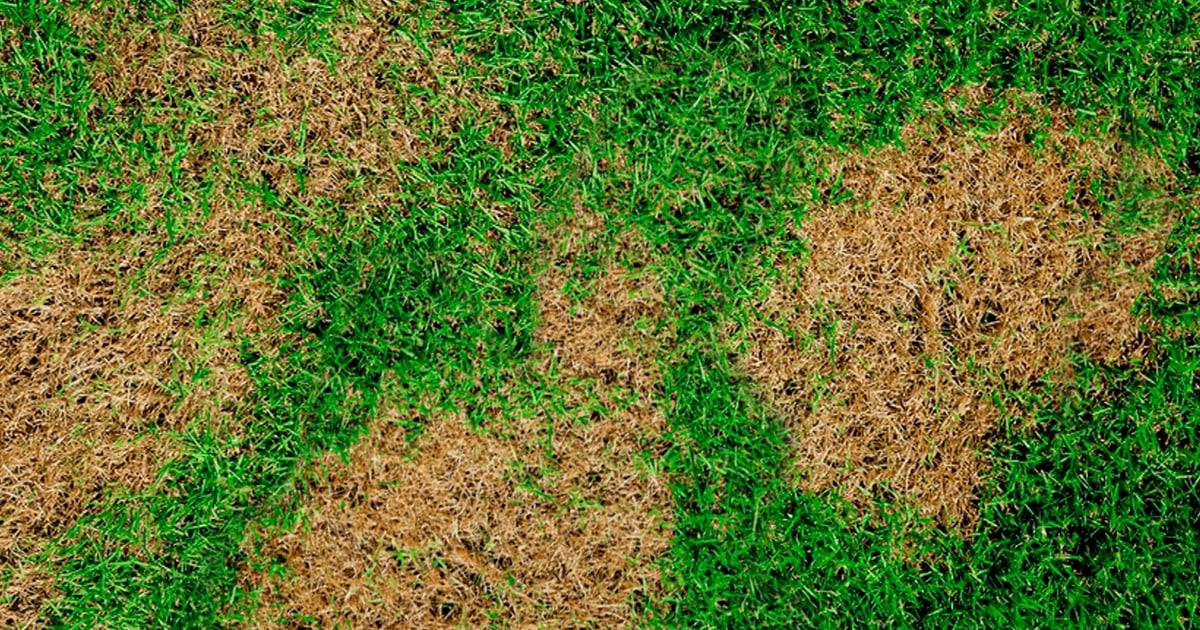
Brown patches that watering won't fix are often insects at work: armyworm, curl grubs, African black beetle, billbug, mole crickets or sod webworm. Here's how to tell them apart, when each one strikes in South East Queensland, and what it takes to get a lawn or field back.
Warm, humid summers make South East Queensland a great place to grow couch, kikuyu, buffalo and zoysia. They also suit a long list of insects that eat turf. Plenty of the brown patches that appear between late spring and autumn come down to a handful of them, and because each one feeds on a different part of the plant, the fix depends on knowing which you have. Working that out is the first thing we do on a lawn grub and pest treatment visit.
Where each pest feeds
Turf pests fall into three groups: leaf eaters, stem borers and root feeders. The group tells you a lot about what the damage looks like and how it’s treated.
| Pest | What it eats | When it’s worst in SEQ | Telltale sign |
|---|---|---|---|
| Lawn armyworm | Leaves | Late summer to autumn, often after rain | Lawn looks scalped, with a moving front |
| Sod webworm | Leaves | Summer to autumn | Ragged brown spots, small moths at dusk |
| Curl grubs | Roots | Late summer to autumn | Turf peels back like carpet |
| African black beetle | Roots (larvae), stems (adults) | Larvae summer to autumn, adults spring and autumn | Shiny black beetles at lights |
| Billbug | Stems, then roots | Spring and summer | Stems snap off with sawdust-like debris |
| Mole crickets | Roots, while tunnelling | Spring to autumn | Raised tunnels, spongy ground |
Lawn armyworm
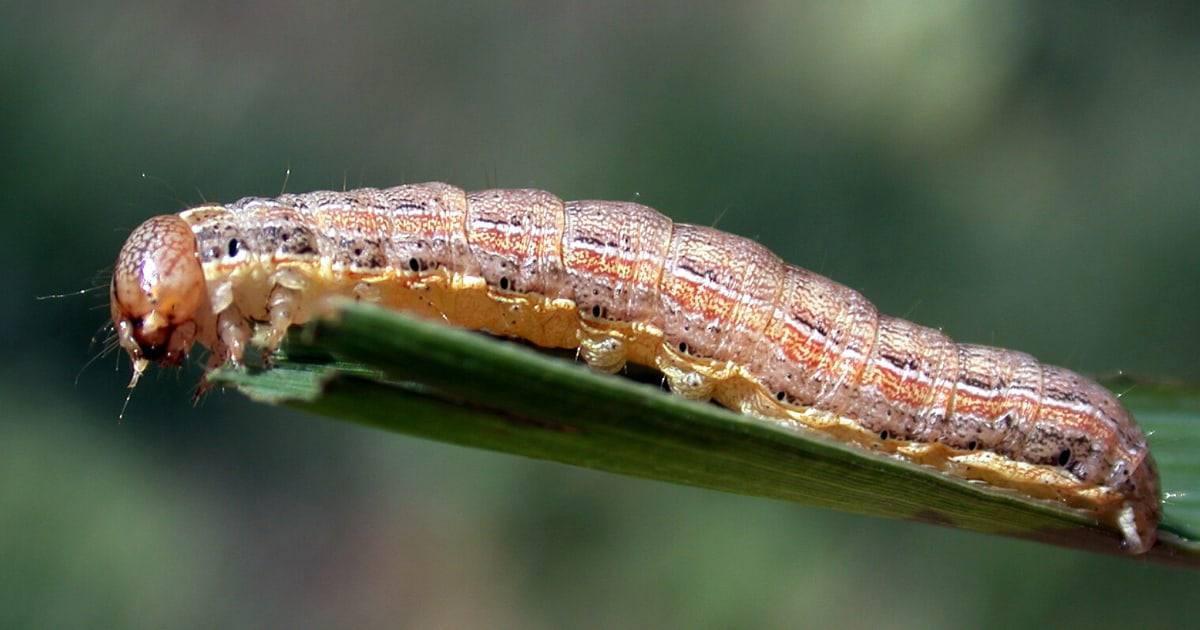
When a South East Queensland lawn goes from green to stubble in a few days, lawn armyworm is the usual suspect. The caterpillars are green to brown with pale stripes along the sides and grow to around 40 mm. They hide in the thatch by day and feed on the leaves from dusk, often in huge numbers, eating their way across a lawn as a front. A lawn can look fine on Monday and scalped by the weekend.
Outbreaks are most common from late summer into autumn and often follow rain after a dry spell. Watch for moths around the lawn at dusk, birds suddenly flocking to the grass, and small green-brown droppings in the thatch. The good news is that armyworm eats the leaves rather than the runners, so a healthy lawn usually greens up again within a few weeks once the feeding stops.
Sod webworm
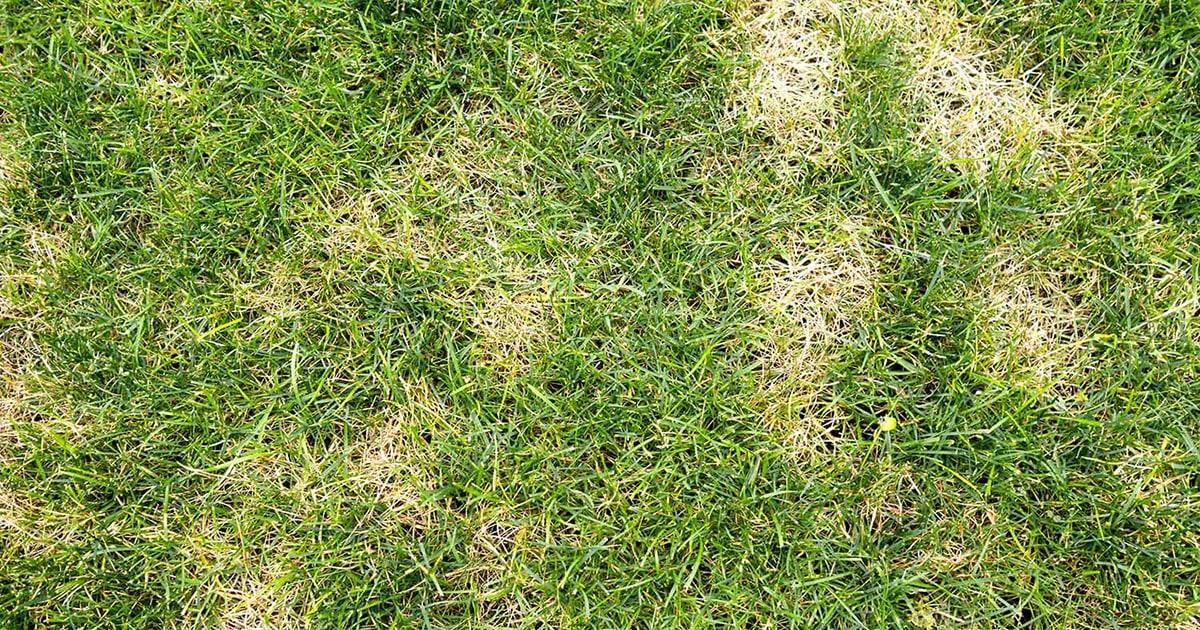
Sod webworm caterpillars are smaller, up to about 20 mm, and shelter by day in silk-lined burrows down in the thatch, feeding on the leaf blades after dark. The first damage is a scatter of small, ragged brown spots that merge into larger patches, and the leaf blades look notched rather than cleanly cut. Small buff-coloured moths flitting low over the lawn in short zigzags at dusk are a giveaway. A thick layer of thatch gives webworm ideal cover, so dethatching is part of the long-term fix.
Curl grubs
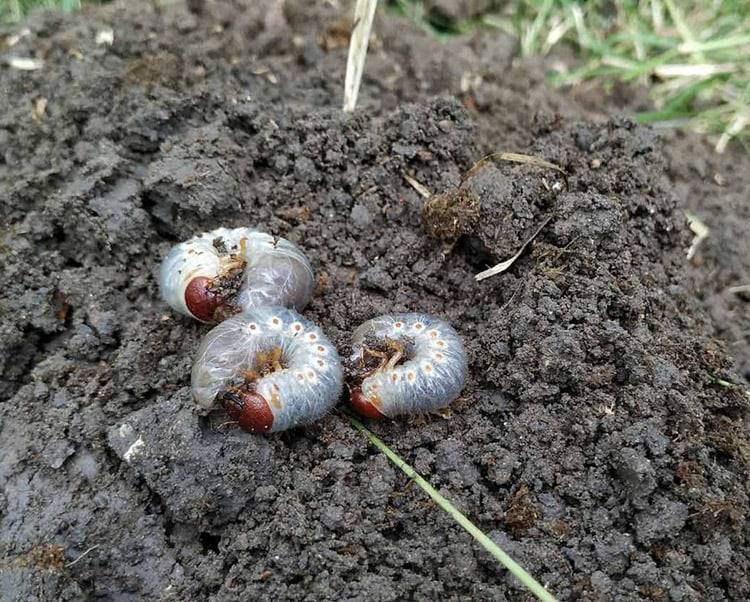
Curl grubs are the larvae of scarab beetles, including African black beetle and several native species. They’re creamy white and C-shaped with a brown head, and they live in the top few centimetres of soil eating the roots. Because the damage happens underground, the first sign is often a patch that looks drought-stressed however much you water it. Pull at the turf and it lifts like carpet, with grubs curled in the soil underneath. Birds and bandicoots digging in the same spot is another clue. Our article on the signs your lawn has grubs explains how to confirm them and what natural control can do.
African black beetle
African black beetle earns its own entry because both stages cause trouble. The glossy black adults, about 10 to 15 mm long, fly on warm spring and autumn evenings, gather around lights and in pools, and chew grass stems at ground level, which is hard on newly laid turf. Their larvae are curl grubs that feed on roots through summer and do the most damage from late summer into autumn. Our African black beetle guide covers the life cycle and when control works best.
Billbug
Billbugs are small weevils, dark brown to black with a distinctive snout, up to about 10 mm long. Their larvae are legless white grubs with a brown head that feed inside the grass stems before moving down to the roots and runners. Couch and kikuyu are common targets. The damage shows as patches that brown off and thin out, easily mistaken for drought. Try a tug test: if the stems snap off at the base and come away with fine, sawdust-like debris, billbug larvae are the likely cause.
Mole crickets
Mole crickets are less common in home lawns than the others, but they do turn up in sandy soils and on sand-based sports fields. They’re brown, velvety insects up to about 40 mm long with shovel-like front legs, and they tunnel just under the surface at night, feeding on roots and loosening the soil as they go. Look for raised, winding ridges, small mounds of loose soil, and turf that feels spongy and dries out quickly. A soap flush brings them to the surface.
How to tell which pest you have
Three simple checks narrow it down.
- Soap flush. Stir a good squirt of dishwashing liquid into a watering can and pour it over a square metre of fresh damage. Caterpillars and mole crickets come to the surface within about ten minutes.
- Dig test. Fold back a spade-sized square of turf and crumble the top few centimetres of soil to look for curl grubs.
- Tug test. Pull on the grass at the edge of the damage. Turf that lifts away without roots points to curl grubs. Stems that snap at the base with sawdust-like debris point to billbug.
Rule out dry patch, dog urine, mower scalping and lawn fungal diseases as well, since they can all look similar from a distance.
Turf pests on sports fields and ovals
Sports fields face the same insects, usually on a bigger scale. Most fields in South East Queensland are couch, which armyworm, curl grubs and billbug all feed on, and sand-based fields suit mole crickets. Root feeders loosen the surface, which changes how it plays and can leave uneven, soft footing, while an armyworm outbreak can strip a field in the week before a fixture. Checking the turf regularly through the warmer months, as part of ongoing sports field management, catches an outbreak while it’s a few patches rather than half the field. Our turf management service for councils, schools and clubs builds pest checks into the summer program alongside feeding, aeration and top dressing.
How turf pests are treated
Each pest on this list feeds in a different place, so treatment starts with identification.
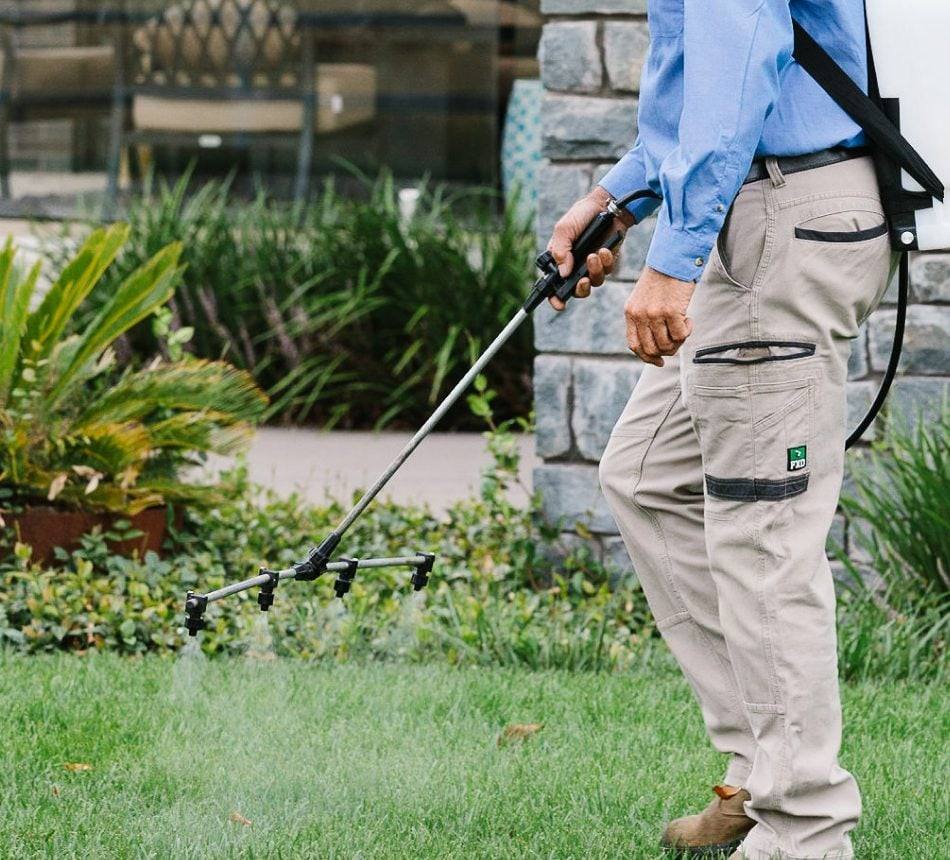
- Leaf feeders such as armyworm and webworm are treated on the grass, where they eat.
- Root and soil feeders such as curl grubs, billbug larvae and mole crickets need a treatment watered into the root zone.
- Timing matters. Young larvae are easier to stop than mature ones, which is why early checks pay off.
- Bees come first. If clover or other flowering weeds are in bloom, mow them before any insecticide goes on, so bees aren’t foraging in the treated area.
- Kids and pets keep off the treated area until it’s dry or watered in, as we direct on the day.
We treat the affected area and a margin around it rather than blanket-spraying a whole yard. No treatment can stop moths and beetles flying in later, so we also tell you what to keep an eye on.
Getting turf back after pests
Warm-season grasses are tough. Once the feeding stops, couch, kikuyu, buffalo and zoysia rebuild from their runners, and damage from leaf feeders is often hard to spot a few weeks later. Damage from root feeders takes longer. Deep watering, a lawn feed once the pests are under control and a light top dressing over thin areas all speed up recovery. A dense, healthy lawn won’t keep insects away, but it can take a lot more feeding before the damage shows.
Brown patches you can’t explain? Our lawn grub and pest treatment service covers homes within 100 km of Beenleigh, and we look after sports fields and ovals within 400 km, across South East Queensland and Northern NSW. Every job starts with a free onsite check: we find the pest, explain what’s going on and give you a firm price before anything goes on the turf.