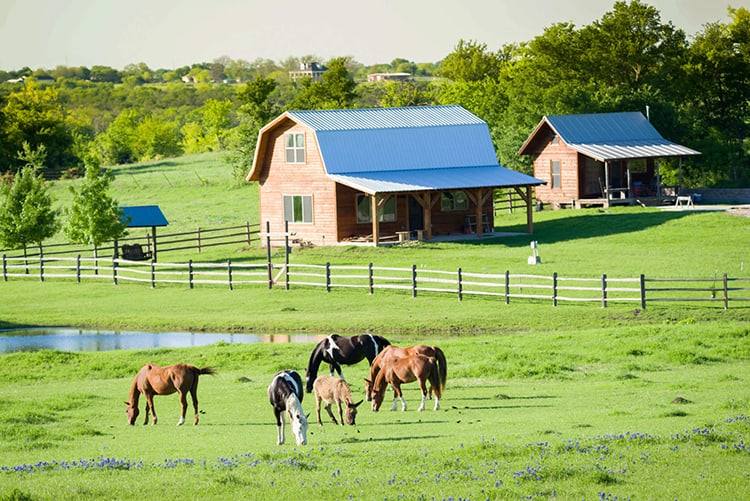
Pasture management for horse paddocks in South East Queensland
Good pasture management keeps more grass in front of your horses and less hay in the shed. Here's how to rest, renovate and look after a horse paddock in South East Queensland, and where aeration, seeding and feeding fit in.
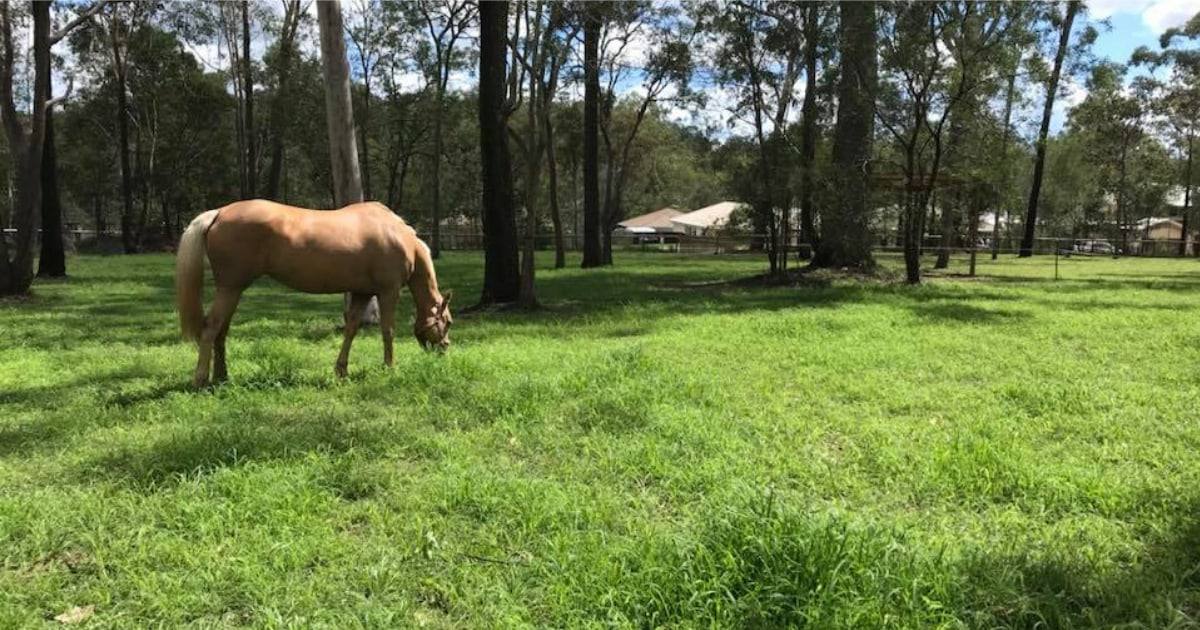
After a long dry spell, most horse paddocks around Logan, the Scenic Rim and the Gold Coast hinterland look much the same: bare tracks along the fence, dust around the trough, a few rank clumps the horses won’t touch and not much in between. The hay bill climbs, and when the rain finally comes it runs straight off the hard ground. Pasture management is how you break that cycle, on five acres or five hundred. It’s also the thinking behind our horse paddock maintenance service: fix the ground first, then manage the grazing so the grass has a chance to hold.
What good pasture management looks like
A well-managed paddock isn’t necessarily lush. It’s one where the ground stays covered most of the year, the soil soaks up rain instead of shedding it, and the horses graze it evenly instead of hammering their favourite patches. Get those right and the paddock grows more feed for longer, and grass in the paddock is the cheapest feed your horses will ever eat.
It comes down to four jobs:
- Rest: time for the grass to recover between grazings.
- Soil: open, fed and at the right pH, so roots can grow.
- Cover: grass on bare ground before weeds and erosion take it.
- Weeds: found early and kept in check, especially those harmful to horses.
Start with spelling and rotation
Spelling a paddock, which means taking the horses off so the grass can regrow, does more for pasture than anything you can spread on it. Horses graze close to the ground and keep returning to the same sweet regrowth, so a paddock grazed without a break never builds up the leaf it needs to recover.
A few habits make a big difference:
- Split larger paddocks with electric tape so at least one section is always resting.
- Move the horses on when the grass is down to about 5 cm, and bring them back once it has recovered to 10 to 15 cm.
- Use a sacrifice yard or small laneway in wet weather and droughts, so hooves aren’t pugging or stripping the whole paddock.
- Keep numbers realistic. If the paddock can’t carry the horses without constant hand feeding, the grass will lose every time.
A resting paddock is also the natural place for renovation work: the horses are already off and new growth can establish without being eaten.
Prepare in the dry, act when the rain comes
In South East Queensland, paddock work pays off best after a good soaking, from late spring through summer, when warm-season pasture is growing hard. The trick is to be ready before the rain arrives, so the best weeks of growth aren’t lost to organising.
While you’re waiting:
- Fence off the area you plan to treat, so it starts resting now and the horses stop packing it down further.
- Clear the ground. Pick up branches, sticks, old wire and rubbish so machinery can reach every corner.
- Make a start on weeds. Dealing with the worst of them now means less competition for the new grass later.
- Line up the work. Book your onsite check early, because everyone with a paddock wants the same few weeks after the first big storms.
Then wait for the ground to soften. A simple test: push a butter knife into the soil. If it slides in about 10 cm without a fight, the paddock is ready for aeration. If you can irrigate, you can get it there yourself.
Aeration: opening up hoof-packed ground
Horses are heavy, and all that weight lands on four small hooves. Over time the topsoil under tracks, gateways, troughs and feed areas packs into a hard layer that sheds water and keeps roots shallow. That’s why so many paddocks green up for a week after rain, then brown off again.
Aeration breaks that layer up. Tines punch into the ground and fracture the soil, so rain, air and fertiliser can get down to the roots, and the roots follow them deeper. Deeper roots mean pasture that hangs on longer into the next dry spell.
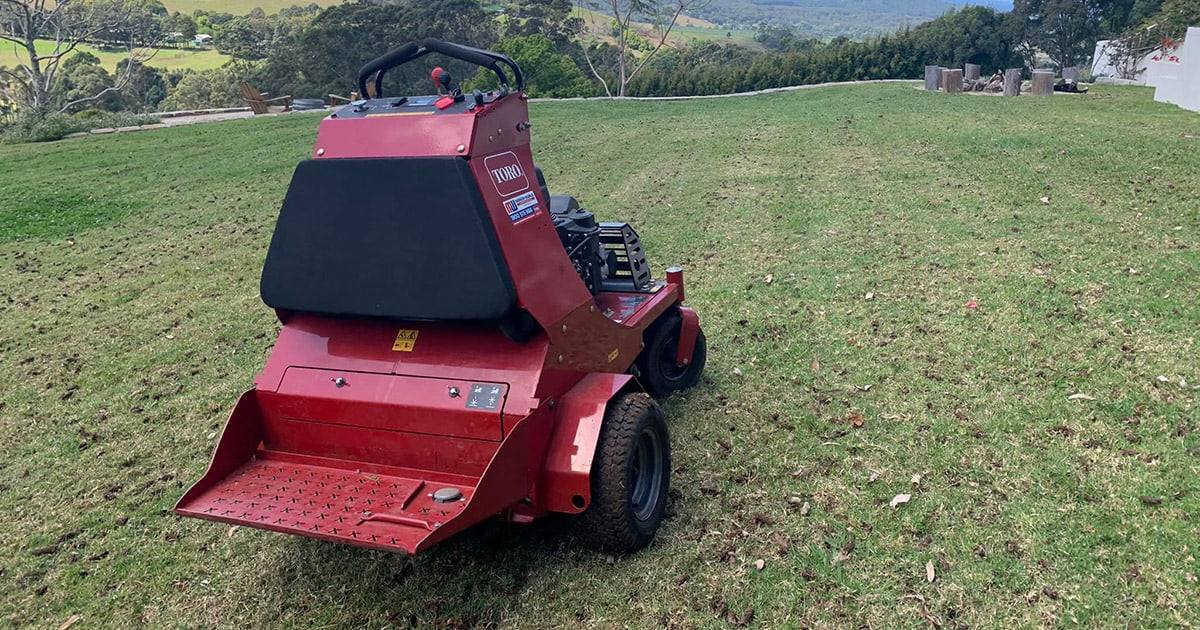
Open paddocks get tractor-mounted gear so large areas are covered quickly. House paddocks, yards and awkward corners suit our compact stand-on aerator, which fits through most gateways. The mechanics are the same as on a home lawn: see how core aeration works.
Test the soil before you spend on it
Fertiliser and seed aren’t cheap, and spreading them on soil that can’t use them wastes both. A soil test shows the pH and what the paddock is short of, so the amendments match the actual problem.
Two findings come up often on South East Queensland acreage:
- Acidic soil. Many paddocks run acidic, which locks up nutrients and holds pasture back. Lime raises the pH, but it works slowly, so it pays to find out early.
- Heavy, poorly structured clay. Some clays, particularly sodic ones, set hard and seal over as they dry. Gypsum can help them hold their structure, and a test tells you whether it’s worth applying.
Our soil testing service can sample paddocks as well as lawns, and the results set the fertiliser rate.
Over-seed while the ground is open
Straight after aeration is the best time to sow seed into thin and bare areas. Seed that drops into freshly fractured soil gets far better contact with moisture than seed scattered on a hard crust, and a light harrow or drag afterwards covers it and smooths the surface.
Choose the seed with horses in mind. Some tropical pasture grasses grown in Queensland, including setaria, kikuyu and buffel grass, are high in oxalate, which can cause calcium problems in horses that graze them heavily over long periods. Talk to your seed supplier or vet about a blend that suits horses and your soil, and give new grass several weeks to root before light grazing.
Feeding a grazing pasture
Use a fertiliser made for grazing pasture rather than a lawn product, at a rate guided by your soil test, and time it carefully:
- Apply ahead of rain or irrigation. Aim for 12 to 15 mm to wash it into the soil.
- Keep horses off until it has washed in, and for any grazing withholding period on the label. These vary between products, so check every time rather than going by last year’s bag.
- Feed while the grass is growing. Applications from spring to early autumn pay their way. Fertiliser spread on dormant winter pasture is largely wasted.
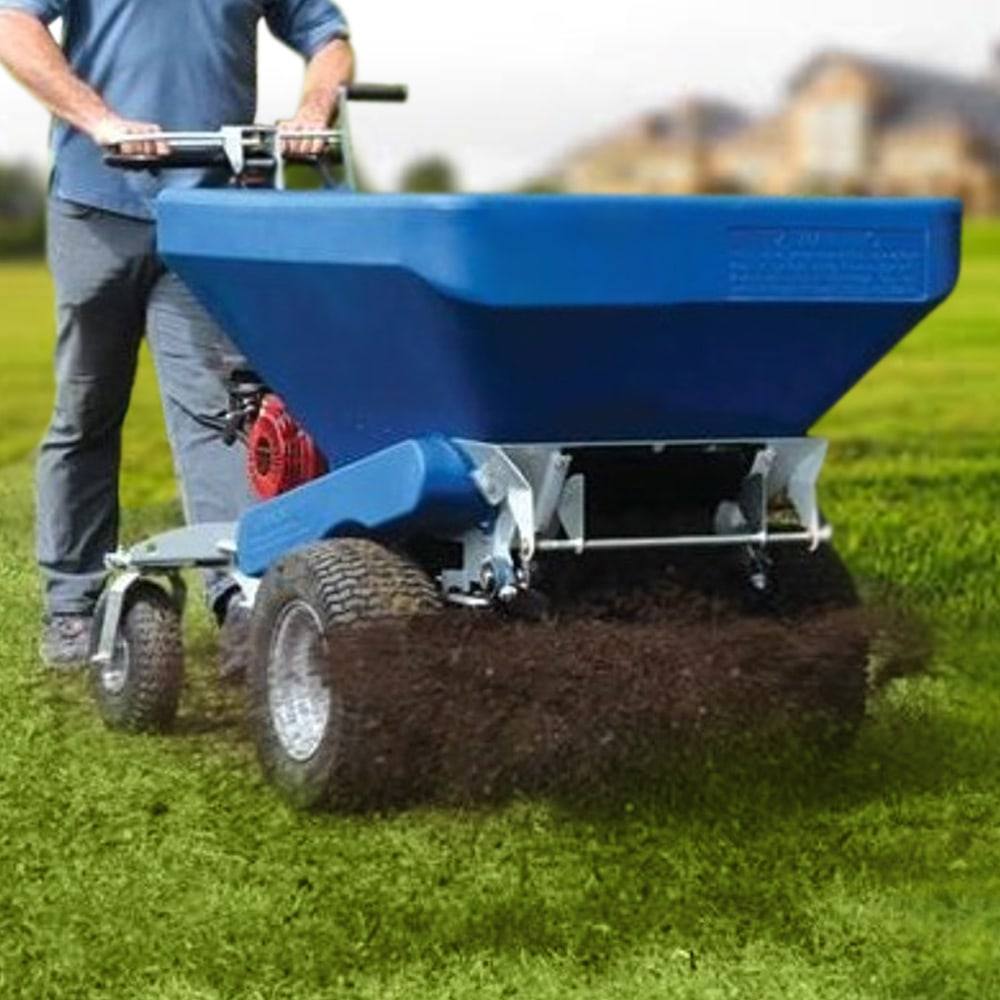
If you’d rather not handle it yourself, our fertilising service can take care of the spreading.
Keeping weeds under control
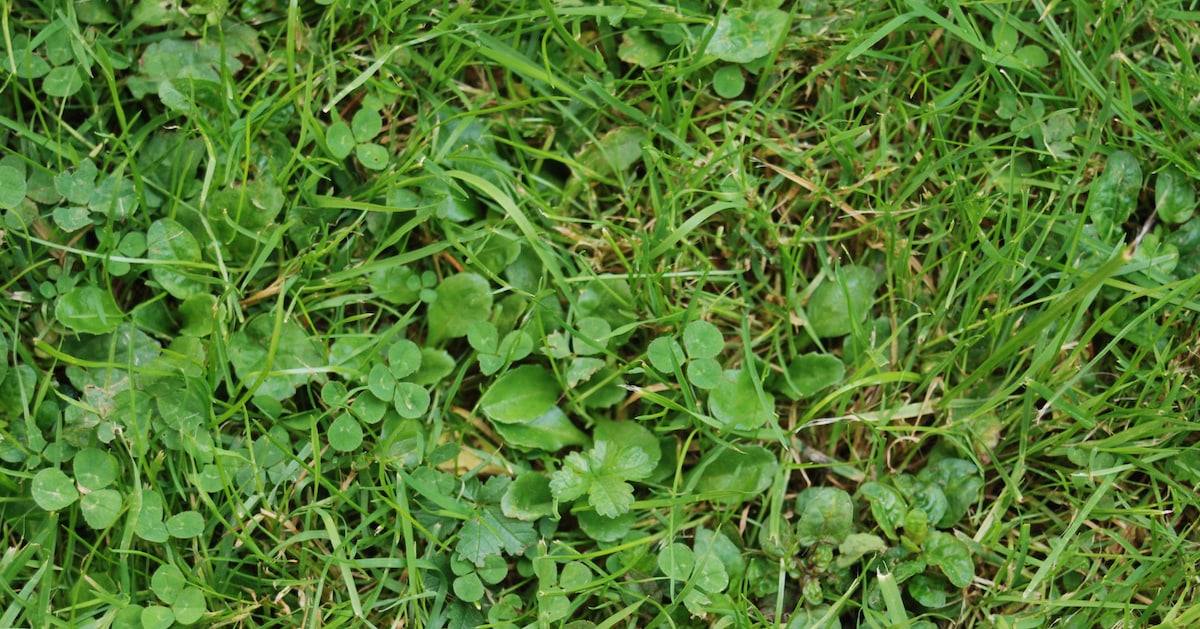
Bare ground is an open invitation to weeds, and some common in South East Queensland, such as fireweed and crofton weed, are a known risk to horses. Most horses leave them alone while there’s plenty of grass, but they’re far more likely to eat them when feed runs short.
Weed control in a paddock is ongoing, not a one-off. New seed blows in, washes in and arrives in hay, so the aim is to keep numbers down and the pasture thick enough to compete. Depending on what’s growing, that means selective spraying across larger areas, spot spraying, or wick wiping, where herbicide is wiped onto tall weeds standing above the pasture so the grass underneath is spared. Correct identification comes first, because the right method depends on the weed. More on our weed control service.
A simple year for a South East Queensland paddock
| Season | What to focus on |
|---|---|
| Spring (Sep to Nov) | Spot spray early weeds, fence off paddocks to rest, aerate once soaking rain softens the ground |
| Summer (Dec to Feb) | Main growing window: aerate, over-seed and fertilise after rain, then rest |
| Autumn (Mar to May) | A last feed while the grass is still growing, weed control, keep rotating |
| Winter (Jun to Aug) | Growth slows, so use the sacrifice yard and hold off heavy work. Late winter: soil test, clear debris, plan rotations and book renovation work |
The weather sets the real timetable, so treat this as a starting point.
When to bring in help
Much of pasture management is down to you: rotating, resting, picking up after the horses and keeping an eye out for weeds. Our short article with four tips to maintain your horse paddock covers the day-to-day side. Where a contractor earns their keep is the heavy work: aerating large areas, seeding and feeding at the right rate, and treating weeds across a whole paddock.
Our horse paddock maintenance service covers acreage within 100 km of Beenleigh, from Jimboomba and Logan Village to Beaudesert, Tamborine and the Gold Coast hinterland. It starts with a free onsite check: we walk the paddock with you, test the ground, tell you what’s holding it back and lay out the work in order, with a firm price before anything starts.